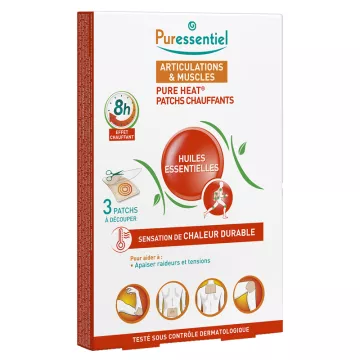
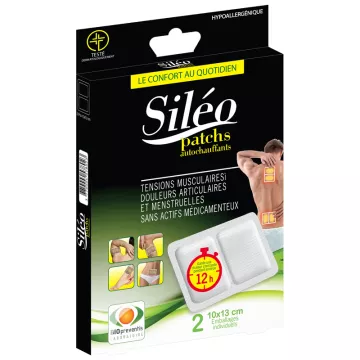
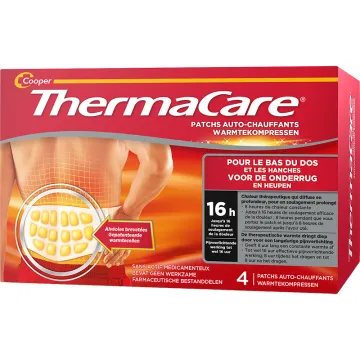
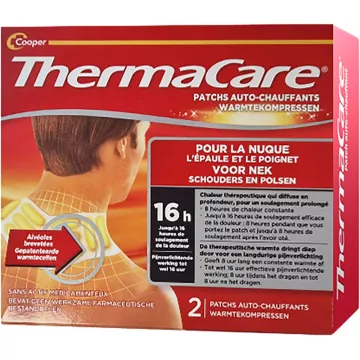
How does a heating patch work, and what kind of heat does it produce?
A heating patch is a therapeutic device that generates heat through a chemical reaction involving the oxidation of iron in the presence of oxygen—without electricity or recharging. This gentle, sustained heat is similar to locally applied thermotherapy. Discover our selection of pain relief patches and heating devices.
- Ingredients: iron powder, salt, activated charcoal, vermiculite, and water—when exposed to air, the iron powder oxidizes and produces a controlled heat of 40–45 °C
- Duration: 8 to 12 hours depending on the formula—even heat throughout the entire duration without dangerous temperature spikes
- Therapeutic mechanism: The heat dilates local blood vessels (vasodilation), improves tissue oxygenation, reduces muscle spasms, and modifies the transmission of pain signals
- Not to be confused with pain relief patches (medicinal active ingredients) or anti-inflammatory patches (transdermal NSAIDs)—the heating patch works exclusively through thermotherapy
For which types of pain and areas of the body should a heating patch be used?
The heating patch is particularly suitable for chronic or recurring muscle and joint pain—it is less effective for acute post-traumatic pain, where cold therapy is the preferred treatment. See also our joint comfort product line.
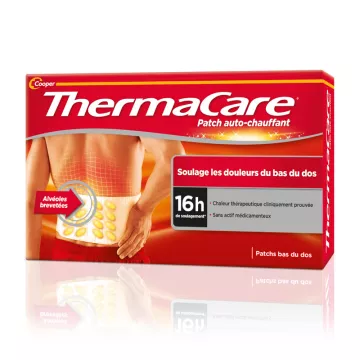
- Chronic low back pain (lumbago): primary indication—a self-adhesive lumbar patch worn directly on the skin under clothing—significant reduction in pain and stiffness documented in several clinical studies
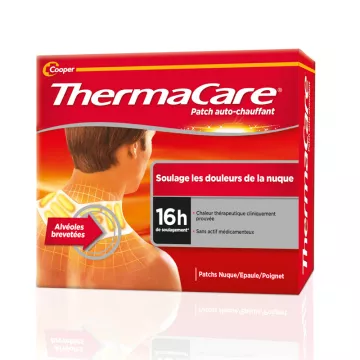
- Neck and trapezius tension: neck/shoulder patch—relief from muscle spasms associated with computer work—see our ergonomics page
- Chronic joint pain (knee and hiposteoarthritis): apply heat before movement to prepare the cartilage and periarticular muscles
- Cramps and muscle soreness: relaxes tight muscles and accelerates the elimination of exercise-induced metabolites
- Menstrual pain: apply to the lower abdomen—effectiveness comparable to ibuprofen in some studies—validated non-pharmacological alternative
What are the contraindications and precautions for use?
The heating patch is safe in the vast majority of cases—however, some situations require special caution.
- Never apply to a recent acute injury (< 48 hours): sprain, contusion, muscle strain — cold therapy is recommended during the acute inflammatory phase (15–20 min, 4–6 times/day) — heat worsens swelling at this stage
- Damaged or irritated skin: burns, eczema, open wounds—absolutely contraindicated
- Diabetes and peripheral neuropathy: reduced skin sensitivity—risk of burns without pain perception—check skin temperature regularly
- Do not use while sleeping — risk of burns from prolonged, unattended contact
- Maximum duration: Do not exceed the specified 8 hours — after that, remove immediately even if still warm
- Pregnancy and circulatory problems: consult a doctor before use
Heating patch vs. heating cream vs. heating pad: what are the differences?
- Heating patch: prolonged heat (8–12 hours), can be worn under clothing, single-use, hands-free—ideal for chronic pain requiring continuous heat while on the go
- Warming cream (capsaicin, methyl salicylate): sensation of heat through stimulation of skin receptors (TRPV1) without an actual rise in temperature — more superficial effect, reapplication required — see our line of pain relievers
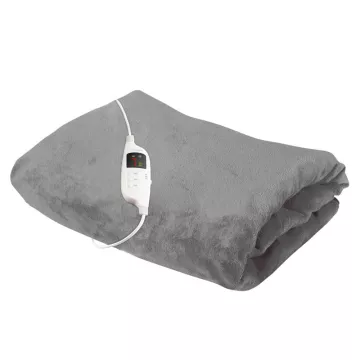
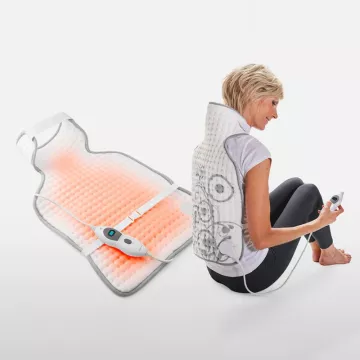
- Heat Pad: reusable, adjustable temperature, for home use — ideal for targeted 20–30-minute sessions — best suited for intense pain requiring higher heat
- Possible combination: heating patch during the day (mobility) + heating pad in the evening (intensive session) — provides coverage throughout the entire painful day
- For post-fracture cases during the healing phase: heat is recommended after the inflammatory phase — consult your doctor regarding the timing