What is an anti-inflammatory patch, and what NSAIDs does it contain?
An anti-inflammatory patch is a transdermal device that delivers nonsteroidal anti-inflammatory drugs (NSAIDs) directly into the subcutaneous and muscle tissues of the target area—without significant systemic absorption. It differs from heating patches (thermotherapy) and pain-relief patches (anesthetics or opioids). Our line of pain-relief products includes solutions tailored to every type of pain.
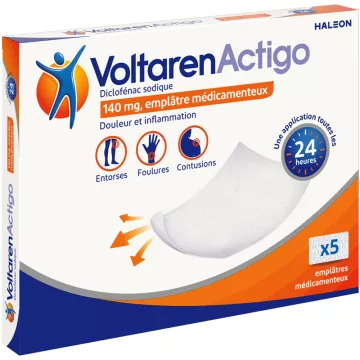
- Transdermal diclofenac: the most commonly used patch—high local concentration in tendons and superficial joints—effectiveness comparable to oral NSAIDs for knee osteoarthritis and mild to moderate tendinitis
- Transdermal ketoprofen: potent anti-inflammatory — rapid absorption through the skin — primary indications: sprains, contusions, tendinitis, bursitis — significant risk of photosensitization
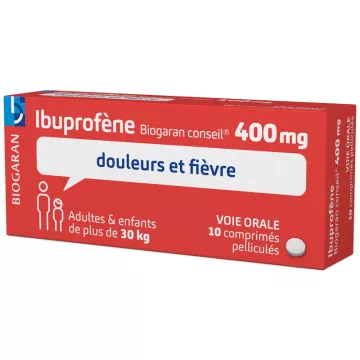
- Topical ibuprofen: anti-inflammatory + local analgesic—available as a gel or patch—can be used in adults and children over 12 years of age with a prescription
- Advantage over oral NSAIDs: systemic plasma concentration 10–20 times lower — significant reduction in gastrointestinal (ulcers, bleeding) and renal side effects
- Available over the counter or by prescription depending on concentration—always read the package insert before use
For which types of pain should an anti-inflammatory patch be used?
Transdermal NSAIDs are indicated for localized and superficial inflammatory pain—their effectiveness decreases for deep structures (hips, vertebrae).
- Sprains and contusions: subacute and recovery phases (not within the first 72 hours, when cold therapy is preferred)—see our pages on sprains and muscle injuries
- Superficial tendinitis: epicondylitis, De Quervain’s tendinitis, patellar tendinitis—apply directly to the painful tendon—see our page on tendinitis
- Superficial osteoarthritis: gonarthrosis (knee), interphalangeal joints (fingers)—penetration into the synovial membrane has been documented for diclofenac
- Post-exercise muscle pain: intense soreness, localized muscle spasms
- Less effective for: deep lower back pain, hip pain, sciatica—the active ingredient does not sufficiently reach deep structures
What are the precautions for use and contraindications?
Transdermal NSAIDs are generally well tolerated but have specific precautions that should be noted.
- Photosensitivity to ketoprofen: major risk—sunburn, blistering rashes when exposed to the sun during application and for up to 2 weeks afterward—cover the treated area and avoid all UV exposure during treatment
- Pregnancy: contraindicated starting in the 6th month (3rd trimester)—NSAIDs may cause premature closure of the ductus arteriosus and fetal renal failure—consult a doctor for the 1st and 2nd trimesters
- Breastfeeding: Medical consultation required—low but possible transfer into breast milk
- Anticoagulants (warfarin, dabigatran): Possible interaction even with topical application—consult a doctor before combining these medications
- Do not apply to broken, burned, infected skin, or skin with active eczema — do not cover with an occlusive bandage (increases systemic absorption)
How to properly use an anti-inflammatory patch?
- Application site: directly on the painful area, on clean, dry skin—avoid skin folds, hairy areas, and areas that have undergone radiation therapy—rotate application sites to prevent local irritation
- Duration: 8–24 hours depending on the formulation — never exceed the recommended duration — do not apply multiple NSAID patches simultaneously
- Combination of oral NSAIDs and NSAID patches: doubles NSAID exposure — increased systemic risk — avoid unless explicitly advised by a healthcare provider
- Removal: Fold the patch in half before disposal—wash hands after handling
- If irritation persists (>24 hours after removal) or an allergic reaction occurs (hives, swelling): stop treatment and consult a doctor