What is a sprain, and how can you tell it apart from a strain or a dislocation?
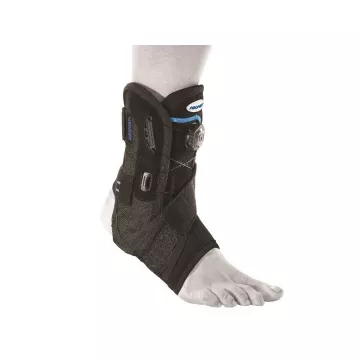
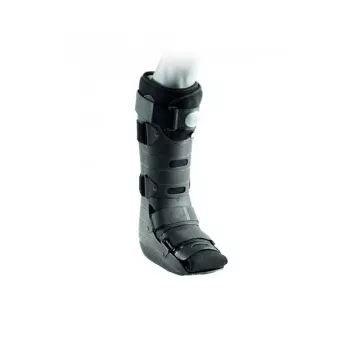
A sprain is a ligament injury caused by excessive joint distortion—it must be clearly distinguished from similar injuries to ensure proper treatment. Our line of sports support products includes ankle braces, knee braces, and support bandages for all these conditions.
- Sprain: ligament injury—pain, swelling, bruising—mobility preserved or reduced depending on the severity—conservative treatment is most common
- Muscle strain (muscle elongation): injury to muscles or tendons—pain upon contraction—see our pages on muscle strains and tears
- Dislocation: bone displaced out of the joint—visible deformity, severe pain, total loss of function—medical emergency—reduction must be performed only by a professional
- Associated fracture: Must be systematically ruled out after a severe sprain—X-ray recommended if there is pain on bone palpation or inability to bear weight (Ottawa criteria)
- Severe sprain with instability: MRI to assess the tear and determine the need for surgery—see our page on ligament pain
How should a sprain be treated in an emergency and within the first 72 hours?
Immediate management determines the speed of recovery — two protocols coexist, with the most recent one gradually replacing the classic RICE protocol.
- POLICE protocol (recommended): Protection + Optimal Loading (gentle weight-bearing starting on Day 2) + Ice + Compression + Elevation — “optimal loading” replaces “strict rest” because gentle early mobilization improves the quality of ligament healing
- Ice: 15–20 minutes every 2–3 hours for 48 hours—never applied directly to the skin—immediately reduces swelling and pain
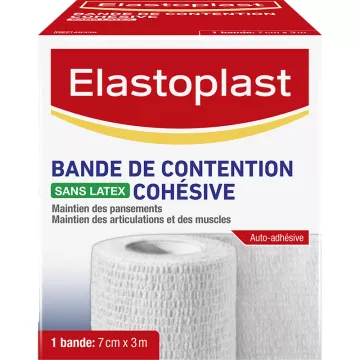
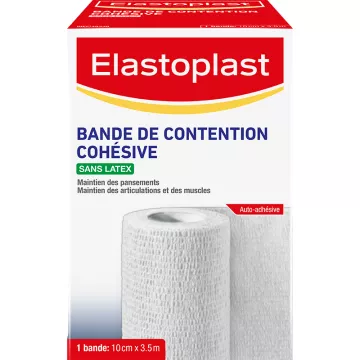
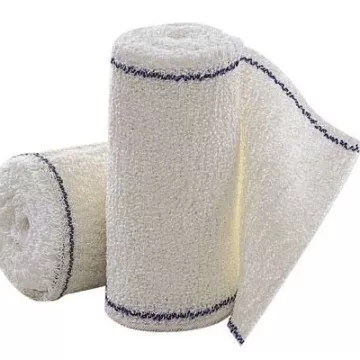
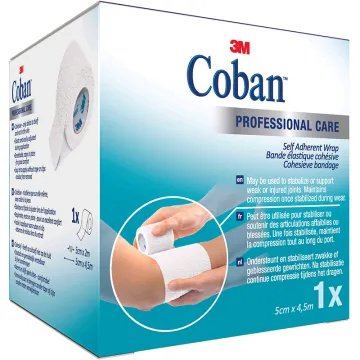
- Compression: Figure-8 elastic bandage for the ankle — reduces bruising and stabilizes the joint
- Do not use heat during the first 48 hours: heat worsens swelling during the acute inflammatory phase — heat (heating pad) is only beneficial starting on day 3, to relax compensatory muscles
- Ottawa Criteria: Go to the emergency room if there is pain upon palpation of the distal fibula, navicular bone, or fifth metatarsal—or if you are unable to take four steps on your own
What natural supplements support ligament healing after a sprain?
Ligament healing is slow (ligaments have poor blood supply)—targeted supplementation accelerates the synthesis of new ligament collagen. Find these formulas in our joint collagen line.
- Hydrolyzed marine collagen + vitamin C: the most well-documented combination for ligament synthesis—take 30–60 minutes before physical therapy—increases collagen synthesis by up to 2x according to studies
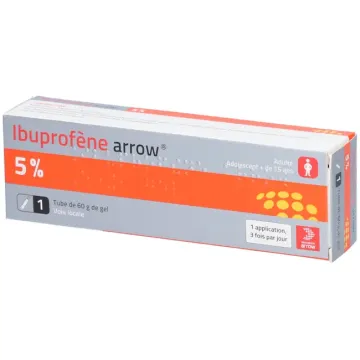
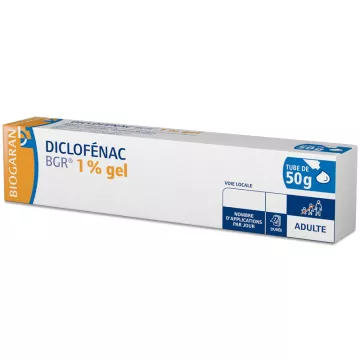
- Omega-3 (EPA/DHA): reduce scar fibrosis — promote a more flexible and resilient scarred ligament — do not replace with NSAIDs during the first 72 hours
- Zinc: 10–15 mg/day — a cofactor for metalloproteinases involved in ligament remodeling — often deficient following intense sports injuries
- Vitamin E: an antioxidant that protects ligament cells from post-traumatic oxidative stress — 200–400 IU/day
- Magnesium: reduces compensatory muscle spasms around the sprain — 300–400 mg/day
Rehabilitation, PRP, and Prevention of Recurrent Sprains
- Rehabilitation phases: Days 1–5 (protection + pain-free mobilization) → Days 5–21 (progressive muscle strengthening) → Day 21–return to sports (proprioception, sport-specific movements, sprints)
- Proprioception: essential for preventing recurrence — Freeman board, balance discs, single-leg exercises — 50–70% reduction in the risk of recurrence in sports studies
- PRP (platelet-rich plasma): injection of autologous growth factors — accelerates ligament healing — an option recommended by some sports medicine physicians before surgery or for high-grade sprains
- Ankle brace or knee brace: recommended for use during return to sports for 3–6 months — our line of sports braces
- Return to sports: no pain + strength ≥ 90% + stability on one leg for 10 seconds + pain-free running and pivoting—never a fixed date alone