When should you use Urgo Diclofenac 1% Gel to relieve pain caused by an injury?
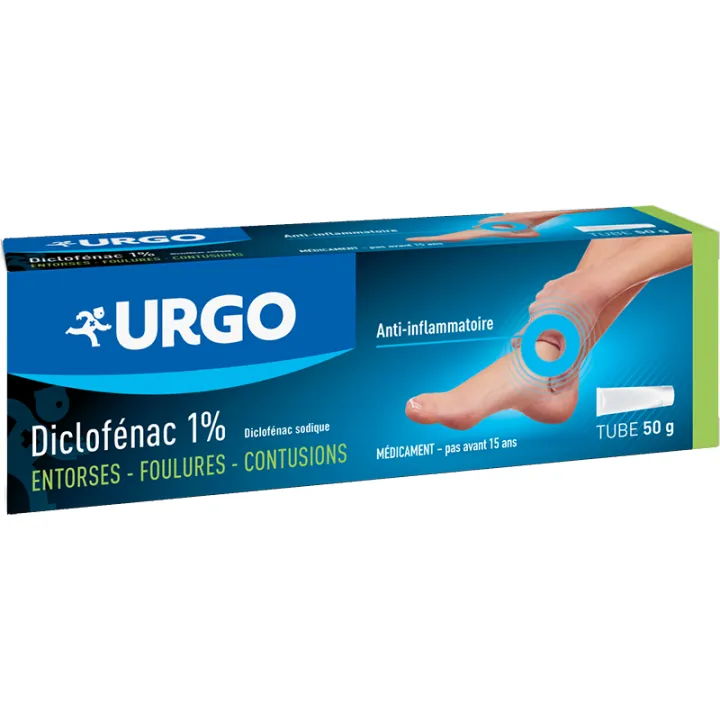
Did you twist your ankle stepping off a curb? Are you experiencing pain after an impact or a sudden, awkward movement? Urgo Diclofenac 1% Gel for Sprains, Strains, and Bruises is indicated for the short-term, topical treatment of minor injuries such as sprains, strains, or bruises. It is intended for adults and adolescents over 15 years of age.
Its active ingredient, diclofenac sodium, belongs to the family of nonsteroidal anti-inflammatory drugs (NSAIDs). Applied directly to the skin, it acts at the source of the pain. Think of inflammation as a small, localized fire in the tissues: diclofenac works to calm this excessive reaction, thereby relieving pain and reducing swelling.
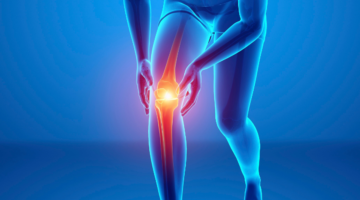
When used topically, the action remains targeted. The product penetrates through the skin into the underlying tissues. It helps reduce inflammation and relieve pain without being widely distributed through the systemic circulation. This provides you with localized treatment, ideal for joint or muscle pain resulting from a recent injury.
When used at the first signs of pain, this gel helps promote daily comfort by quickly reducing the intensity of pain and the feeling of discomfort. Simple actions, such as putting your foot on the ground, bending a joint, or performing a routine movement, gradually become easier and less restrictive. This helps you regain some ease of movement, which in turn helps you maintain an appropriate level of activity without overtaxing the affected area.
This treatment does not address the mechanical cause of the injury, but it effectively supports the body during the initial inflammatory phase. By calming this excessive reaction, it creates conditions more conducive to natural tissue recovery, while allowing you to better tolerate the stresses of daily life.
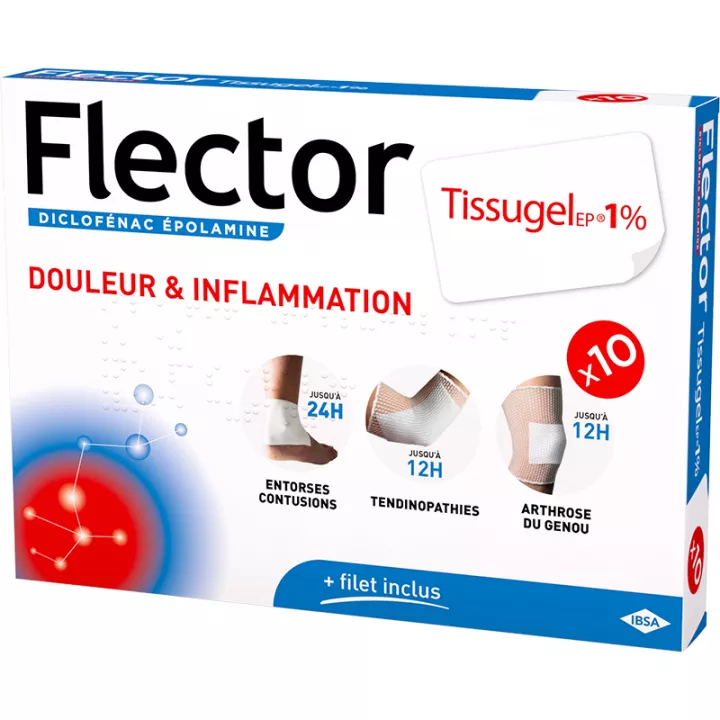
For complementary and prolonged relief, you can combine this treatment with Urgo Diclofenac 140 mg (5 patches), which continuously release the active ingredient onto the painful area and thus enhance the local pain-relieving effect.
How should you use this topical anti-inflammatory gel?
Apply the gel 3 times a day directly to the painful area, then massage gently and thoroughly to ensure the active ingredient penetrates well.
If there is no improvement or if symptoms worsen after four days of use, consult your doctor.
Share your feedback on the usage instructions and dosage for Urgo Diclofenac 1% Gel for Sprains, Strains, and Bruises with our partner Verified Reviews after your purchase.
Precautions
Urgo Diclofenac Gel must never be used:
- In children and adolescents under 15 years of age
- If you are allergic to the active ingredient or any of the other ingredients
- During pregnancy from the beginning of the 6th month onward (after 24 weeks of amenorrhea)
- If there is a history of allergy triggered by a medication containing diclofenac, acetylsalicylic acid, or other NSAIDs
- On broken skin (eczema, weeping skin condition, wound, burn, infected lesion)
What are the ingredients in this gel for relieving localized pain?
Ingredients:
Diclofenac Diethylamine 1.16 g (equivalent to 1.00 g of Diclofenac Sodium) per 100 g of gel, Isopropyl Alcohol, Propylene Glycol, Cocoyl Caprylocaprate, Liquid Paraffin, Macrogol 1000 Monocetyl Ether, Carbomer 974 P, Diethylamine, Lavender Essential Oil, Purified Water.
Packaging:
Gel in a 50-g tube. Available at the best price in our online pharmacy.
Our expert advice on Urgo Diclofenac 1% Gel for Sprains, Strains, and Bruises
In case of a sprain or bruise, always combine local treatment with simple measures: rest the joint, apply cold in the first few hours, and, if necessary, use appropriate support. Apply the gel to clean, dry skin, then wash your hands thoroughly after use. Avoid exposing the treated area to sunlight while using this product.
FAQ
Can this gel be used for chronic pain?
This medication is indicated for recent minor injuries. In cases of chronic or persistent pain, medical advice is necessary to identify the cause.
How long can it be used?
Treatment should be short-term. If there is no improvement after 4 days or if the pain worsens, consult your doctor.
Can it be applied under a bandage?
Avoid using occlusive bandages without medical advice. The skin must be able to breathe to minimize the risk of local side effects.