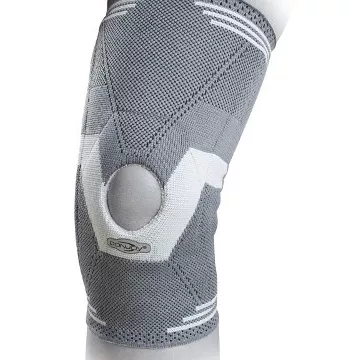

Knee pain results from a variety of mechanisms, which are often intertwined.Osteoarthritis is the most common cause in adults: the gradual breakdown of joint cartilage leads to pain, morning stiffness, and reduced range of motion. Tendinitis is more common among athletes and is caused by inflammation of the periarticular tendons due to overuse. Ligament injuries—such as a tear of the ACL or PCL following trauma—result in acute pain and instability. Finally, bursitis—inflammation of the bursae—causes marked tenderness around the joint, often aggravated by pressure.
Prevention is based on a few fundamental principles. Maintaining a healthy weight limits the load placed on the cartilage with each step. Regular strengthening of the quadriceps and hamstrings stabilizes the joint and reduces mechanical stress. A thorough warm-up before any physical activity prepares the tendons and ligaments for exercise. Finally, choosing shoes that offer good cushioning and adequate lateral support reduces stress on the joints while walking or running.
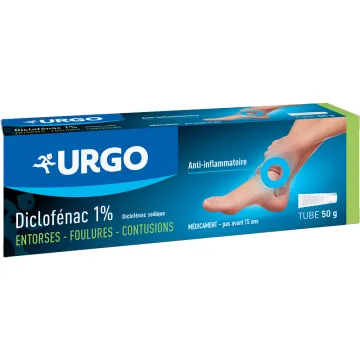
Treatment is tailored to the cause and severity of the condition. Nonsteroidal anti-inflammatory drugs (NSAIDs) reduce inflammation and pain in the short term, always under medical supervision. Physical therapy strengthens the stabilizing muscles and improves mobility through targeted exercises. Intra-articular injections of corticosteroids or hyaluronic acid provide long-lasting relief for moderate cases of osteoarthritis. Surgery—arthroscopy or knee replacement—is reserved for cases that do not respond to conservative treatments.
Certain signs require immediate medical attention. An inability to put weight on the knee, visible deformity of the joint, or locking during movement require immediate medical evaluation. Pain accompanied by a fever may indicate a joint infection, which is a medical emergency. Persistent instability, even without an identified injury, also warrants a clinical evaluation to rule out a progressive ligament injury.
Arthritis refers to joint inflammation that can occur at any age, often of autoimmune or infectious origin, and is characterized by swelling, warmth, and pain.Osteoarthritis is a degenerative condition specific to cartilage wear and tear, more common after age 50, characterized by mechanical pain that intensifies with activity and subsides with rest. These two conditions can coexist, which sometimes complicates diagnosis without laboratory and radiological testing.
Low-impact activities preserve cartilage while maintaining mobility and muscle strength. Regular walking helps maintain joint lubrication without overloading the knee. Swimming and water aerobics engage the lower limbs without the strain of gravity. Cycling—indoors or outdoors—strengthens the quadriceps and promotes joint range of motion. Targeted stretching and strengthening exercises, prescribed by a physical therapist, effectively complement this program by reducing the risk of recurrence.
Every extra kilogram translates to increased pressure on the knee with every step. This excess weight accelerates cartilage wear, promotes the early onset of osteoarthritis, and increases the risk of tendon and ligament injuries. The low-grade inflammation associated with excess body fat also amplifies joint pain. Losing even a few kilograms is enough to significantly reduce pressure on the knees and slow the progression of damage.
Several dietary supplements are attracting growing scientific interest for their benefits to joint health. Glucosamine supports cartilage regeneration and reduces joint stiffness, according to some studies. Turmeric, thanks to its curcumin, has an anti-inflammatory effect recognized by the EFSA for contributing to joint comfort. Omega-3s, found in fish oils, help limit systemic inflammation that exacerbates pain. Medical advice is essential before starting any supplementation, especially if you are currently undergoing treatment.
Poor posture creates imbalances in the distribution of joint stress, overloading certain parts of the knee at the expense of others. Sitting for too long in a poor position, keeping the knees bent for extended periods, or walking with an uneven gait increases mechanical stress on the cartilage and tendons. Properly adjusting your seat height, stretching regularly, and correcting postural imbalances with the help of a physical therapist are simple steps that can have a significant preventive impact.