What is tendinitis, and how does it differ from tendinosis?
Tendinitis is an inflammation of a tendon—but in clinical practice, the majority of chronic tendinopathies are tendinosis (degeneration of tendon collagen without acute inflammation), not true tendinitis. This distinction directly guides treatment. Our sports wellness and joint collagen line offers the appropriate active ingredients.
- Acute tendinitis: true inflammation—pain + heat + swelling—inflammatory phase lasting a few days—cold + rest + NSAIDs (use with caution)
- Chronic tendinosis: degeneration of collagen fibers without inflammation — “cotton-like” appearance on MRI or ultrasound — NSAIDs are not very effective — eccentric strengthening is the standard of care
- Tendon rupture: partial or complete tear—often preceded by untreated tendinosis—medical emergency if complete rupture (Achilles tendon, rotator cuff)
- Contributing factors: repetitive overuse, poor sports technique, muscle imbalance, fluoroquinolones, diabetes, rheumatic diseases (rheumatoid arthritis)
Tendinitis by Location: Specific Characteristics and Treatment Approaches
Each location of tendinitis has its own mechanical characteristics and targeted treatments—in addition to the natural active ingredients in our joint comfort line.
- Rotator cuff (shoulder): repetitive overhead arm movements (swimmers, painters, tennis players) — eccentric strengthening of the external rotators + scapular exercises
- Lateral epicondylitis (tennis elbow): overuse of the wrist extensors—pain on palpation of the lateral epicondyle—eccentric strengthening of the wrist + shockwave therapy
- De Quervain’s tenosynovitis: inflammation of the tendon sheaths of the long abductor and short extensor tendons of the thumb — pain at the base of the thumb worsened by pinching — splint + local corticosteroid
- Achilles tendinitis: most common among runners — pain upon waking in the morning + on palpation of the tendon shaft or calcaneal insertion — Alfredson’s eccentric exercise program (12 weeks)
- Patellar tendinitis (jumper’s knee): see our page on patellar injuries
What natural supplements are available for tendinitis and tendinosis?
Natural anti-inflammatory and tendon-supporting ingredients provide effective complementary support—consult your doctor if you are taking other medications.
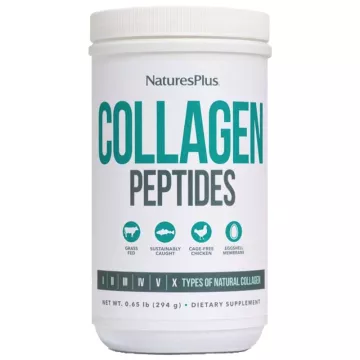
- Hydrolyzed marine collagen + vitamin C: take 30–60 minutes before physical therapy—increases tendon collagen synthesis by up to 2x—particularly effective for chronic tendinosis (collagen degeneration)
- Turmeric (curcumin): a natural anti-inflammatory — inhibits the COX-2 pathways involved in the acute inflammatory phase — a bioavailable formula is essential
- Omega-3 (EPA/DHA): reduces tendon neuroinflammation — promotes flexible healing without excessive fibrosis
- Magnesium: reduces muscle spasms that increase tension on the tendon — 300–400 mg/day
- Organic silicon: supports tendon collagen synthesis — complements marine collagen
Fluoroquinolones and the risk of tendinitis: special caution required
- Fluoroquinolones (ciprofloxacin, levofloxacin, ofloxacin): antibiotics associated with a fourfold increased risk of tendinitis and tendon rupture—primarily the Achilles tendon, but also the rotator cuff and hand
- Mechanism: inhibition of tenosynovial collagen synthesis + mitochondrial toxicity in tenocytes
- Aggravating risk factors: age > 60 years, concomitant corticosteroid therapy, renal insufficiency, kidney transplant
- Action to take if tendinitis occurs during fluoroquinolone therapy: immediate discontinuation + contact the physician—do not continue sports activities—risk of rupture in the weeks following discontinuation if tendinosis has already developed
- Report to pharmacovigilance — any tendinitis occurring during or within 3 months following treatment with a fluoroquinolone must be reported