What is joint comfort, and how can you maintain it on a daily basis?
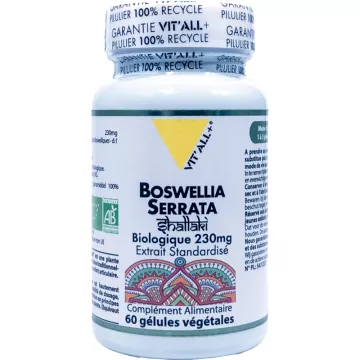
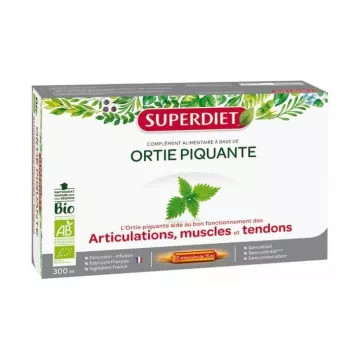
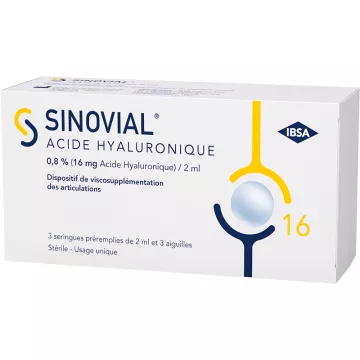
Joint comfort refers to the ability to perform your usual movements without pain, stiffness, or limitation—a balance that is achieved through both lifestyle habits and targeted supplementation. Our joint pain product line organizes available solutions by active ingredient and by condition.
- Cartilage and synovial fluid: Cartilage has no blood supply of its own—it is nourished by absorbing synovial fluid during movement—prolonged inactivity accelerates its breakdown
- Factors contributing to degradation: excess weight, a sedentary lifestyle, repeated trauma, chronic inflammation, and aging—often occurring in combination
- Protective factors: regular, age-appropriate physical activity, maintaining a healthy weight, an anti-inflammatory diet, and targeted supplementation
- For specific conditions (osteoarthritis, inflammatory rheumatism), see our pages on osteoarthritis and joint pain
Which supplements support long-term joint health?
Joint supplements act on distinct mechanisms—combining them wisely allows for a more comprehensive synergistic effect.
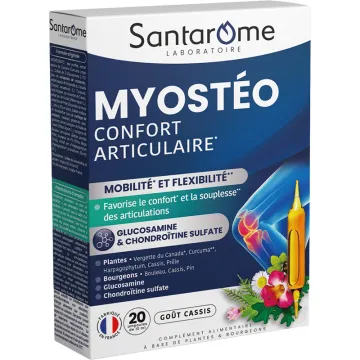
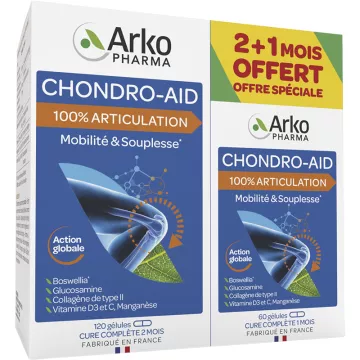
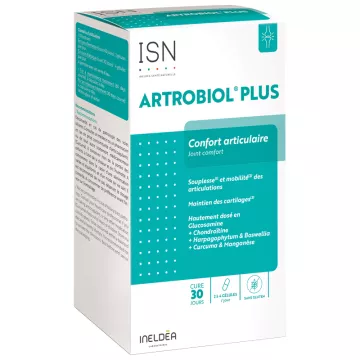
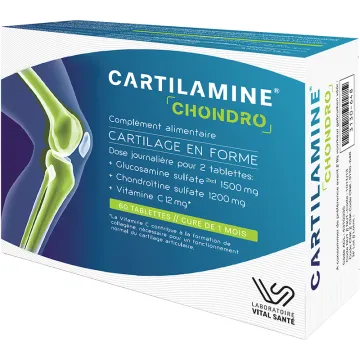
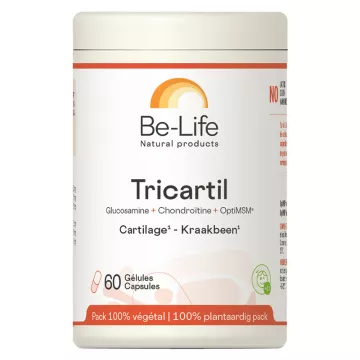
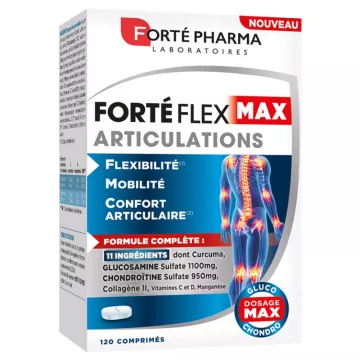
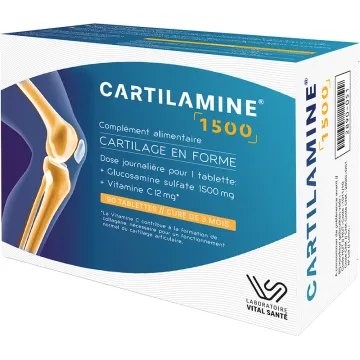
- Glucosamine: stimulates the synthesis of cartilage proteoglycans—at least 1,500 mg/day—a course of at least 3 months is needed to assess effectiveness—benefits documented in mild to moderate osteoarthritis
- Chondroitin: inhibits enzymes that break down cartilage and retains water in the cartilage matrix—often combined with glucosamine—see our chondroitin line
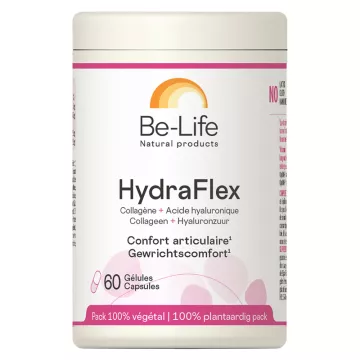
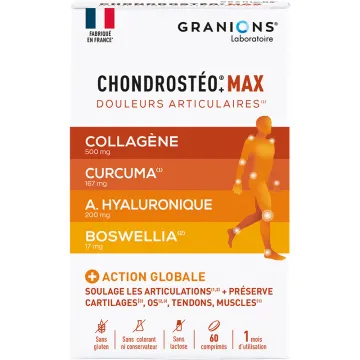
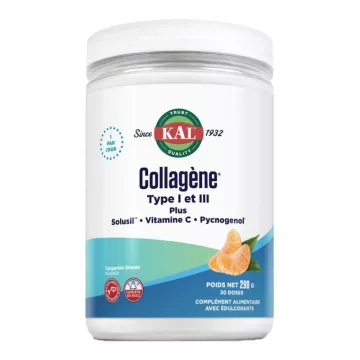
- Hydrolyzed marine collagen: peptides that stimulate chondrocytes and provide precursor amino acids (glycine, proline) — take on an empty stomach to optimize absorption — joint collagen line
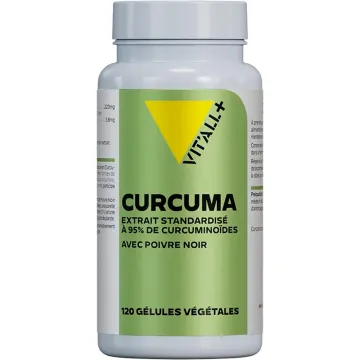
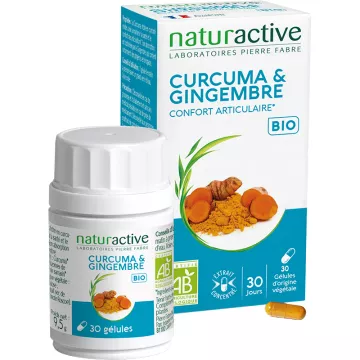
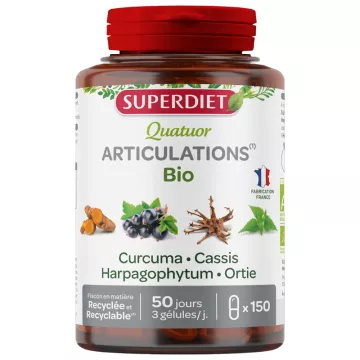
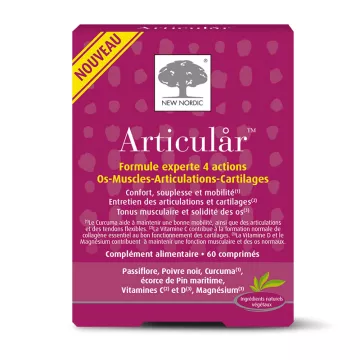
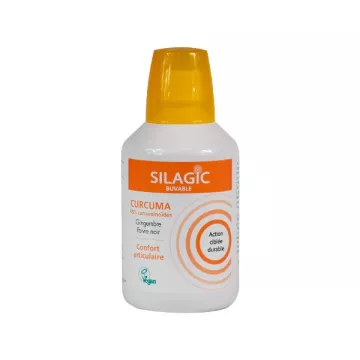
- Turmeric (curcumin): modulates inflammatory pathways (NF-kB, COX-2)—a formula with piperine or a liposomal formulation is essential for bioavailability
- Omega-3 (EPA/DHA): reduce the production of pro-inflammatory mediators — documented benefits for joints in inflammatory conditions
Thermotherapy and cryotherapy: when to use heat or cold?
Heat and cold have opposite effects on the joints — confusing the two can worsen symptoms rather than relieve them.
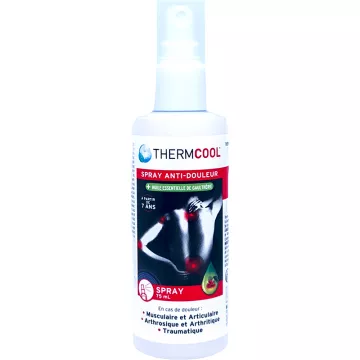
- Heat (thermotherapy): relaxes periarticular muscles, improves local circulation, and reduces stiffness — recommended for chronic pain, morning stiffness, and muscle spasms — hot compresses, hot baths, heating pads — avoid using on a hot, swollen joint (acute inflammation)
- Cold (cryotherapy): constricts blood vessels, reduces swelling and acute inflammation — recommended within 24–48 hours after an injury or inflammatory flare-up — ice cubes wrapped in a cloth, 15–20 minutes maximum — never apply ice directly to the skin
- Alternating hot and cold: used in rehabilitation to stimulate local microcirculation—should be performed under the supervision of a physical therapist
Posture, weight, and hydration: the fundamental factors for joint health?
Supplements are most effective when combined with a lifestyle already optimized by healthy habits—three often-overlooked factors in managing musculoskeletal comfort.
- Body weight: Every excess kilogram exerts 3 to 5 times more pressure on the knees and hips when walking—weight loss is the most effective intervention for knee osteoarthritis (HAS data)
- Posture: Yoga, Pilates, and core strengthening distribute mechanical stress evenly—excessive thoracic kyphosis or lumbar lordosis consistently overloads certain joints
- Hydration: Cartilage contains 65–80% water—insufficient hydration reduces its resistance to compression—at least 1.5 to 2 L of water per day, and more during physical activity
- Sleep: Anti-inflammatory cytokines are primarily produced during deep sleep—sleep deprivation exacerbates chronic joint inflammation