What is ligament pain, and what are the main types of ligament injuries?
Ligament pain originates in the ligaments—bands of dense connective tissue composed of type I collagen that stabilize the joints. Ligaments tear due to sudden twisting or excessive joint distortion—a mechanism different from the muscle injuries covered in our pages on muscle strains and pulls. Discover our ingredients for ligament health in our sports wellness line.
- Grade 1 sprain: stretching without a macroscopic tear—moderate pain, stability maintained—recovery 1–2 weeks
- Grade 2 sprain: partial tear—moderate joint instability, hematoma—recovery 3–6 weeks
- Grade 3 complete rupture: total tear—severe instability, drawer sign or positive valgus—knee ligaments (ACL, MCL), ankle, wrist—surgery often required
- Most common sites: ankle (lateral collateral ligament—85% of sprains), knee (ACL, PCL), wrist (scaphoid), fingers (ball sports)
- Diagnosis: Ligament MRI is the gold standard for quantifying the injury and guiding surgical decisions
What supplements can support ligament health and recovery?
Ligaments have poor blood supply—they heal more slowly than muscles, and their nutrition depends on targeted supplementation. Discover the formulas in our joint collagen line.
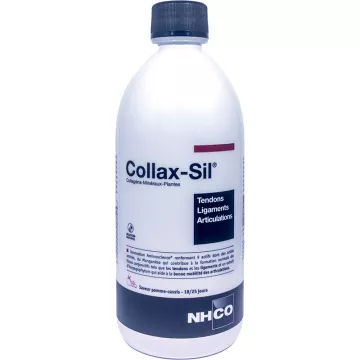
- Hydrolyzed marine collagen: directly provides the amino acids (glycine, proline, hydroxyproline) found in type I collagen—the structural component of ligaments—to be taken 30–60 minutes before rehabilitation to maximize ligament synthesis
- Vitamin C: an essential cofactor for collagen hydroxylation—without it, collagen fibers are fragile and lack strength—500–1,000 mg/day as a course of treatment
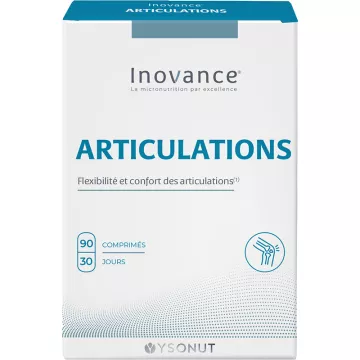
- Glucosamine + chondroitin: structural support for joint connective tissues—ligament collagen and cartilage matrix— Joint Comfort line
- Omega-3 (EPA/DHA): reduce peri-ligamentary inflammation and scar fibrosis that stiffens the ligament — promote flexible healing
- Magnesium: reduces compensatory muscle spasms that overload weakened ligaments — 300–400 mg/day
Severe Sprain and Ligament Reconstruction: When to Operate?
The decision to operate is based on the severity of the injury, the patient’s athletic profile, and residual instability — supplements support recovery before and after surgery.
- Knee sprain with ACL tear: conservative treatment is possible for non-athletes — reconstruction via ligamentoplasty (patellar or hamstring tendon graft) is recommended for active athletes — ideal timing: 6–8 weeks after the injury to allow the swelling to subside
- MCL tear: rarely treated surgically—conservative treatment + brace + physical therapy—recovery 6–12 weeks
- Recurrent severe ankle sprain: Broström ligamentoplasty if chronic instability persists after properly conducted proprioceptive rehabilitation
- Modern techniques: arthroscopy, synthetic grafts, PRP (platelet-rich plasma) to stimulate healing — continuous improvement in functional outcomes
- Collagen + vitamin C as a 3-month course before and after ligament surgery: documented support for postoperative collagen synthesis
Prevention and proprioceptive rehabilitation of ligament injuries
- Proprioception: balance and coordination training — a 50–70% reduction in the risk of ankle sprains in studies — Freeman balance board, balance discs, single-leg exercises — to be incorporated into any program for preventing recurrences
- Periarticular muscle strengthening: quadriceps, hamstrings, and hip stabilizers for the knee—peroneal and tibialis anterior muscles for the ankle—strong muscles partially compensate for less resistant scar tissue in ligaments
- Appropriate shoes and insoles: supportive insoles with pronation control — reduce stress on the ankle and knee ligaments
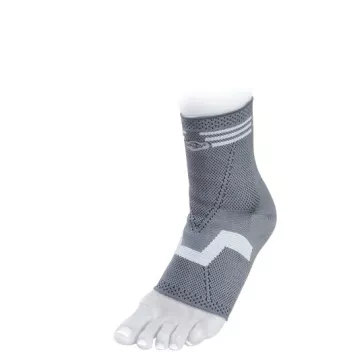
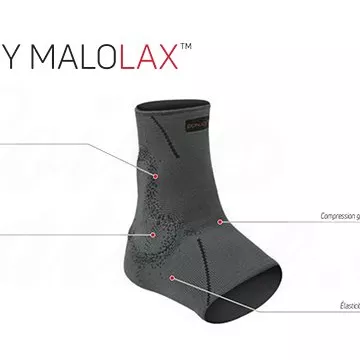
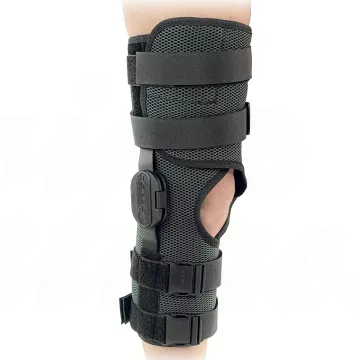
- Our line of sports braces: ankle braces, knee braces, and taping — ligament support during the return-to-sport phase
- Criteria for returning to sports: joint stability on examination + muscle strength ≥ 90% on the healthy side + pain-free jump and pivot tests