What is ibuprofen, and how does it differ from other NSAIDs?
Ibuprofen is a nonsteroidal anti-inflammatory drug (NSAID) that reversibly inhibits COX-1 and COX-2—unlike aspirin (irreversible inhibition, long-lasting antiplatelet effect) and selective COX-2 NSAIDs (celecoxib, fewer gastrointestinal side effects). Our line of pain relievers and natural anti-inflammatory alternatives complement medication-based treatments.
- Triple action: analgesic + anti-inflammatory + antipyretic—but no long-lasting (reversible) antiplatelet effect—therefore preferred if pain relief alone is needed without affecting coagulation
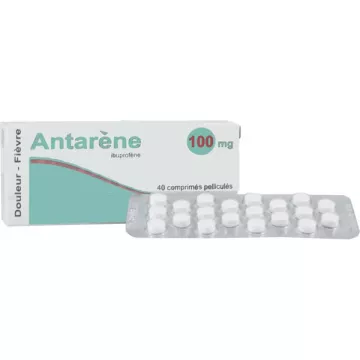
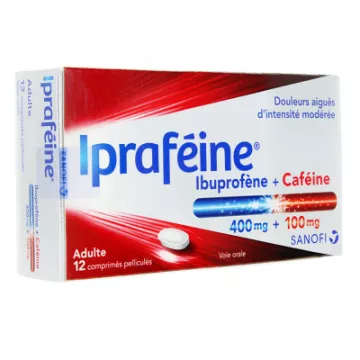
- Availability: over-the-counter in 200–400 mg doses (Advil®, Nurofen®, generics)—prescription required for higher doses (600–800 mg)—available as tablets, capsules, syrup, suppositories, gel, and ointment
- Recommended duration for self-medication: 3 days for fever, 5 days for pain—beyond that, medical advice is essential
- Ibuprofen vs. acetaminophen: ibuprofen is indicated if there is an inflammatory component (sprain, tendinitis, sinusitis)—acetaminophen is preferred if there is a risk of gastrointestinal, renal, or cardiovascular complications
- Ibuprofen vs. aspirin: better gastrointestinal profile with short-term use, but no antiplatelet effect—do not combine aspirin and ibuprofen (antagonism of aspirin’s effect on platelets)
What are the main indications for ibuprofen?
Ibuprofen covers a broad spectrum of inflammatory and pain-related indications—with specific uses for each condition.
- Muscle and joint pain: muscle soreness, sprains, tendinitis, bruises—as a topical gel or orally depending on severity—see our line of anti-inflammatory patches for topical use
- Menstrual pain (dysmenorrhea): reduces uterine spasms by inhibiting endometrial prostaglandins—can be taken 24–48 hours before the onset of pain for preventive relief — 200–400 mg every 6–8 hours
- Fever: effective and fast-acting—an alternative to acetaminophen or used in rotation—pediatric dose: 5–10 mg/kg per dose, starting at 3 months of age
- ENT pain: sore throats, sinusitis, ear infections — reduces local inflammation + provides pain relief — always assess the need for concomitant antibiotic therapy
- Chronic inflammatory diseases (osteoarthritis, polyarthritis): effective during flare-ups — do not use as continuous maintenance therapy without medical supervision
Contraindications, Precautions, and Risks to Be Aware Of
NSAIDs such as ibuprofen have significant contraindications—check these before use.
- Pregnancy: contraindicated after the 6th month (premature closure of the ductus arteriosus, fetal renal failure)—not recommended during the first trimester—acetaminophen remains the drug of choice during pregnancy
- History of peptic ulcer: risk of reactivation—take with food and use gastric protection (PPI) if prolonged use is necessary
- Renal insufficiency: NSAIDs reduce renal blood flow — contraindicated if GFR < 30 mL/min — adequate hydration is essential
- Cardiovascular risk: prolonged use (> 3 months) increases the risk of heart attack and stroke — avoid if there is a history of cardiovascular disease or uncontrolled hypertension
- Chickenpox: Combining ibuprofen with chickenpox → risk of necrotizing fasciitis (a severe skin infection)—paracetamol alone is recommended for chickenpox in children
Natural Alternatives to Ibuprofen and When to Seek Medical Advice?
- Turmeric (curcumin): inhibits COX-2 and NF-kB — effectiveness comparable to certain NSAIDs for osteoarthritic pain — bioavailable formulation (with piperine or liposomal) — no risk to the stomach or kidneys
- Omega-3 (EPA/DHA): reduces pro-inflammatory prostaglandins — beneficial for dysmenorrhea and chronic joint pain — a natural alternative to NSAIDs for mild cases
- Topical ibuprofen (gel, ointment): systemic absorption 10–20 times lower than oral forms — for localized superficial muscle and joint pain — see our line of anti-inflammatory patches
- Seek medical attention if: pain persists for more than 5 days despite ibuprofen use, fever > 38.5°C that does not subside, chest pain or shortness of breath, blood in the stool (ulcer)
- In case of overdose (nausea, tinnitus, confusion): call 15 immediately