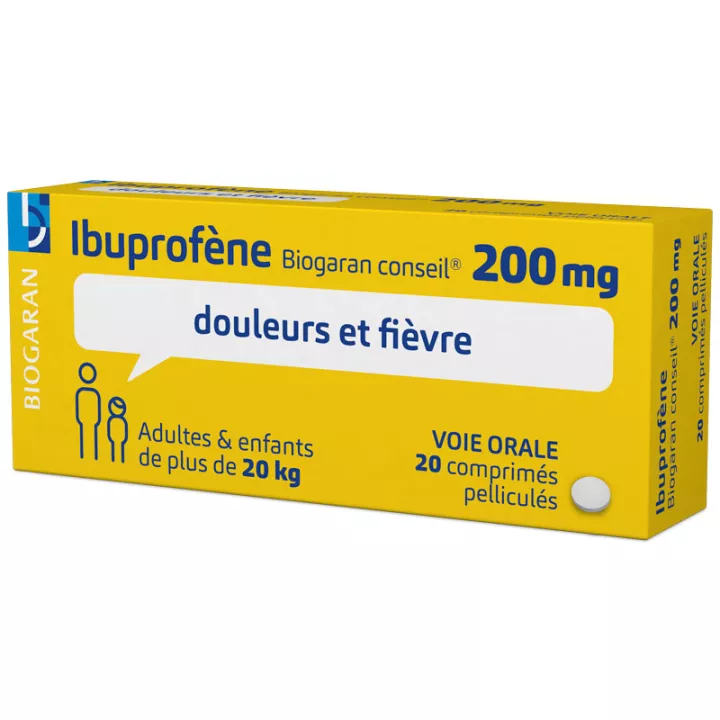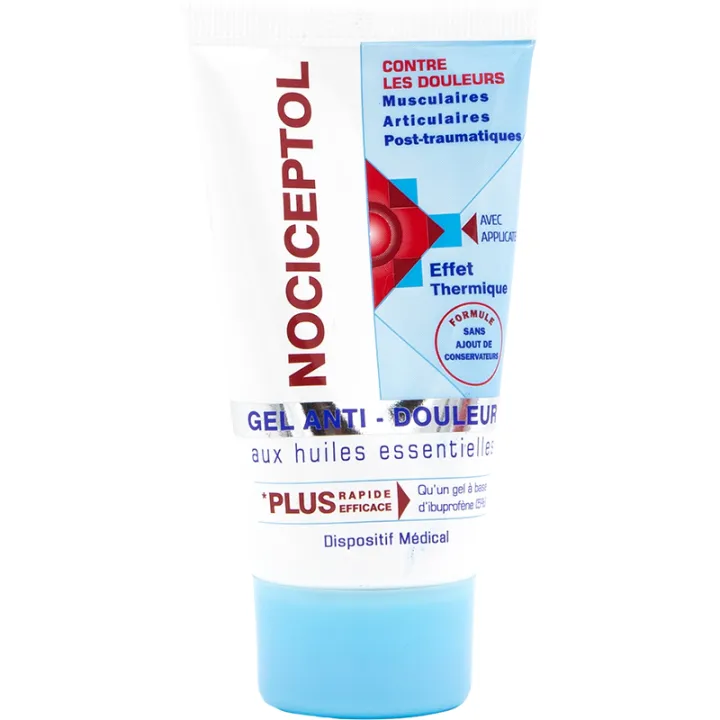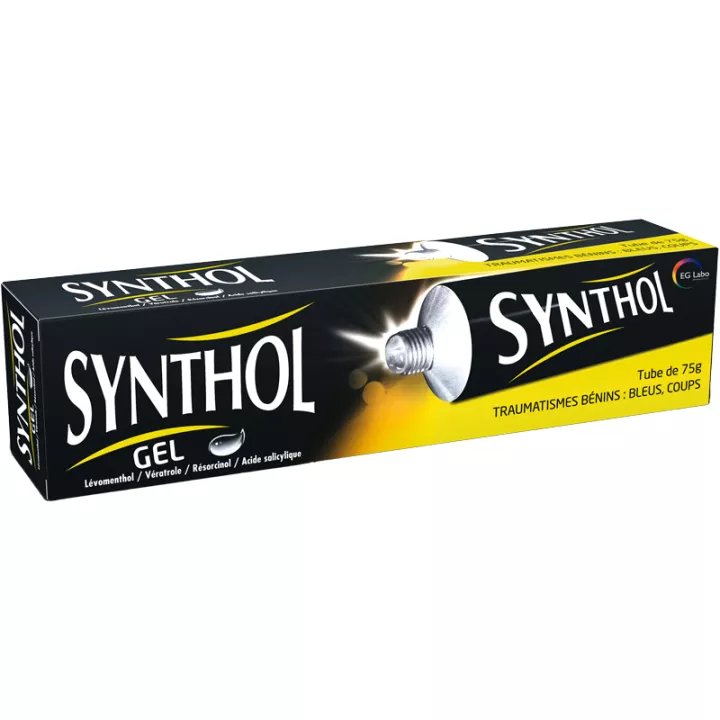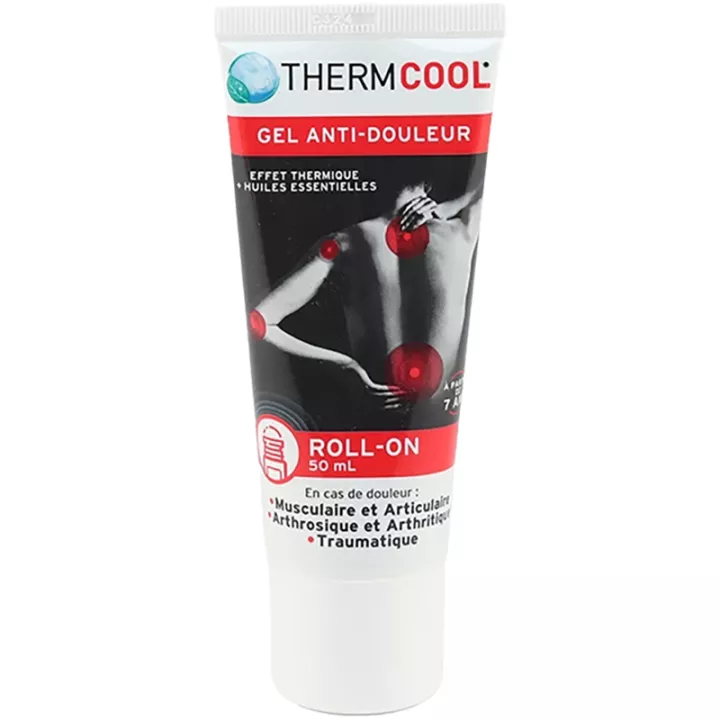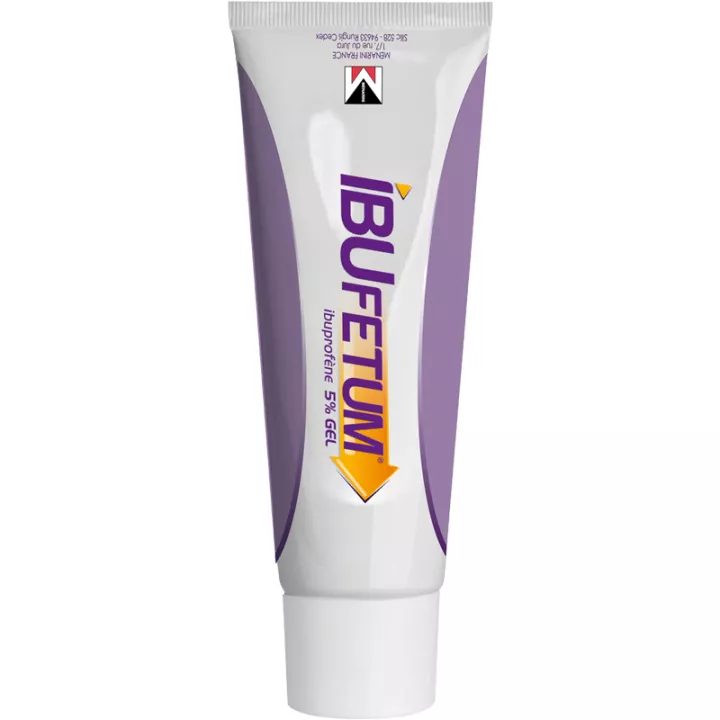
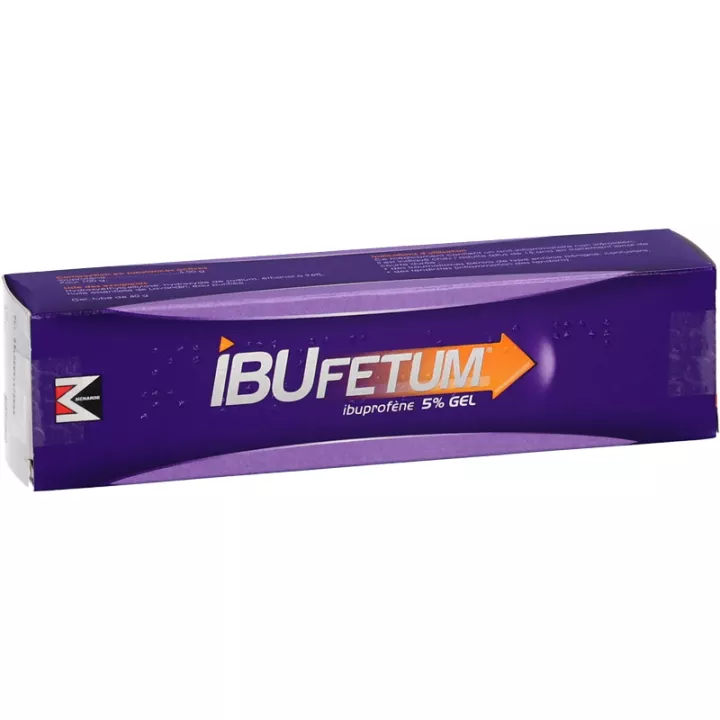
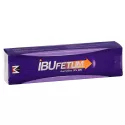
Ibufetum Ibuprofen 5% Gel is an effective topical anti-inflammatory for relieving pain, bruises, and tendonitis. Its ibuprofen-based formula reduces inflammation upon application. Ideal for fast, targeted recovery , it fits perfectly into your routine when you’re dealing with muscle or joint pain.

Are you suffering from localized pain, a mild sprain, or tendonitis that’s preventing you from moving freely? This anti-inflammatory gel might just be the relief your body has been waiting for. Thanks to its concentration of ibuprofen, a powerful NSAID (nonsteroidal anti-inflammatory drug), Ibufetum acts directly where it hurts, reducing inflammation, soothing pain, and promoting recovery.
The gel’s effectiveness is based on the targeted action of ibuprofen, known for its analgesic and anti-inflammatory effects. When applied topically, it penetrates quickly through the skin to act as close as possible to the affected area, relieving muscle pain, soothing joint tension, and limiting the progression of inflammation.
Its gel texture is a major advantage: it provides an immediate cooling sensation, facilitates localized massage, and leaves the skin feeling non-greasy. A real plus when you want to avoid sticky bandages and stained clothing. Practical and effective, this gel easily fits into your care routine for minor injuries or muscle strain.
Ibufetum is particularly recommended for recurrent tendonitis—especially among athletes—or for minor injuries such as bruises or mild sprains. It helps limit post-exercise inflammatory reactions, thereby contributing to improved mobility and a faster return to activity.
When used early on, this topical treatment can prevent inflammation from worsening, reduce local swelling, and improve joint comfort. In many cases, its use avoids the routine need for oral anti-inflammatory medications, which can help minimize the gastrointestinal side effects associated with such treatments.
This gel is aneffective topical solution for anyone seeking rapid relief from inflammatory pain without disrupting the body’s natural balance. We also offer Antarène 5% Ibuprofen GEL (50g tube) as a complementary option for targeted use.
Directions for use:
Apply a thin layer of the gel three times a day to the affected area, massaging gently and thoroughly until the product is fully absorbed. This helps the ibuprofen reach the site of the injury. Be sure to wash your hands after each application. In case of contact with the eyes or mucous membranes, rinse thoroughly with clean water.
Share your feedback on the usage instructions and dosage of Ibufetum Ibuprofen 5% Anti-Inflammatory Gel with our partner Verified Reviews after your purchase.
Precautions:
Ingredients:
Ibuprofen, Alcohol
Per 100 g of gel:
Ibuprofen: 5 g
Alcohol: excipient
Presentation
Gel for topical application, available in a 60 g tube.
As a pharmacy specializing in natural remedies, we encourage a holistic approach to managing muscle and joint pain. In addition to applying a topical NSAID such as Ibufetum, naturopathic experts recommend:
Pharmacovigilance Report an adverse drug reaction(s)
ANSM - Updated on : 23/01/2024
Ibuprofen
Please read this leaflet carefully before taking this medicine, as it contains important information for you.
Always take this medicine exactly as instructed in this leaflet or by your doctor or pharmacist.
- Keep this leaflet as you may need to read it again.
- Ask your pharmacist for any advice or information you may need.
- If you experience any of the side effects listed above, please tell your doctor or pharmacist. This also applies to any side effects not mentioned in this leaflet. See section 4.
- You should contact your doctor if you do not feel any improvement or if you feel less well.
What does this leaflet contain?
1. What is IBUFETUM 5% gel and what is it used for?
2. What do I need to know before using IBUFETUM 5% gel?
3. How do I use IBUFETUM 5% gel?
4. What are the possible side effects?
5. How do I keep IBUFETUM 5% gel?
6. Package contents and other information.
1. WHAT IS IBUFETUM 5%, gel AND WHAT IS IT USED FOR?
For short-term local treatment in adults (over 15 years of age):
- benign traumas such as sprains and contusions,
- tendinitis (inflammation of tendons).
2. WHAT DO I HAVE TO KNOW BEFORE USING IBUFETUM 5% gel?
Never use IBUFETUM 5% gel in the following cases:
- if you are allergic to the active substance or to any of the other ingredients of this medicine, as mentioned in section 6.
- if you are pregnant, from the beginning of the 6th month of pregnancy (beyond 24 weeks of amenorrhea),
- if your skin is damaged in any way: oozing lesions, eczema, infected lesions, burns or wounds.
Warnings and precautions
Be careful with IBUFETUM 5%, gel:
- Do not apply to mucous membranes or eyes,
- If you develop a rash after applying the gel, discontinue use immediately.
- If used frequently by healthcare professionals, gloves should be worn.
Take particular care with IBUFETUM 5% gel:
Severe skin reactions, including exfoliative dermatitis, erythema multiforme, Stevens-Johnson syndrome, toxic epidermal necrolysis, drug reaction with eosinophilia and systemic symptoms (DRESS syndrome), acute generalized exanthematous pustulosis (AGEP), have been reported in association with treatment with IBUFETUM 5%, gel. Stop using IBUFETUM 5%, gel and consult a doctor immediately if you notice any of the symptoms of these severe skin reactions, described in section 4.
Follow the instructions for use:
- never apply more than the recommended dose(see Dosage section),
- do not apply to large areas of the body,
- respect treatment frequency and duration.
Other drugs and IBUFETUM 5% gel
Tell your doctor or pharmacist if you are taking or have recently taken any other medicines, including medicines obtained without a prescription.
Interactions with food and drink
Not applicable.
Interactions with herbal products or alternative therapies
Not applicable.
Pregnancy, breast-feeding and fertility
If you are pregnant or breastfeeding, think you may be pregnant or are planning to become pregnant, ask your doctor or pharmacist for advice before taking any medicine.
Pregnancy
Before the beginning of the 6th month of pregnancy (up to the 24th week of amenorrhea), you should not take this medicine unless absolutely necessary, as determined by your doctor, due to the potential risk of miscarriage or malformations. In such cases, the dose should be kept as low as possible and the duration of treatment as short as possible.
From 12 weeks of amenorrhea onwards, IBUFETUM 5% gel can cause kidney problems in your baby, if taken for several days, leading to a low level of amniotic fluid (oligohydramnios). A narrowing of the blood vessels (constriction of the ductus arteriosus) in your baby's heart may be observed as early as 20 weeks of amenorrhea. If treatment over several days is required, your doctor may recommend additional monitoring.
From the beginning of the 6th month to the end of pregnancy (beyond the 24th week of amenorrhea), this medicine is contraindicated. You should NEVER take this medicine, as its effects on your child may have serious or even fatal consequences, particularly on the heart, lungs and/or kidneys, even with a single dose. It can also affect you and your baby by increasing bleeding, leading to a later or longer-than-expected delivery.
If you have taken this medicine while pregnant, talk to your obstetrician-gynecologist immediately, so that suitable monitoring can be offered if necessary.
Breast-feeding
As this drug passes into breast milk, it is not recommended to use it while breast-feeding.
If you are breast-feeding, do not apply this product to your breasts.
Fertility
This drug, like all non-steroidal anti-inflammatory drugs (NSAIDs), may impair fertility in women, leading to difficulties in becoming pregnant, which may be reversible on discontinuation of treatment. Inform your doctor if you are planning a pregnancy or have difficulty conceiving.
Not applicable.
List of notable excipients
IBUFETUM 5% gel contains ethanol (alcohol).
This medicine contains 32.30 g of alcohol (ethanol) per 100 g of gel. This may cause a burning sensation on damaged skin.
3. HOW TO USE IBUFETUM 5%, gel
The usual dose is 1 application, 3 times a day.
If you feel that the effect of IBUFETUM 5%, gel is too strong or too weak, consult your doctor or pharmacist.
Method of administration
Local use.
Gently massage the gel into the painful or inflammatory area.
Wash hands thoroughly after each use.
Duration of treatment
Treatment is limited to 5 days in the absence of a medical prescription.
If you have used more IBUFETUM 5% gel than you should: rinse off with plenty of water.
If you forget to use IBUFETUM 5%, gel: do not take a double dose to make up for the single dose you forgot to take.
If you stop using IBUFETUM 5%, gel: not applicable.
4. WHAT ARE THE POSSIBLE SIDE EFFECTS?
- Exceptionally, the following may occur
o allergic reactions:
§ cutaneous,
§ asthma-like respiratory reactions,
§ general.
o reddish, target-shaped or circular patches on the trunk, often accompanied by central blisters, desquamation of the skin, ulcers of the mouth, throat, nose, genitals and eyes. These severe rashes may be preceded by fever and flu-like symptoms [exfoliative dermatitis, erythema multiforme, Stevens-Johnson syndrome, toxic epidermal necrolysis].
o extensive rash, elevated body temperature and enlarged lymph nodes (DRESS syndrome).
o a red, scaly rash with bumps under the skin and blisters accompanied by fever. Symptoms usually appear at the start of treatment (acute generalized exanthematous pustulosis).
Stop using IBUFETUM 5% gel and consult a doctor immediately if you notice any of the above symptoms.
- May also occur:
o local skin effects such as redness and itching.
o other general effects of non-steroidal anti-inflammatory drugs, depending on the amount of gel applied, the surface treated and its condition, the duration of treatment and whether or not a closed dressing is used.
o skin sensitivity to light - frequency unknown.
In all these cases, tell your doctor.
Reporting side effects
If you experience any side effects, please tell your doctor or pharmacist. This also applies to any side effects not mentioned in this leaflet. You can also report adverse reactions directly via the national reporting system: Agence nationale de sécurité du médicament et des produits de santé (ANSM) and the network of Centres Régionaux de Pharmacovigilance - Website: https://signalement.social-sante.gouv.fr.
By reporting adverse reactions, you are helping to provide more information on drug safety.
5. HOW TO USE IBUFETUM 5% gel?
Keep out of the reach and sight of children.
Do not use IBUFETUM 5%, gel after the expiration date stated on the box.
No special storage precautions.
Do not dispose of in the household waste. Ask your pharmacist to dispose of any medicines you no longer use. These measures will help protect the environment.
6. CONTENTS AND OTHER INFORMATION
The active substance is: ibuprofen.
Other ingredients arehydroxyethylcellulose, sodium hydroxide, 96% ethanol, lavandin essential oil, purified water.
What IBUFETUM 5% gel is and what it contains
IBUFETUM is available as a gel for cutaneous application in 50 g or 60 g tubes, or in 60 g or 120 g bottles with pump.
Marketing authorization holder
1-7 RUE DU JURA
94633 RUNGIS CEDEX
Marketing authorization holder
1-7 RUE DU JURA
94633 RUNGIS CEDEX
A. MENARINI MANUFACTURING LOGISTICS AND SERVICES S.R.L.
VIA SETTE SANTI 3
FIRENZE 50131
Italy
or
LABORATORIOS MENARINI S.A.
ALFONSO XII 587
08918 BADALONA (BARCELONA)
SPAIN
Product names in member states of the European Economic Area
Not applicable.
The last date on which this leaflet was revised was :
[to be completed subsequently by the holder].
Detailed information on this drug is available on the ANSM (France) website.
This gel contains a non-steroidal anti-inflammatory drug (NSAID). It fights inflammation and pain locally.
It is used to treat tendonitis and minor trauma (contusion, sprain).
Prices do not include dispensing fees.
| p 100 g | |
| Ibuprofen | 5 g |
| Alcohol | + |
This product can be purchased without a prescription. However, medical advice is recommended in the event of severe pain or swelling, or if mobility of the limb or joint is limited.
In the event of rash, do not repeat applications without your doctor's advice.
Oral NSAIDs may be toxic to the fetus; their use is contraindicated during the last 4 months of pregnancy. NSAIDs intended for topical application may pass through the skin into the bloodstream, exposing the fetus to the same risk. Do not use this medicine during the first 5 months of pregnancy without medical advice. Its use is formally contraindicated from the 6th month of pregnancy.
Do not use this gel while breast-feeding without medical advice.
The gel is applied by gentle, prolonged massage to the painful area.
Remember to wash your hands after application. In case of accidental contact with eyes or mucous membranes, rinse thoroughly.
Itching, redness of the skin.
Requires discontinuation of treatment: allergic skin reaction (urticaria, etc.) or general reaction (angioedema, asthma attack).
Due to the presence of alcohol as an excipient: burning sensation in the event of skin lesions.
Abbreviation for non-steroidal anti-inflammatory drug. A family of anti-inflammatory drugs not derived from cortisone (steroids), the best known of which is aspirin.
See article: Non-steroidal anti-inflammatory drugs (NSAIDs)
General name for a family of substances that can be mixed with water and fats. The most common alcohol is ethyl alcohol (ethanol), but there are many other alcohols, such as methanol and butanol. The degree of an alcoholic solution corresponds to the volume of pure alcohol present in 100 ml of solution, bearing in mind that 1 balloon glass of wine or 1 half of beer (25 cl) contains around 8 g of alcohol.
When alcohol is used as an antiseptic, an unpleasant-smelling denaturant is often added to prevent it from being drunk. Contrary to popular belief, 70° (or even 60°) alcohol is a better antiseptic than 90° alcohol.
See article: Alcohol dependence
Skin reaction (itching, pimples, swelling) or general discomfort following contact with a particular substance, the use of a medicine or the ingestion of a food. The main forms of allergy are eczema, urticaria, asthma, angioedema and allergic shock (anaphylactic shock). Food allergy can also lead to digestive problems.
A drug that fights inflammation. It can be either cortisone-derived (steroidal anti-inflammatory) or non-cortisone-derived (non-steroidal anti-inflammatory or NSAID).
Disease characterized by difficulty in breathing, often accompanied by wheezing. Asthma is caused by narrowing and inflammation of the bronchial tubes.
See article: Asthma
A skin disease manifested by pimples and intense itching. Eczema may be due to contact with an allergenic substance (contact eczema) or to a genetic predisposition (atopic eczema).
See article: Atopic dermatitis (atopic eczema)
Injury to the ligaments of a joint caused by trauma.
See article: Sprain
Appearance of pimples or patches on the skin. These lesions may be caused by a food or medication, and may reflect an allergy or toxic effect. Many viruses can also cause rashes: rubella, roseola and measles are the best known.
A substance with no therapeutic activity used in the composition or manufacture of a medicine. The excipient's function is to improve the appearance or taste of the drug, to ensure its preservation, and to facilitate its shaping and administration. It also serves to convey the active substance to its site of action and to control its absorption by the body.
The excipient should be perfectly harmless (well tolerated); nevertheless, some may cause allergic reactions or individual intolerances: these are known as excipients with a notorious effect.
See article: Notable excipients
Natural reaction of the body against an element recognized as foreign. It manifests itself locally as redness, heat, pain or swelling.
Tissue (membrane) lining the body's cavities and ducts communicating with the outside world (digestive tract, respiratory system, urinary tract, etc.).
Allergic reaction generally affecting the face. Quincke's oedema is characterized by swelling that can be spectacular. The eyelids are often the first to be affected. In rare cases, when the swelling reaches the throat, respiratory problems may occur and urgent treatment is required.
Reaction caused by the body's hypersensitivity to a drug. Allergic reactions can take a variety of forms: urticaria, angioedema, eczema, measles-like rash and so on. Anaphylactic shock is a generalized allergic reaction that causes a sudden drop in blood pressure.
See article: Can you be allergic to drugs?
Inflammation of the tendons, causing pain during certain movements. The most common types of tendonitis are tennis elbow and Achilles tendon.
See article: Tendonitis.
An eruption of pimples on the skin, most often of allergic origin. The pimples resemble nettle stings and vary in color from pale pink to red. Urticaria can appear or disappear within minutes, causing intense itching; it can be localized or generalized to the entire skin surface.