Why is turmeric a daily health ally?
Native to India, turmeric is a tropical plant that thrives in rich soils and has been cultivated for a very long time in India and Asia.
It is a perennial herbaceous plant with an underground rhizome from which large, elongated leaves and tall spikes of pale pink flowers surrounded by bracts emerge.
The rhizome, covered in gray-brown suber, is orange-yellow and gives off a strong aromatic scent when broken.
The name “curcuma” derives from the Arabic word “korkom.” Ibn al-Baytar (3rd century) reported that it dries up ulcers, sharpens vision, and cures scabies.
In India, it is used as an anti-inflammatory and to treat skin diseases, particularly scabies. A turmeric paste applied topically treats eye infections, burns, wounds, and bites.
It is one of the main ingredients in curry, a spice blend that adds flavor and acts as a preservative in food. Indians consume 2 to 3 grams of it daily.
In Chinese medicine, it is recommended to eliminate blood stasis, promote the flow of qi (energy), regulate menstruation, and relieve pain. It is also known as Indian saffron.
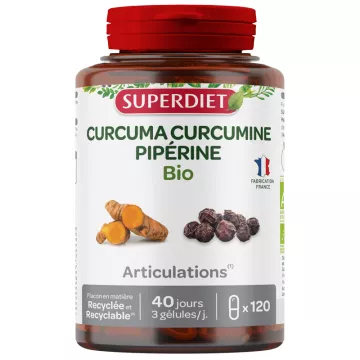
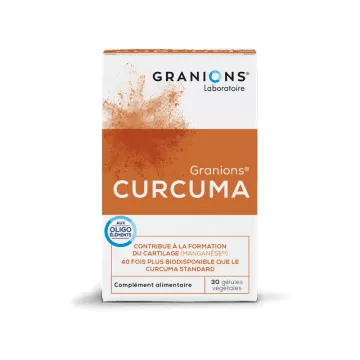
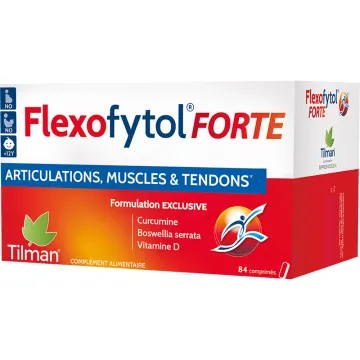
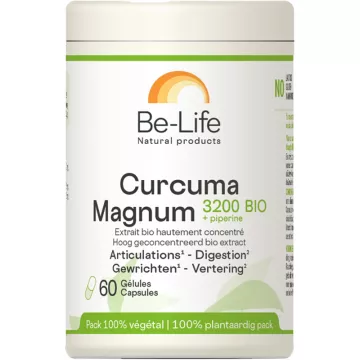
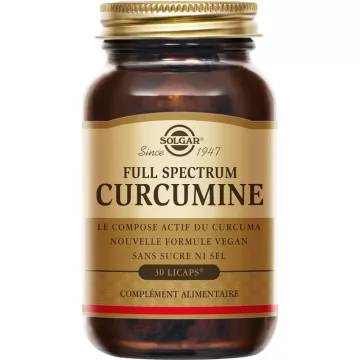
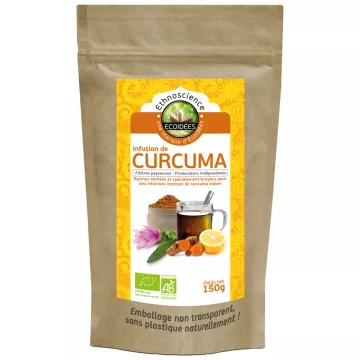
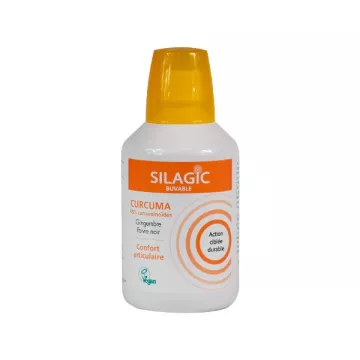
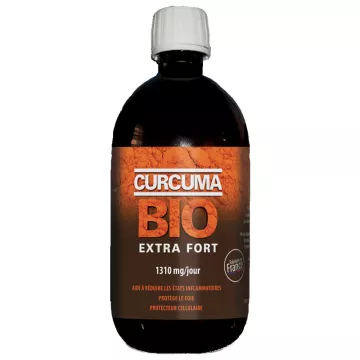
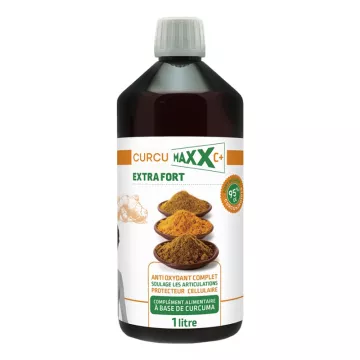
Curcumin-based dietary supplementsoffer a concentrated formulation of turmeric. This single ingredient is a valuable ally in helping the body combat discomforts that may arise with age.
It is for these reasons that turmeric is now included in many dietary supplements designed to support joint health, which are highly sought after in natural health stores.
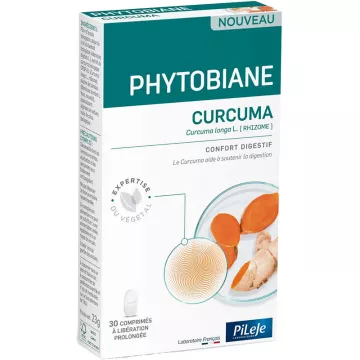
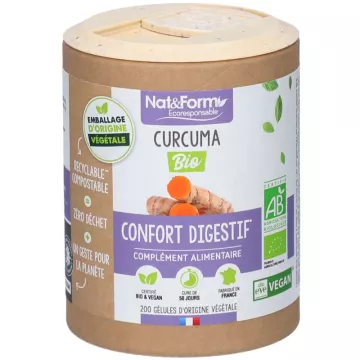
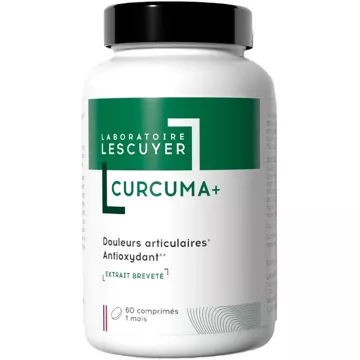
Turmericcapsules are intended for anyone experiencing:
- Inflammatory conditions
- Digestive issues
- Chronic fatigue
- A weakened immune system
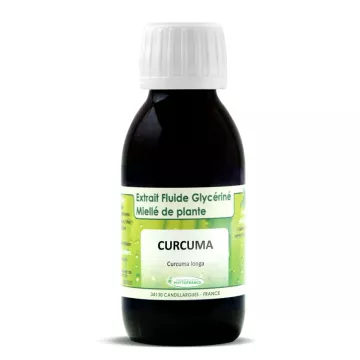
Latin name: Curcuma longa L.
Botanical family: Zingiberaceae
Part used: The secondary rhizome, containing at least 3% curcumin and 4% essential oil (WHO monograph)
In what forms should turmeric be consumed for maximum effectiveness?
- Piperine from black pepper increases the absorption and bioavailability of curcumin; together, they work synergistically to prevent aging
- The inclusion of piperine in formulations containing curcumin is strongly recommended to inhibit the glucuronidation of curcumin
- Mix one heaping teaspoon of turmeric powder with one to two tablespoons of olive oil, grind in a pinch of black pepper, and consume throughout the day with a meal (pasta, rice, vegetables, or even in a salad)
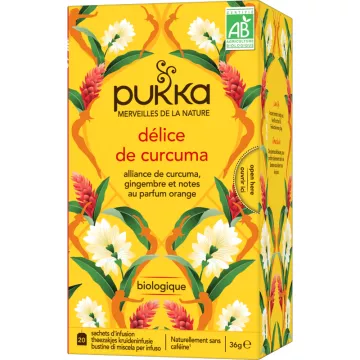
- The ginger-turmeric combination also appears to have a synergistic effect; Ayurvedic medicine has used a combination of black pepper (Piper nigrum L.), long pepper (Piper longum L.), and ginger (Zingiber officinale Rosc.) to enhance the effectiveness of certain remedies
Turmeric is an exceptional plant with numerous benefits:
- Anti-inflammatory: its consumption is recommended for people suffering from pain, rheumatism, fibromyalgia, chronic fatigue, etc. It is also very useful for treating inflammation of the respiratory or urinary tracts.
- Antioxidant: neutralizes the effects of free radicals, which oxidize and cause our cells to age.
- Digestive: Turmeric acts as a digestive tonic; it improves the digestive process and combats heartburn, ulcers, gastritis, and more.
- It protects the liver and gallbladder, helps prevent the formation of gallstones, and can prevent and relieve liver diseases such as cirrhosis or jaundice.
- Antidepressant: Several studies have shown that turmeric acts as a natural antidepressant, particularly helpful during periods of stress.
- Antimicrobial and antiseptic.
- Reduces fat storage
What precautions should be taken before consuming turmeric?
- Contraindicated in cases of bile duct obstruction, sub-centimeter gallstones, or biliary or liver diseases
- Not recommended for pregnant or breastfeeding women without medical advice.
- Not recommended in cases of bile duct obstruction or the presence of gallstones.
- Risk of numerous drug interactions; consult your pharmacist (inhibition of CYP3A, CYP2C9, UGT, SULT)
- Use with caution in cases of gastric or duodenal ulcers
- Avoid use with anticoagulants; inhibits platelet aggregation by modulating eicosanoid biosynthesis (curcumin), particularly products containing pure curcumin; interacts with warfarin (Coumadin)
- Combinations not recommended with certain chemotherapies (risk of partial inhibition of efficacy during treatment: Camptothecin (Campto®), doxorubicin (Adriamycin®), mechlorethamine and cyclophosphamide (Endoxan®), vincristine (Oncovin®)
- Possible combination with certain chemotherapy drugs (experimental evidence of synergistic action/potentiation of efficacy): Gemcitabine (Gemzar®), paclitaxel (Taxol®), docetaxel (Taxotere®), oxaliplatin (Eloxatin®)
What are the natural active compounds found in turmeric?
- Saccharides and polysaccharides: 45–55% starch andarabino-galactans (ukonanes)
- Curcuminoids (yellow pigments): curcumin, desmethoxycurcumin, bidesmethoxycurcumin, dihydrocurcumin (major active ingredients)
- Phellandrene-containing essential oils: zingiberene, beta-curcumene and delta-curcumene, turmerone (60%), alpha-ar-turmerone and beta-ar-turmerone, curlone, atlantones
- Lignans, phenolic acids
The rhizome is available at pharmacies and in stores. The plant is listed in the French Pharmacopoeia’s list of medicinal plants. The WHO and the European Pharmacopoeia have published monographs for the rhizome.
Curcumin-based dietary supplementsoffer a concentrated turmeric formulation. This single ingredient is an excellent ally in helping the body combat the discomforts that can arise with age.
How can you easily incorporate turmeric into your diet?
A good way to get your daily dose of turmeric is to add it to your oil, for example.
Recipe for an aromatic turmeric oil:
Ingredients:
- 500 ml extra virgin olive oil
- 3 tablespoons organic turmeric powder
- 1 level teaspoon of fresh organic black pepper
Preparation:
- Pour the oil into an airtight glass jar
- Add the turmeric powder and black pepper
- Mix everything together with a spatula
- Close the jar and let the mixture steep for one week, remembering to shake the jar once a day
- On the 8th day, strain the turmeric oil into an opaque glass bottle without disturbing the turmeric and pepper sediment at the bottom.
What joint health supplements does Soin-et-Nature offer?
Soin-et-Nature offers a complete line of dietary supplements dedicated to joint health, designed to relieve pain, preserve mobility, and strengthen joint structures. Here are the main categories available:
- To remineralize bones and strengthen joint structure, remineralizing supplements support bone strength and resilience.
- To maintain cartilage health and reduce joint pain, chondroitin is an effective and natural solution.
- To promote the regeneration of cartilage tissue, glucosamine helps maintain joint flexibility and mobility.
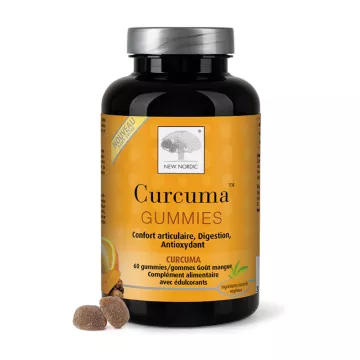
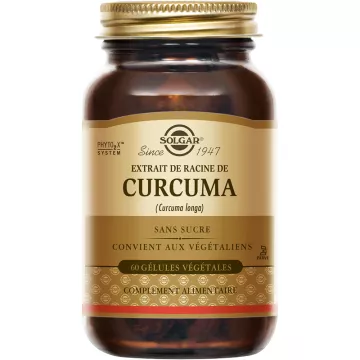
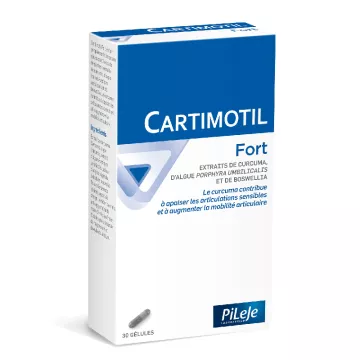
- To reduce inflammation and soothe pain, turmeric, with its anti-inflammatory properties, offers powerful natural support.
- To relieve painful joints and improve comfort, harpagophytum is recognized for its beneficial effects on joint mobility.
- To strengthen joints and improve their elasticity, collagen for joints helps preserve their integrity and functionality.
These joint supplements, available on Soin-et-Nature, help support joint and bone health while contributing to optimal mobility and comfort in daily life.