What is a muscle spasm, and how does it differ from a cramp?
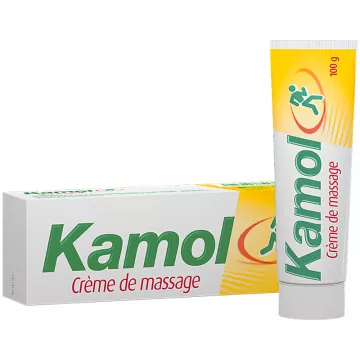
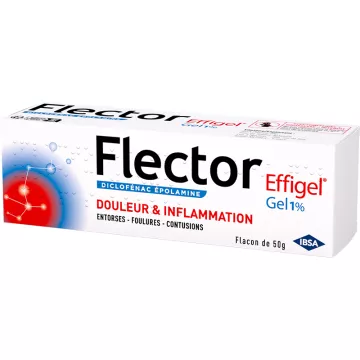
A muscle spasm is a persistent, involuntary contraction of a muscle or muscle group—it differs fundamentally from a cramp in terms of duration and mechanism. Our muscle comfort line offers active ingredients tailored to managing chronic muscle spasms.
- Muscle spasm: continuous, painful tension lasting several days to weeks—a hard, palpable area in the muscle (“knot”)—no rapid spontaneous resolution—causes: overexertion, poor posture, cold, stress
- Cramp: sudden, intense contraction—resolves spontaneously within seconds to minutes—causes: dehydration, electrolyte imbalance—see our page on muscle cramps
- Tear: anatomical injury to muscle fibers—acute pain + bruising + swelling—see our page on muscle strains
- Trigger point: an area of focal muscle tension that is extremely tender to the touch—may cause referred pain—common in the trapezius muscles (referred pain to the head) and the lower back (referred pain to the buttocks)
- Most commonly affected areas: trapezius and cervical muscles (computer work, stress), lower back (prolonged sitting), calves (physical exertion + cold)
Immediate and natural treatment for muscle spasms
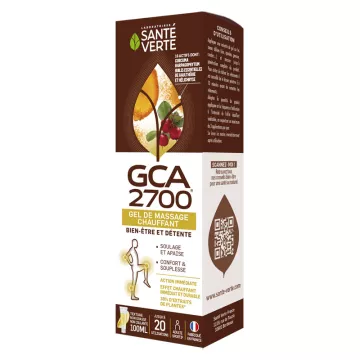
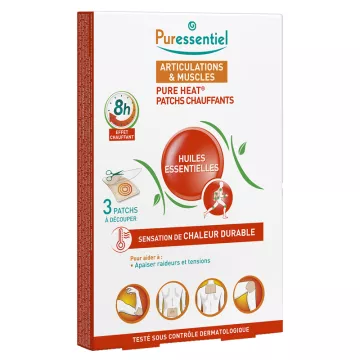
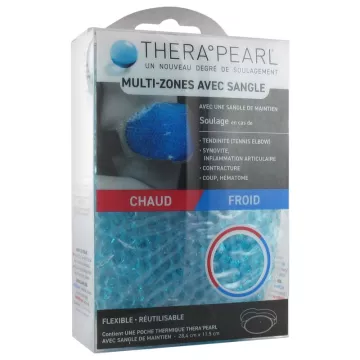
- Local heat: heat pad for 15–20 minutes — vasodilation → increased blood flow → muscle relaxation — repeat 2–3 times a day — avoid heat if the spasm is recent and post-traumatic (< 48 hours)
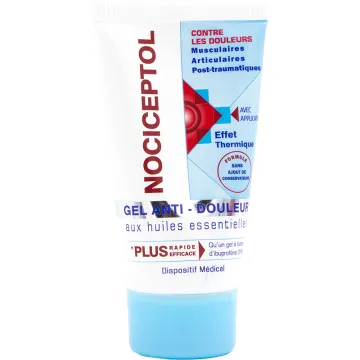
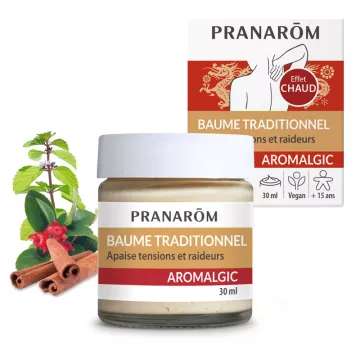
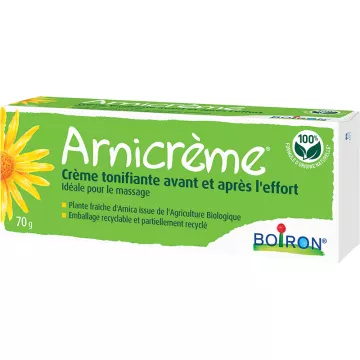
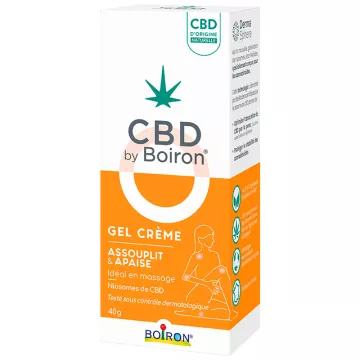
- Therapeutic massage: slow, deep kneading of the muscle belly—sustained pressure on trigger points (60–90 seconds) until gradual release—do not massage too hard (risk of aggravating inflammation)
- Progressive passive stretching: hold for 30–60 seconds, repeat 3 times — never force a stretch on an acute muscle spasm — trapezius stretch: tilt the head sideways, ear toward the shoulder
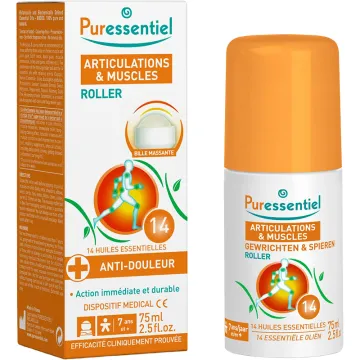
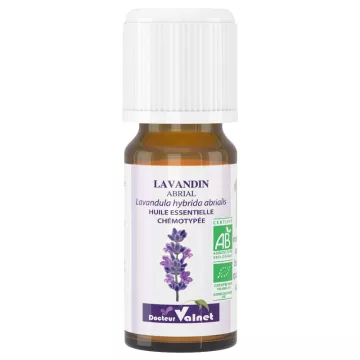
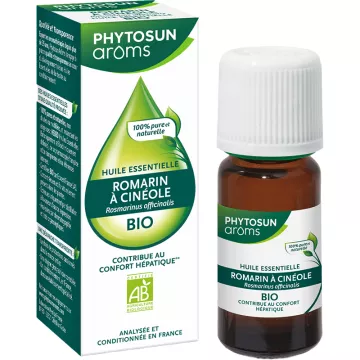
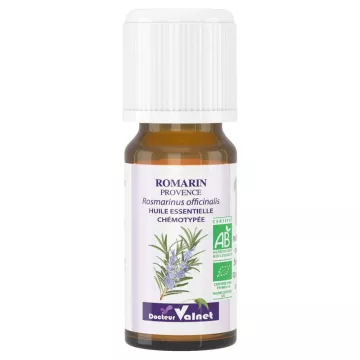
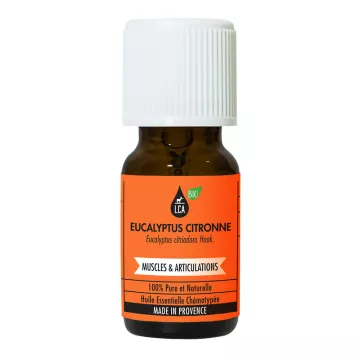
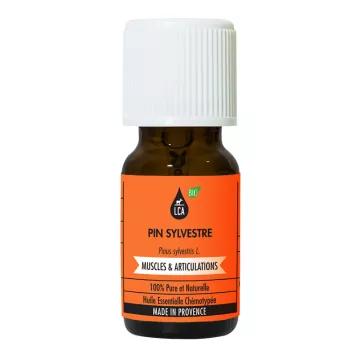
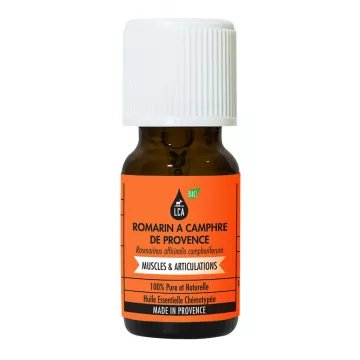
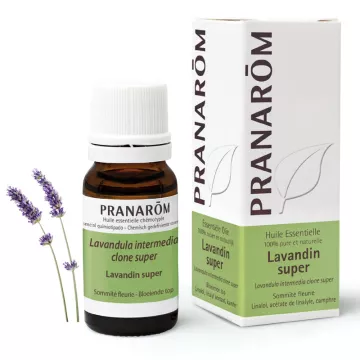
- Essential oils: peppermint (cooling analgesic effect) or true lavender (muscle relaxant) diluted to 10% in a vegetable oil—circular massage on the tense area
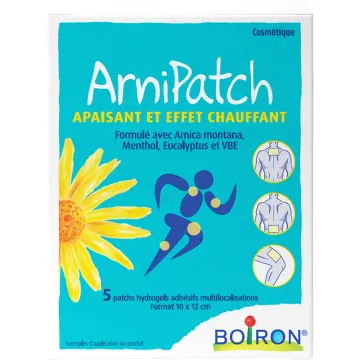
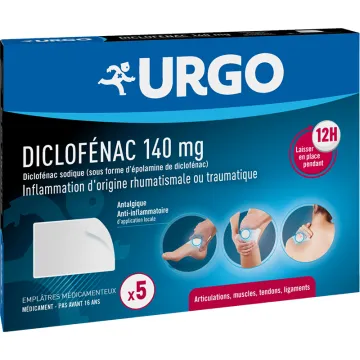
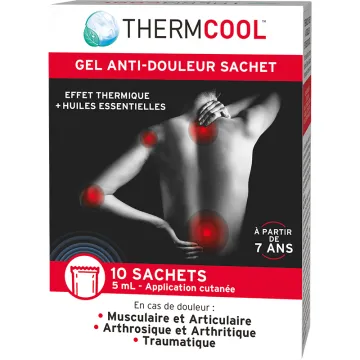
- Lumbar or cervicalheating patch: portable heat therapy for 8–12 hours during the workday—continuous relief from postural muscle spasms
What natural supplements can help prevent and relieve muscle spasms?
Micronutrient deficiencies and chronic stress are the two leading factors contributing to recurrent muscle spasms—targeted supplementation significantly reduces their frequency and intensity. Find these active ingredients in our muscle comfort line.
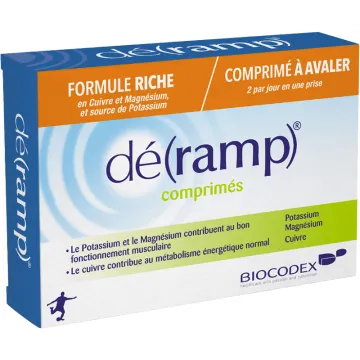
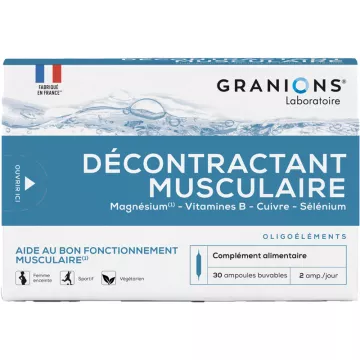
- Magnesium: the go-to active ingredient for muscle spasms — regulates neuromuscular excitability by antagonizing intracellular calcium — 300–400 mg/day of bisglycinate or malate — the glycinate form is better tolerated by the digestive system
- B Vitamins (B1, B6): support nerve conduction — helpful if muscle cramps are accompanied by tingling in the limbs
- Omega-3 (EPA/DHA): reduce the muscle inflammation underlying chronic muscle spasms — complementary to magnesium in recurrent cases
- Potassium: an electrolyte that contributes to muscle relaxation — bananas, avocados, sweet potatoes — do not take supplements without medical advice
- Hydration: 1.5–2 L/day — mild dehydration worsens muscle spasms by reducing the fluidity of the muscle matrix
Stress, Posture, and Prevention of Recurrent Muscle Spasms
- Chronic stress: Cortisol keeps the trapezius and cervical muscles in a state of constant tension — stress-reduction techniques: cardiac coherence (5 min, 3 times/day), meditation, yoga — see our ergonomics page
- Posture at work: monitor at eye level, adjustable chair, active breaks every 45 minutes — 80% of trapezius and cervical muscle tension is related to posture while using a computer
- Cold: drafts on the back of the neck, inappropriate clothing—protect vulnerable areas in winter (scarf, high collar)
- Persistent muscle tension lasting > 3 weeks with no improvement: seek medical advice—physical therapy, trigger point injections (corticosteroids or local anesthetic), or targeted osteopathic treatment
- Prevention program: core strengthening + daily stretching + magnesium + stress management — 60–70% reduction in recurrent episodes in primary prevention studies