What is rheumatism, and how is it classified?
The term “rheumatism” refers to a group of more than 200 musculoskeletal conditions—an umbrella term that encompasses disorders that vary greatly in their underlying mechanisms and treatments. Understanding their classification helps you identify the right active ingredients and products available in our joint pain line.
- Degenerative rheumatic conditions: osteoarthritis —mechanical wear and tear of cartilage—mechanical pain—treatment: chondroprotectives, adapted physical activity
- Autoimmune inflammatory rheumatic diseases: rheumatoid arthritis, ankylosing spondylitis, psoriatic arthritis—essential long-term medication
- Microcrystalline rheumatic conditions: gout (urate), chondrocalcinosis — intense acute attacks — specific treatment (colchicine, low-purine diet)
- Extra-articular rheumatic conditions: fibromyalgia, tendinitis, bursitis — periarticular or diffuse pain
- Juvenile rheumatic diseases (juvenile idiopathic arthritis): children under 16 years of age — silent uveitis requiring monitoring, risk of growth retardation — specialized pediatric care
What natural supplements are available for rheumatic pain?
Several natural active ingredients have been studied in clinical trials for rheumatic pain —their effectiveness varies depending on the type of rheumatic condition and the inflammatory mechanism targeted.
- Omega-3 (EPA/DHA): reduce pro-inflammatory prostaglandins and leukotrienes — documented benefits in rheumatoid arthritis and osteoarthritis — minimum 2 g EPA+DHA/day for a significant anti-inflammatory effect
- Turmeric (curcumin): inhibits NF-kB and COX-2—effectiveness comparable to certain NSAIDs for osteoarthritis pain—a bioavailable formulation (with piperine or in liposomal form) is essential for crossing the intestinal barrier
- Boswellia (Boswellia serrata): inhibits 5-lipoxygenase—an anti-inflammatory pathway complementary to turmeric—synergistic when combined
- Dietary antioxidants: vitamins C and E, polyphenols (red berries, green tea, olive oil) — reduce joint oxidative stress, which accelerates cartilage degradation
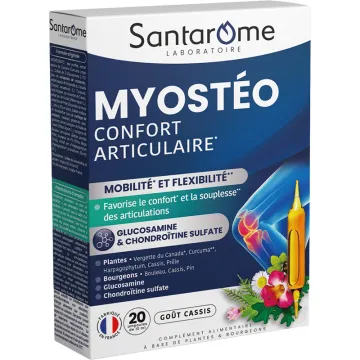
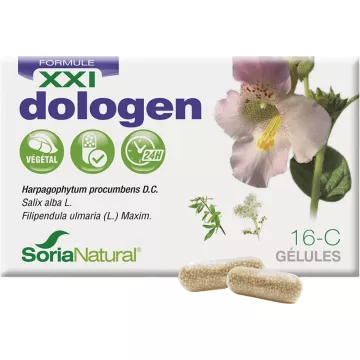
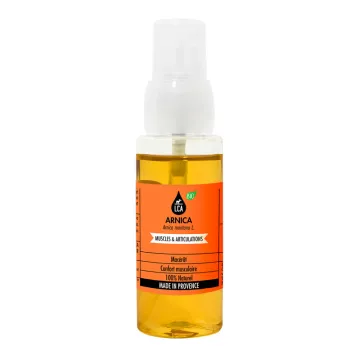
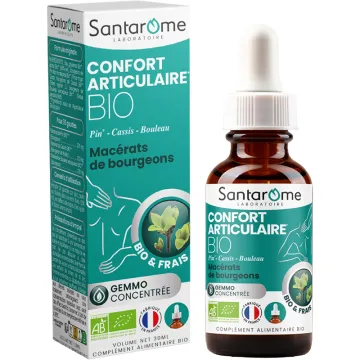
- Our joint comfort line features formulas that combine these natural anti-inflammatory active ingredients
How do climate and lifestyle influence rheumatic conditions?
Environmental factors play a well-documented role in modulating rheumatic pain—even though the exact mechanisms remain only partially understood.
- Cold and humidity: Low barometric pressure, cold, and high humidity worsen joint pain —cold makes synovial fluid more viscous and reduces joint lubrication—make sure to properly cover exposed joints
- Smoking: an independent risk factor for rheumatoid arthritis (2–4 times the risk) and osteoarthritis—it reduces the effectiveness of biologic therapies—quitting is essential
- Excess weight: Every extra kilogram increases the pressure on weight-bearing joints—visceral adipose tissue produces pro-inflammatory adipokines that worsen inflammatory rheumatic conditions
- Appropriate physical activity: swimming, cycling, Nordic walking, yoga — maintains mobility, reduces pain by releasing endorphins and anti-inflammatory myokines
- Anti-inflammatory diet: Mediterranean diet—fatty fish, colorful vegetables, olive oil, berries—documented reduction in inflammatory markers in rheumatic conditions
When should you seek medical advice, and what medical treatments are available for rheumatic conditions?
Supplements and lifestyle changes are sufficient for mild cases—progressive inflammatory rheumatic conditions require long-term medical treatment under the supervision of a rheumatologist, in addition to our chronic pain product line.
- Seek medical attention promptly if: joint is warm, red, and swollen, accompanied by fever (septic arthritis); bilateral pain, morning stiffness lasting more than 30 minutes, and fatigue (early-stage inflammatory rheumatism)
- NSAIDs: nonsteroidal anti-inflammatory drugs—provide rapid relief during flare-ups—gastrointestinal and cardiovascular side effects should be monitored with long-term use
- DMARDs (disease-modifying antirheumatic drugs): methotrexate, leflunomide — alter the course of inflammatory rheumatic diseases — standard of care for long-term treatment
- Biotherapies and JAK inhibitors: anti-TNF, anti-IL-6, anti-IL-17 — a therapeutic breakthrough for severe forms — remission achievable in 30–50% of refractory cases
- Anti-TNF therapy: targets key inflammatory mediators — personalized treatment based on the patient’s biological profile