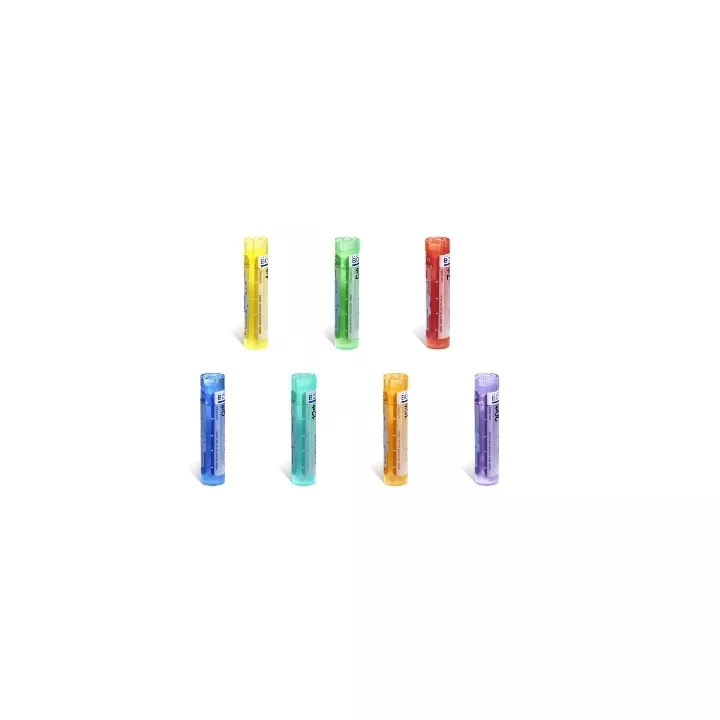
Viola Odorata Homeopathic Granules by Boiron
Viola Odorata, manufactured by Boiron Laboratories, is a homeopathic remedy derived from the sweet violet. It is specifically formulated as an antispasmodic sedative and is widely used in the field of rheumatology. This comprehensive guide covers key characteristics, therapeutic indications, recommended dosage, and associated contraindications.
Origin: Plant-based
Available from TM to 30 CH
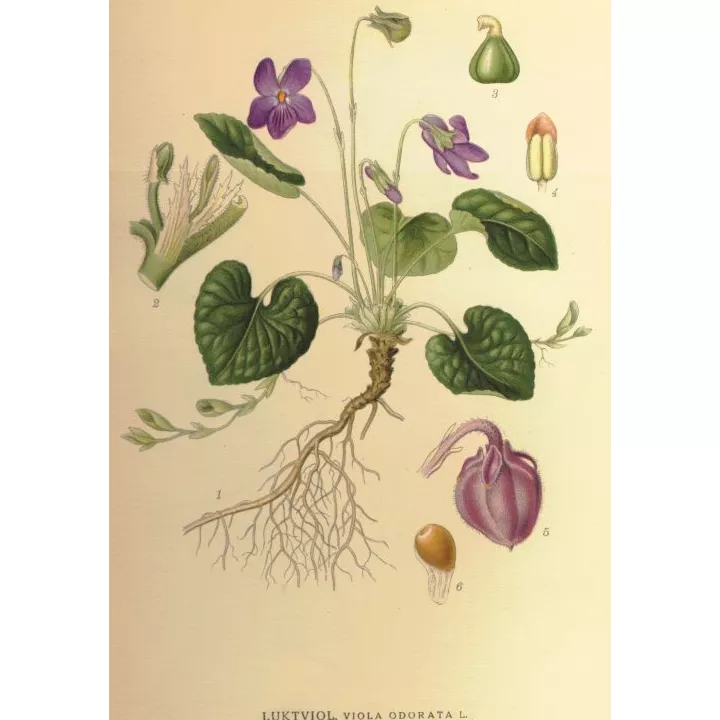
Viola Odorata derives its mother tincture from the sweet violet. The active ingredient in Viola Odorata is extracted from a herbaceous plant with blue flowers, known as the sweet violet, which belongs to the Violaceae family. This plant, native primarily to Europe, is also found in Africa and Asia. It is known for its aromatic properties, which also make it useful in perfumery.
The appropriate dilution of Viola Odorata in homeopathy
Depending on the type of symptoms to be treated, different dilutions are used.
- Low dilutions (4CH–5CH) are used for local symptoms
- Medium dilutions (7CH–9CH) are used to treat more general symptoms
- High dilutions (15CH–30CH) are intended for behavioral disorders
Available Formats
Viola Odorata is available in various formats to suit individual needs:
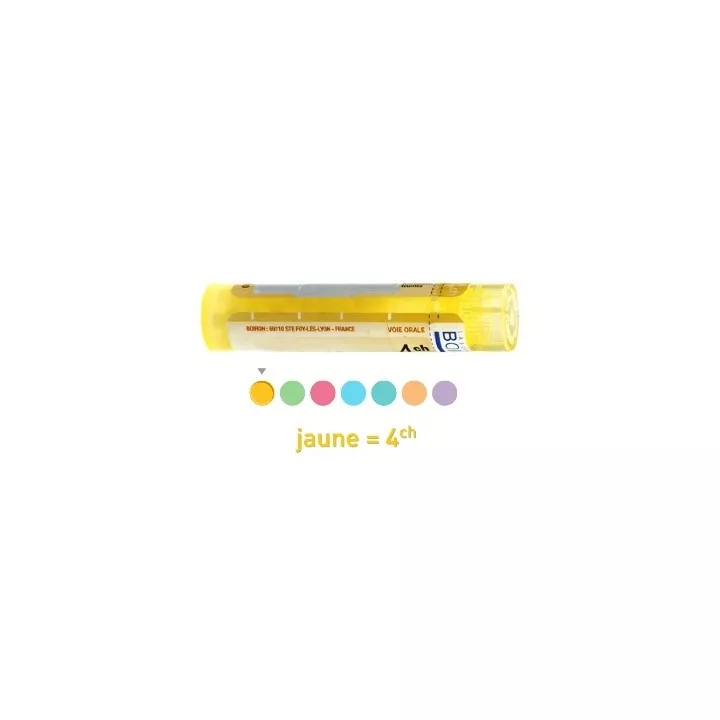
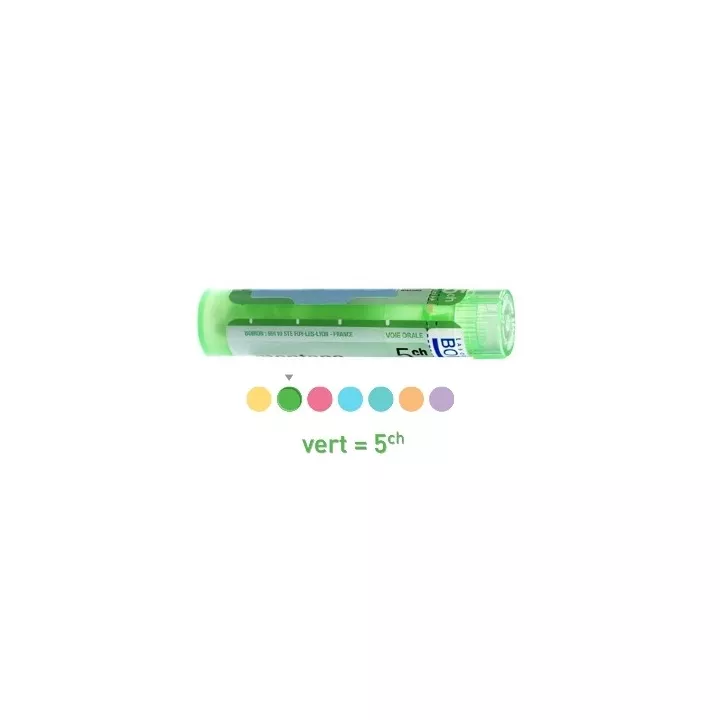
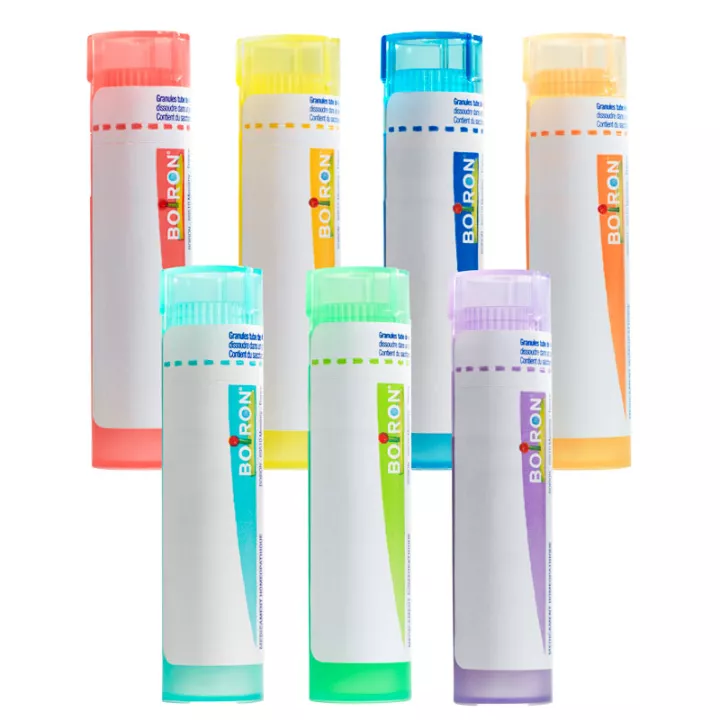
- Granule Tubes: 4 CH, 5 CH, 7 CH, 9 CH
- Compounded Preparations: Hahnemannian dilutions starting at 3 CH
Medical Indications: Expertise in Rheumatology
Deltoid Muscle Rheumatism
In typical cases, Viola Odorata is indicated to alleviate rheumatic symptoms affecting the deltoid muscle. Patients with this condition may experience muscle tremors and a sensation of bone soreness, particularly upon waking.
Rheumatism of the Fingers and Wrists
Viola Odorata has also proven effective in treating rheumatism of the fingers and wrists, characterized by excruciating pain in the carpal and metacarpal regions. Patients may also experience psychological distress such as irritability and tearfulness.
Use in Rheumatology
Viola Odorata is primarily indicated for the treatment of:
- Rheumatism affecting the deltoid muscle
- Bone disorders affecting the upper body
- Rheumatic flare-ups in the fingers or wrists
This homeopathic remedy is primarily indicated for rheumatic conditions that manifest as burning, intermittent pain. It is particularly suitable for rheumatic problems affecting the upper limbs.
The homeopathic physician selects the appropriate dilution of Viola Odorata for each condition or symptom.
Thus, Viola Odorata is the most appropriate remedy for treating rheumatism of the hand, fingers, or wrist, as well as rheumatism of the deltoid muscle. Furthermore, taking this remedy does not cause any side effects that could be harmful to the body.
Recommendations for Use of Viola Odorata and Instructions for Use
Twist the tube to dispense the desired number of granules into the cap, then place the Viola Odorata homeopathic granules (3CH, 4CH, 5CH, 6CH, 7CH, 9CH, 15CH, 30CH, 3DH, 6DH, 8DH under the tongue.
Dosage: Under Medical Supervision
Depending on the doctor’s prescription, the standard dosage recommends taking 5 granules or 10 drops of Viola Odorata between meals.
For wrist rheumatism and muscle pain exacerbated by cold air, the usual treatment recommends taking Viola Odorata 5CH, 3 granules per dose, twice daily. An alternative could be Viola Odorata 6 DH, at a dose of 5 granules per day. However, it is essential to reduce the frequency of doses once the patient’s condition improves, gradually decreasing to one or two doses per week.
Presentation
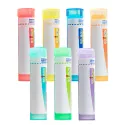
Translucent granule tube. Weight: 4 g. Approximately 80 homeopathic granules of Viola Odorata 3CH, 4CH, 5CH, 6CH, 7CH, 9CH, 15CH, 30CH, 3DH, 6DH, 8DH
Viola Odorata is an effective homeopathic therapeutic solution, particularly for the treatment of rheumatism and bone diseases. Its range of dilutions allows for personalized treatment. However, a prior medical consultation is essential to determine the appropriate dosage and identify any potential contraindications. This medication is therefore a viable option for those seeking a natural and holistic approach to their medical condition.
Viola Odorata, commonly known as the sweet violet, is a plant recognized not only for its beauty and pleasant fragrance but also for its therapeutic properties in homeopathy. Derived from a plant source and registered under number EH02140, this homeopathic remedy offers a natural alternative for treating various conditions. This article explores the characteristics, availability, and potential applications of Viola Odorata in homeopathy.
Origin and Extraction
The sweet violet is harvested for its medicinal properties, which are then extracted and diluted according to homeopathic principles. This plant is valued for its active compounds, which include flavonoids and saponins, contributing to its beneficial health effects. In homeopathy, Viola Odorata is used in a diluted form to harness these properties and support the body’s natural healing process.
Available Formulations
Tubes: Viola Odorata is available in tubes in several dilutions, including 4 CH, 5 CH, 7 CH, and 9 CH. This range of potencies allows patients and practitioners to choose the most appropriate dilution based on symptoms and individual sensitivity.
Compounded Formulations: For those who require specific dilutions or customized preparations, Viola Odorata is also available for compounded formulations, starting at 3 CH. This option highlights the flexibility and adaptability of homeopathy in meeting the unique needs of each patient.
Therapeutic Applications
Viola Odorata is traditionally used in homeopathy to treat a variety of conditions, particularly those related to the respiratory system and the skin. It is often recommended to relieve cold symptoms, such as cough and nasal congestion, as well as to treat certain skin conditions, such as eczema and acne. Its ability to soothe and reduce inflammation makes it a suitable choice for these conditions.