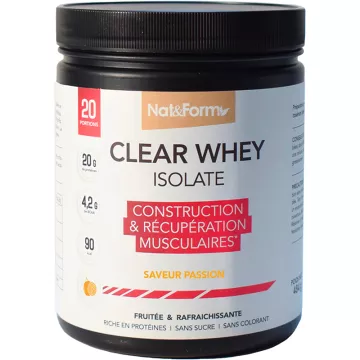
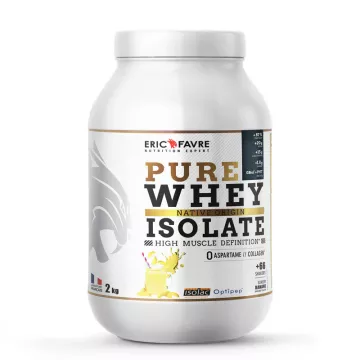
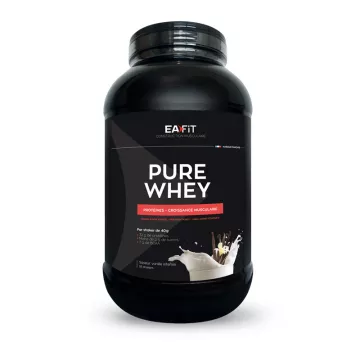
Whey is the fastest-absorbing milk protein. Obtained during cheese production, it is concentrated, filtered, and dried to produce sports protein powders. Its high biological value and high BCAA content—particularly leucine—make it the gold standard among nutritional supplements for post-workout muscle recovery.
What is whey protein?
Whey is one of the two proteins found in cow’s milk (along with casein, which makes up 80% of milk). It accounts for about 20% of milk proteins and is extracted during the cheese-making process. Its rapid absorption rate (peak amino acid levels reached in 60–90 minutes) sets it apart from casein and makes it ideal for the post-workout anabolic window. It contains all 9 essential amino acids in optimal proportions for muscle protein synthesis.
Concentrate, isolate, hydrolysate: which one should you choose?
The three forms of whey have distinct protein contents and nutritional profiles.
- Whey concentrate (WPC): 70–80% protein, contains lactose and fat—most complete nutritional profile, popular taste, affordable price
- Whey isolate (WPI): ≥ 90% protein, very low in lactose and fat — ideal for people who are lactose intolerant or looking to limit calories
- Whey hydrolysate (WPH): protein pre-digested by enzymatic hydrolysis—fastest absorption, maximum digestibility, higher price
- For post-workout recovery: isolate or hydrolysate; for daily protein intake: concentrate is sufficient
Whey and muscle mass gain?
Whey is the most extensively studied protein source for supporting muscle growth.
- Protein contributes to the growth and maintenance of muscle mass (EFSA-approved claim)
- Its high leucine content directly activates the mTOR protein synthesis pathway—the leucine content is higher than that of plant proteins
- Combined with creatine: improves performance during repeated explosive exercises (EFSA claim for creatine)
- Combined with BCAAs: optimizes muscle recovery between back-to-back workouts
- Combined with glutamine: supports gut health and immune function during periods of intense training
When and how should you take whey?
Timing determines whey’s effectiveness.
- Post-workout (ideal): within 30 to 120 minutes after exercise—the anabolic window when muscles prioritize the absorption of amino acids
- Asa snack between meals: to maintain a steady protein intake throughout the day
- Typical dosage: 20 to 30 g of whey per serving (about 1 scoop)
- Mix with cold water or milk—avoid hot liquids, which denature the protein
- Recommended total intake for athletes: 1.6 to 2.2 g of protein per kg of body weight per day (whey + diet)
Whey vs. casein vs. plant-based proteins?
Each protein source has its own specific uses and benefits.
- Whey: Rapid absorption (60–90 min), ideal post-workout and for vegetarians who tolerate dairy
- Casein: slow absorption (6–7 hours), gradual release—ideal before bed for nighttime recovery
- Plant-based proteins (pea + rice): vegan, lactose-free, and comparable to whey in building muscle mass when taken in sufficient amounts
- For vegans or those with severe lactose intolerance: hydrolyzed pea + rice is the most complete alternative
Precautions and contraindications for whey?
Whey is well tolerated by most active adults. A few points to keep in mind.
- Lactose intolerance: choose a WPI isolate (<0.1% lactose) or a plant-based protein
- Allergy to milk proteins (casein, beta-lactoglobulin): strictly contraindicated—opt for plant-based proteins
- Digestive issues (bloating, cramps): reduce the dose or switch to a more easily digestible hydrolysate
- Kidney failure: protein intake should be reduced under strict medical supervision
- Choose formulas without excessive artificial sweeteners, GMP-certified, and free of hormonal contamination (Informed Sport label for athletes)