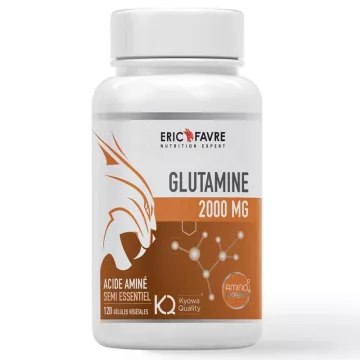
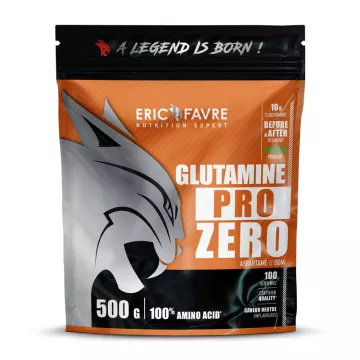
Glutamine is the most abundant free amino acid in the blood and muscles. Classified as conditionally essential, it must be obtained through diet or supplementation during times of increased demand, such as intense exercise, physiological stress, or convalescence. It is particularly well-known for its role in digestive health and immunity.
What is glutamine?
Glutamine is a non-essential amino acid under normal conditions, but it becomes conditionally essential during physiologically demanding states. It plays a role in protein synthesis, nitrogen transport between organs, and energy production for rapidly renewing cells—primarily enterocytes and immune cells. The body synthesizes it primarily in skeletal muscles from glutamate and ammonia. Learn about all the amino acids.
What is glutamine’s role in the gut?
Glutamine is the primary fuel for enterocytes (cells of the intestinal mucosa). It is essential for maintaining the integrity of the intestinal barrier.
- It helps maintain the intestinal mucosa and supports healthy bowel function
- A deficiency can weaken the epithelial barrier, increasing intestinal permeability
- It is used as a supplement in cases of digestive stress (irritable bowel syndrome, post-gastrointestinal surgery)—under medical supervision for confirmed conditions
- Combine with probiotics for enhanced support of the gut ecosystem
Glutamine and Immunity: What Are the Benefits?
Immune cells—lymphocytes and macrophages—use glutamine as their primary energy substrate.
- It helps ensure energy availability for immune cells during periods of stress or intense fatigue
- It supports the body’s natural defenses during convalescence or prolonged training
- Supplementation has been documented in contexts of severe physiological stress (post-surgery, extensive burns)
Glutamine and Sports: Muscle Recovery?
Skeletal muscles are the primary reservoir of glutamine. Intense exercise significantly depletes these reserves.
- Helps maintain muscle mass during periods of intensive training or cutting
- Supports athletic recovery by restoring plasma glutamine levels after exercise
- Combines effectively with BCAAs and creatine in recovery formulas
How should glutamine be used as a supplement?
Glutamine is easy to consume in several forms.
- Powder: 5 to 10 g dissolved in water, ideally after a workout or at bedtime
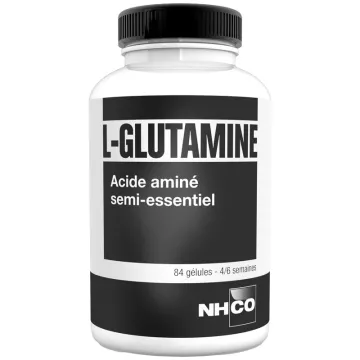
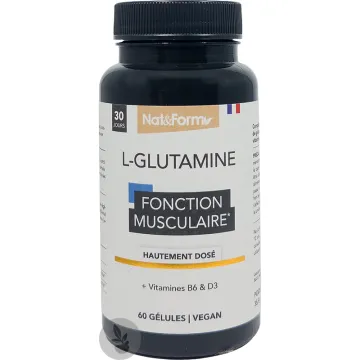
- Capsules or tablets: for precise dosing and convenient use outside of workouts
- Duration of use: 4 to 8 weeks, depending on your goal
- See also the specific form of L-glutamine as a free-form amino acid for optimized absorption
Are there any contraindications or precautions for glutamine?
Glutamine is well tolerated at recommended dosages; however, certain precautions should be taken.
- Severe kidney or liver failure: not recommended without medical advice
- Epilepsy: Glutamine is a precursor to glutamate (an excitatory neurotransmitter)—avoid without neurological consultation
- Cancer: Some tumors use glutamine as a substrate—do not supplement without medical approval
- Possible interactions with magnesium and vitamin B6—these combinations are generally well tolerated