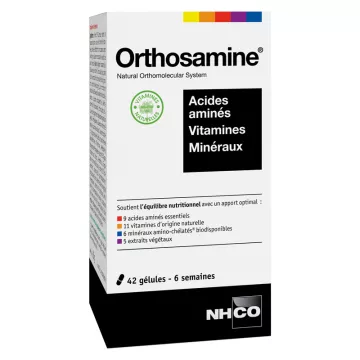
Amino acids are the building blocks of proteins. Of the 20 used by the body, 9 are considered essential because the body cannot synthesize them—they must be obtained through diet or supplementation. They play a role in muscle recovery, overall well-being, and general metabolism.
What is an essential amino acid?
An essential amino acid cannot be produced by the body and must be obtained through diet. The 9 essential amino acids are: leucine, isoleucine, valine (the 3 BCAAs), lysine, methionine, phenylalanine, threonine, tryptophan, and histidine. Nonessential amino acids can be synthesized by the body but become conditionally essential during periods of intense physiological stress (illness, intense training).
What are the benefits of amino acids for sports?
Amino acids contribute to several aspects of athletic performance and recovery, according to available EFSA data.
- BCAAs (leucine, isoleucine, valine): proteins help maintain and build muscle mass—consuming BCAAs after exercise promotes recovery
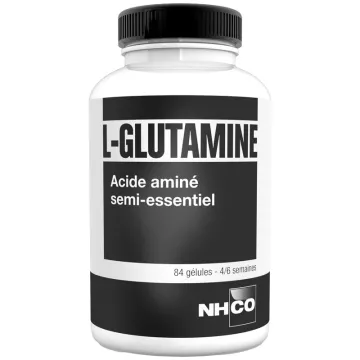
- Glutamine: the most abundant amino acid in the blood, contributes to the integrity of the intestinal mucosa and supports immune function
- Creatine: improves performance during repeated high-intensity exercise (EFSA-approved claim)
- L-glutamine: provides support during periods of intense training or recovery
Where can you find amino acids in your diet?
Dietary sources of complete proteins provide all the essential amino acids.
- Animal sources: lean meats, fish, eggs, dairy products — complete profile of essential amino acids
- Complete plant sources: quinoa and soy — the only plant sources containing all 9 essential amino acids
- Plant-based combinations: legumes + grains (lentils + rice, chickpeas + wheat) to complete the profiles
- Supplements: plant-based proteins, BCAAs, glutamine powder or capsules for athletes
What are the signs of an amino acid deficiency?
A prolonged deficiency in protein or specific amino acids can manifest in several ways.
- Chronic fatigue and decreased muscle mass
- Slow recovery after exercise
- Weakened immune system
- Brittle hair, fragile nails, dull complexion—linked to insufficient intake of cysteine/methionine via cystine and L-cysteine
- Sleep disturbances — tryptophan is a precursor to serotonin and melatonin
How to choose amino acid supplements?
The choice depends onthe user’sgoals and profile.
What precautions should be taken with amino acids?
Amino acid supplements are generally well tolerated, but some precautions are necessary.
- Follow the recommended dosages on the product labels—prolonged excessive intake can put a strain on the kidneys and liver
- Possible drug interactions: tryptophan with antidepressants (risk of serotonin syndrome), arginine with anticoagulants
- Not recommended in cases of severe kidney failure without medical advice
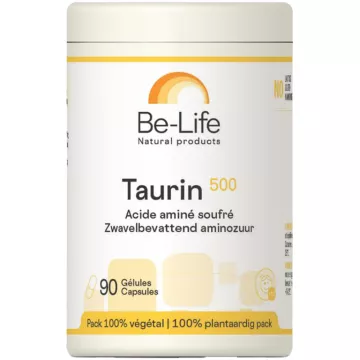
- Taurine and carnitine supplementation may be considered concurrently, depending on metabolic needs