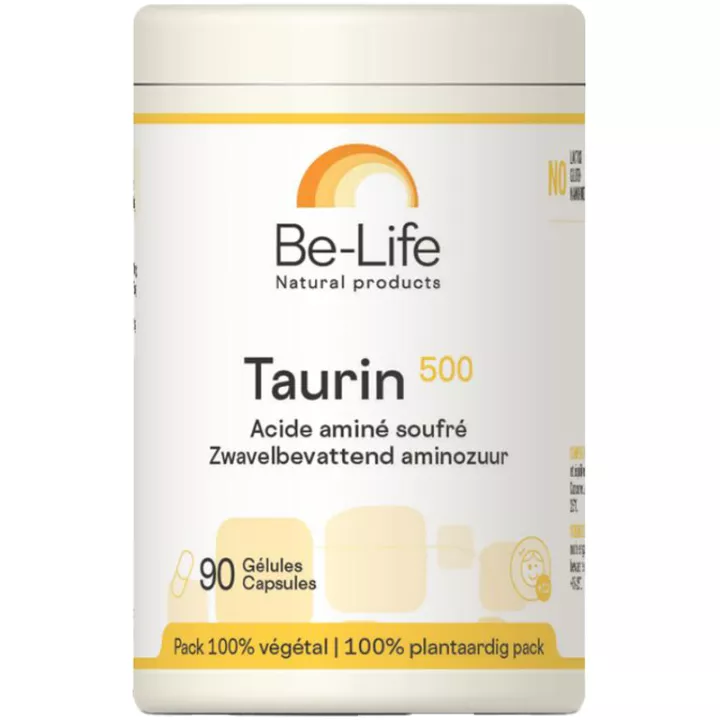
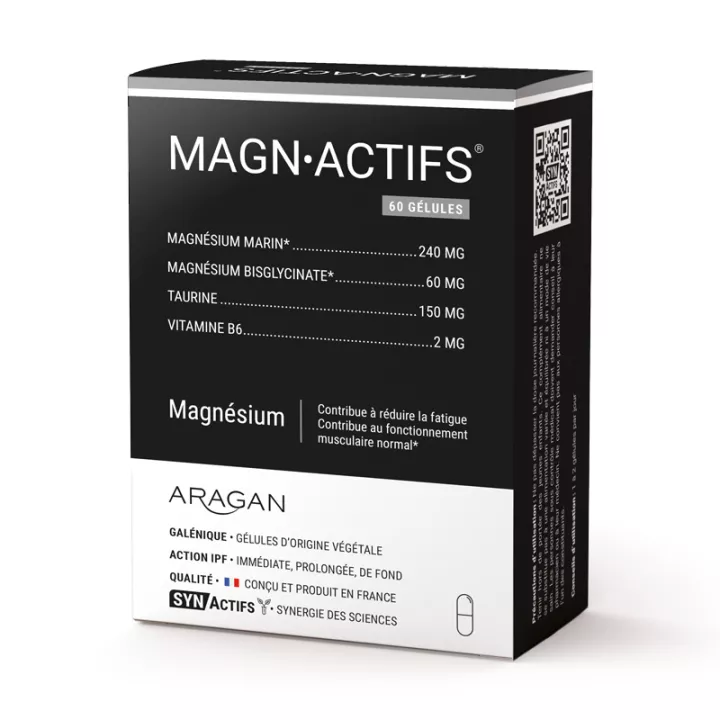
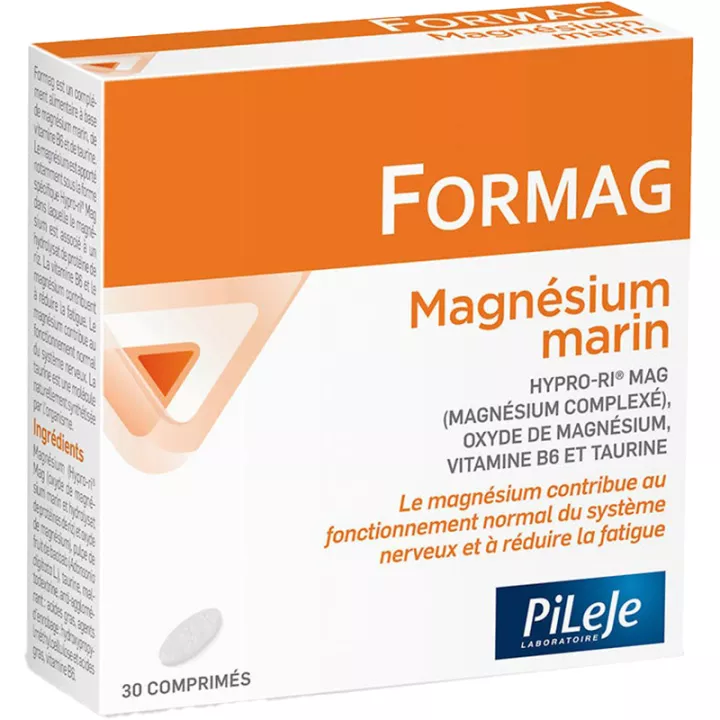
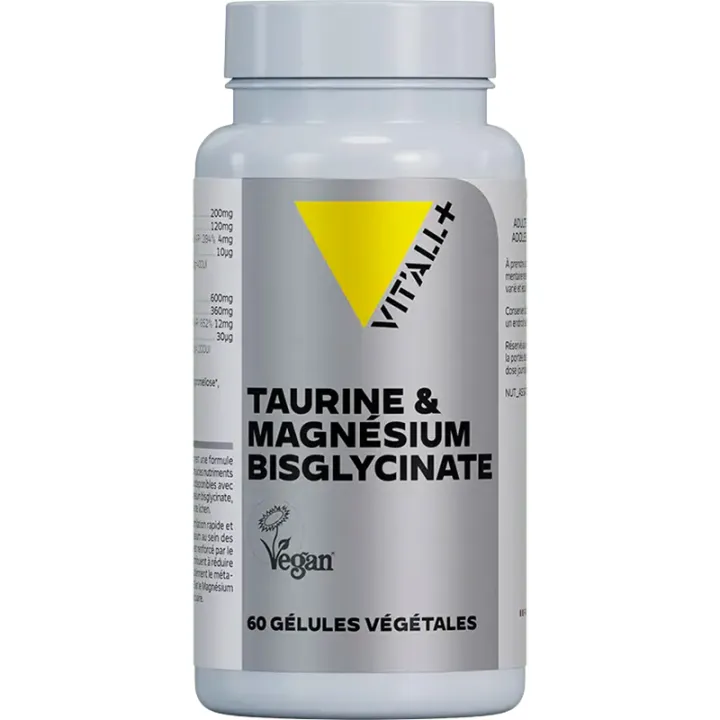
What is Be-Life Taurine 500 Sulfur-Containing Amino Acid 90 Capsules used for?
Bio-Life L-Taurine is a sulfur-containing amino acid found in many tissues, including the retina. It plays a role in several metabolic processes, particularly in the production of other amino acids such as methionine and cysteine. This is worth keeping in mind, given that each amino acid has its own role to play in the body. As an ideal magnesium binder (along with vitamin B6)—since many people have difficulty retaining magnesium over the long term—taurine is recommended for all conditions involvingcerebral and nervous system hyperexcitability that affect the heart.
Athletes use it to reduceammonia production during exercise, which helps prevent cramps and muscle soreness, and because it “mimics”insulin in the muscles, allowing for greater glucose storage. Taurineaids in detoxification and fightsinflammation. It’s also very effective for treating anxiety and stress (nervous tension), while providingenergy throughout the day.
As a result, taurine is an excellent dietary supplement for athletes and highly active individuals. It is also an antioxidant that plays an important role in maintaining healthy eyes, a healthy nervous system, and heart function. Taurine also promotes the elimination of cholesterol in bile, aids in fat absorption, and helps eliminate toxins.
Taurine plays an essential role in regulating cardiovascular health. In fact, it helps lower blood pressure, thereby promoting better blood circulation and reducing the risk of cardiovascular disease. Furthermore, taurine protects the heart by supporting its function and preventing oxidative damage. Thanks to its regulatory properties, it helps maintain optimal cardiac regulation, thereby ensuring the health and proper functioning of the circulatory system.
This taurine-based supplement also acts as a powerful antioxidant, protecting cells from damage caused by free radicals and thereby promoting overall health. In particular, it helps maintain eye health by protecting eye tissues from oxidative stress. Furthermore, taurine plays a crucial role in maintaining heart function by limiting inflammation and protecting heart cells from damage. This anti-inflammatory action helps reduce the risk of cardiovascular disease and preserve the health of the nervous system.
We also offer Be-Life Tyrosine 500 Amino Acid at the best price in our online pharmacy.
How should you use this sulfur-containing amino acid?
1 to 3 capsules per day, maximum
Share your feedback on the usage instructions and dosage of Be-Life Taurine 500 Sulfur-Containing Amino Acid with our partner Verified Reviews after your purchase.
Precautions for Use
- For internal use only
- Taurine should not be taken during pregnancy.
- Not recommended for breastfeeding women or children under 12 years of age.
- Consult a healthcare professional before exceeding the recommended daily intake in cumulative doses.
- Supplementation should be under medical supervision in cases of heart failure, epilepsy, or thyroid disorders.
- Keep out of reach of children
- Store in a dry place
- Not a substitute for a varied and balanced diet or a healthy lifestyle.
What are the ingredients in the capsules for preventing cramps?
Ingredients (per capsule)
L-Taurine (500 mg), coating agent: hydroxypropyl methylcellulose (+/- 85 mg), anti-caking agent: magnesium salts of fatty acids (10 mg), coating agent: pectin (10 mg).
Nutrition Facts (per 3 capsules)
L-Taurine: 1,500 mg
Packaging
Box of 90 capsules, available at the best price in our online pharmacy.
Advice from our pharmacy experts
Taurine is produced through the breakdown of the sulfur-containing amino acids cysteine and methionine. Contrary to popular belief, taurine itself is not an amino acid in the strict scientific sense of the term, as it does not contain a carboxyl group. More specifically, it is what is known as a sulfonic acid.
Taurine plays a major role in the body by maintaining organ and cellular functions. This is due to its ability to stabilize fluid balance within cells, its antioxidant effect, and its relatively high impact on the myocardium.