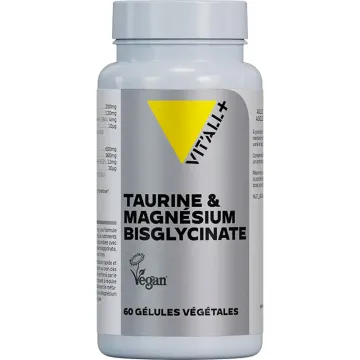
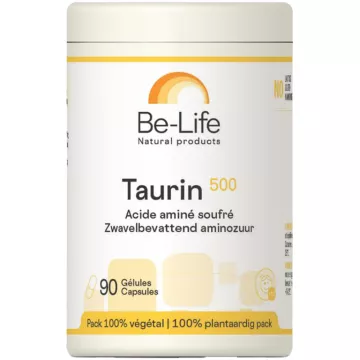
Taurine is a sulfur-containing amino acid that is naturally concentrated in the brain, heart, skeletal muscles, and retina. Unlike proteinogenic amino acids, it is not involved in protein synthesis but plays a regulatory role in nerve excitability, electrolyte balance, and cellular protection against oxidative stress. It is widely used in sports supplements and cognitive support formulas.
What is taurine and what is it used for?
Taurine is synthesized by the body from L-cysteine and methionine, with vitamin B6 acting as a cofactor. It plays a role in several essential functions.
- Electrolyte balance: regulates the flow of sodium, potassium, and calcium in muscle and nerve cells
- Neuroprotection: acts as a moderator of the central nervous system (partial GABA-mimetic action)
- Antioxidant: neutralizes free radicals in energy-demanding tissues (heart, muscles)
- Lipid metabolism: is a component of bile acids and contributes to fat emulsification
- See the full list of amino acids
Taurine and sports: what are the benefits for athletes?
Taurine is included in most pre-workout and recovery formulas due to its muscle-supporting and antioxidant properties.
- It helps maintain electrolyte balance in muscle cells, which helps reduce cramps
- It reduces oxidative stress caused by intense exercise, supporting athletic recovery
- Combined with creatine and BCAAs in performance formulas
- Its combination with caffeine is common in pre-workout boosters—it moderates the anxiety-inducing effects of caffeine
Taurine, Concentration, and the Nervous System?
Found in large quantities in the brain, taurine has a modulatory effect on the central nervous system.
- It modulates inhibitory neurotransmitters (GABA) and contributes to a state of alert calm
- It supports sleep quality by regulating excessive neuronal activity
- Combined with L-theanine in formulas designed tocombat mentalfatigue
- Antioxidant action on nerve and retinal tissues—the retina is one of the tissues richest in taurine
Where can taurine be found in the diet?
Taurine is found almost exclusively in foods of animal origin.
- Red meat and poultry: beef, turkey, chicken
- Fish and seafood: tuna, salmon, oysters, shrimp—the richest sources
- Dairy products: low levels
- Plant-based foods: virtually absent — vegans have significantly lower plasma taurine levels
- Supplementation is particularly important for people following a vegan diet
How should taurine be used as a supplement?
Taurine is available in several forms and serves different purposes.
- Typical dosage: 500 mg to 2 g per day, depending on the goal
- Athletes: up to 3 g per day, divided into two doses
- Timing: before a workout (boost) or after (recovery), depending on the formula
- Available forms: capsules, pure powder, combination formulas (taurine + creatine + BCAAs)
- Choose formulas free of artificial sweeteners and unnecessary additives, and GMP-certified
Are there any contraindications or precautions for taurine?
Taurine is well tolerated at recommended dosages. A few precautions should be observed.
- Severe heart conditions: Avoid supplementation without medical advice
- Do not combine with excessive caffeine intake (high-dose energy drinks)—risk of tachycardia and anxiety
- Pregnant and breastfeeding women: avoid as a precaution; insufficient data
- Do not exceed the recommended doses: digestive or nervous system disorders may occur at high doses