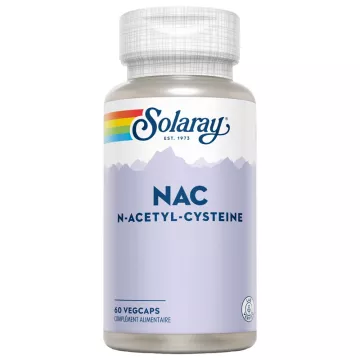
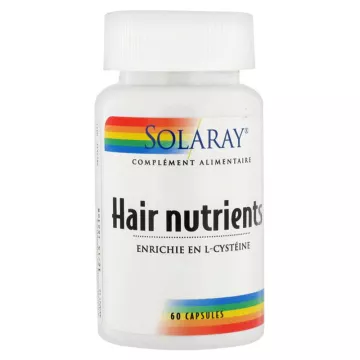
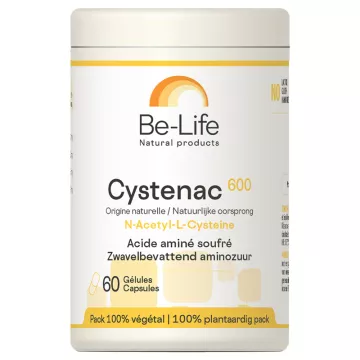
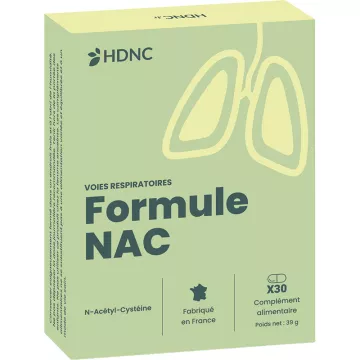
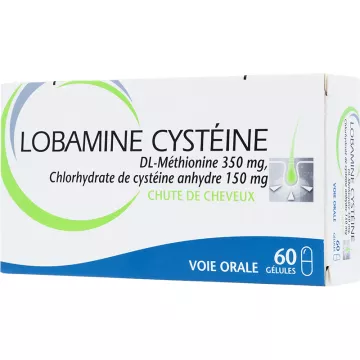
L-cysteine is the free, readily absorbable form of cysteine, a sulfur-containing amino acid. As a direct precursor to L-glutathione —one of the body’s most powerful cellular antioxidants—it differs from cystine (the dimeric form) in that it is absorbed more rapidly and plays a more direct role in antioxidant defense and liver function.
What is L-cysteine and what is it used for?
L-cysteine plays a role in three main biological pathways.
- Glutathione synthesis: It provides the thiol group (–SH), which gives glutathione its reducing and antioxidant properties
- Protein structure: its disulfide bonds are a component of the keratin in hair and nails
- Liver metabolism: The liver uses L-cysteine to produce glutathione and support its enzymatic functions
- See the full list of available amino acids
L-cysteine and glutathione: an antioxidant role?
Glutathione is synthesized from three amino acids (cysteine, glycine, glutamate)—L-cysteine is the rate-limiting factor in this synthesis.
- Glutathione protects cells against oxidative stress and free radicals
- It helps neutralize certain reactive compounds during liver metabolism
- L-cysteine supplementation is more effective at increasing glutathione levels than direct glutathione supplementation (due to low oral absorption)
- Combine with vitamin C and selenium to optimize glutathione synthesis
L-cysteine and the liver: what kind of liver support does it provide?
The liver is the primary organ responsible for producing glutathione. L-cysteine helps maintain hepatic glutathione levels.
- It supports the liver’s enzymatic functions related to the metabolism of xenobiotics
- During periods of increased liver stress (long-term medication use, environmental exposure)—always as a supplement, not as a substitute for medical care
- Can be combined with liver-supporting herbs such as milk thistle
- Not recommended without medical advice in cases of confirmed liver failure
L-cysteine and hair, nails, and skin?
Through keratin and glutathione, L-cysteine contributes to the health of skin appendages and the skin itself.
- It is a component of hair and nail keratin—complementing cystine in strengthening the hair and nail fibers
- Through glutathione, it protects the skin against oxidative stress and helps protect against premature skin aging
- Improves skin radiance by regulating melanogenesis—glutathione inhibits tyrosinase
- See our selection of supplements for hair and nail loss
How should L-cysteine be taken as a supplement?
Dosage and timing determine the effectiveness of supplementation.
- Usual dosage: 500 to 1,000 mg per day, taken in one or two doses
- Best taken on an empty stomach or between meals for optimal absorption
- Hair/nail treatment: at least 3 months (hair growth cycle)
- Optimal combinations: biotin + zinc for hair and nails; vitamin C + selenium for glutathione support
- Plant-based or fermented sources are recommended for vegan formulas
Precautions and contraindications for L-cysteine?
L-cysteine is generally well tolerated, but some precautions are necessary.
- Severe kidney failure: cysteine is excreted by the kidneys—not recommended without medical advice
- Do not combine with anticoagulants without medical advice—possible interaction
- Pregnant and breastfeeding women: Avoid supplementation without medical advice
- Mild digestive upset possible at high doses: reduce the dose or take in divided doses
- Active herpes: As with arginine, caution is advised—prefer L-glutamine as an alternative for immune support