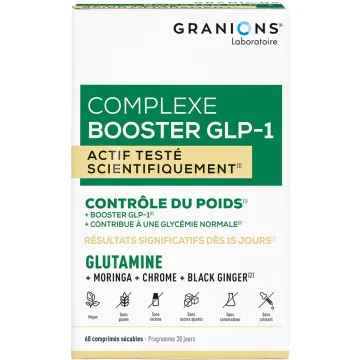
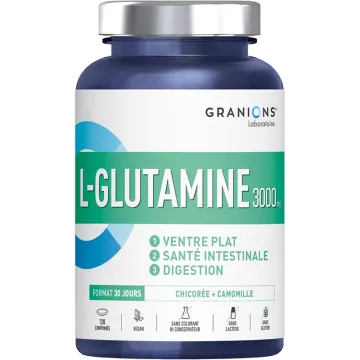
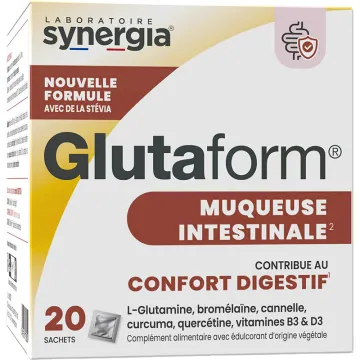
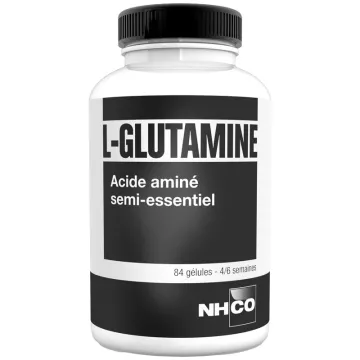
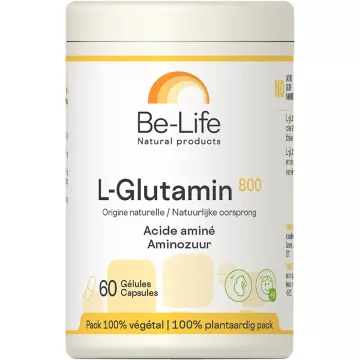
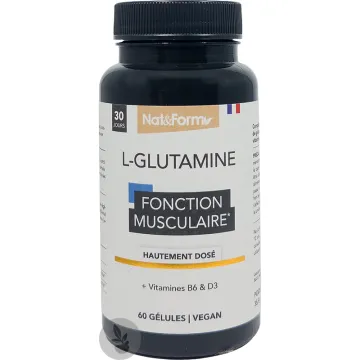
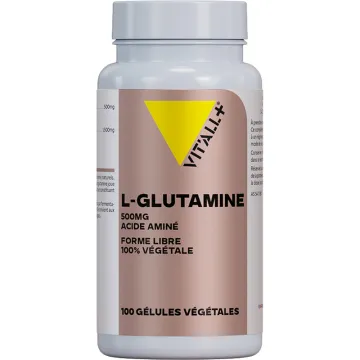
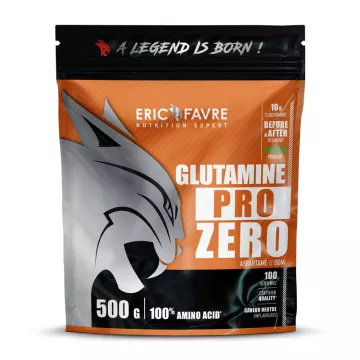
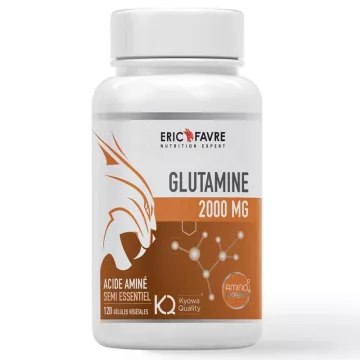
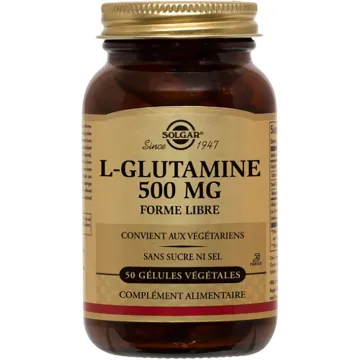
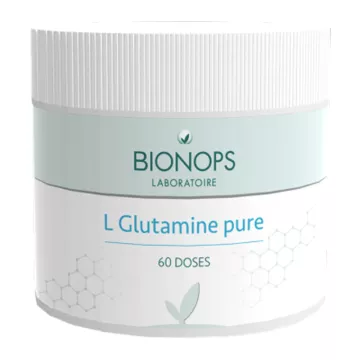
L-glutamine is the free, directly absorbable form of glutamine. It is the form used in virtually all sports supplements due to its superior bioavailability. It meets the increased needs during periods of intense training, cutting, or prolonged recovery.
L-glutamine vs. glutamine: what’s the difference?
L-glutamine is the natural stereoisomer (L-isomer) of glutamine. All glutamine found in dietary proteins and in the body is L-glutamine.
- Free form: not bound to a protein, directly available for intestinal absorption
- Higher bioavailability than peptide forms derived solely from food
- Rapid absorption after exercise—a key benefit for the anabolic window
- The standard form used in clinical studies on glutamine supplementation
L-glutamine and intense athletic recovery?
L-glutamine is particularly recommended for athletes with a high training volume.
- Rapidly restores plasma glutamine levels after prolonged exercise (>60 min)
- Helps maintain muscle mass during periods of calorie restriction (athletic recovery)
- Limits muscle catabolism during back-to-back workouts
- Works synergistically with BCAAs for recovery and with creatine for explosive performance
L-glutamine and digestive health in athletes?
Intense training causes stress on the intestinal mucosa due to a redistribution of blood flow. L-glutamine helps maintain intestinal integrity during exercise.
- The primary fuel for enterocytes—cells in the intestinal wall
- Helps support comfortable digestion during periods of intense training
- Combine with probiotics for comprehensive support of the gut-immune axis
How to Use L-Glutamine?
L-glutamine powder offers the dosing flexibility best suited for intense athletic activity.
- Typical sports dosage: 5 to 10 g per serving, 1 to 2 times a day
- Optimal timing: immediately after training + before bed for nighttime recovery
- Dilute in water or a recovery drink—avoid very hot liquids, which break down glutamine
- Take for 4 to 8 weeks; repeat during periods of intense training
L-glutamine and athletes’ immune systems?
Overtraining syndrome is often associated with a drop in plasma glutamine levels, which weakens the immune system.
- Immune cells use glutamine as their primary energy source
- L-glutamine supplementation supports the body’s natural defenses during periods of intense training
- Complements magnesium and B vitamins inanti-fatigue formulas
Are there any specific precautions regarding L-glutamine?
The same as for glutamine in general, with a few points specific to the free-form version.
- Do not exceed the recommended dose: doses above 40 g/day may cause neurological disorders—follow the product’s dosage instructions
- Renal or hepatic insufficiency, epilepsy, or cancer: not recommended without medical advice
- Pregnant and breastfeeding women: Avoid supplementation without medical advice
- Well tolerated at typical sports dosages (5 to 10 g/day)