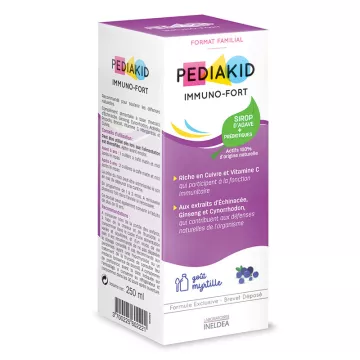
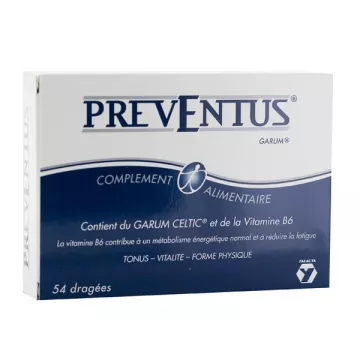
Why and how can you boost your immunity naturally?
Boosting your natural immunity involves optimizing the conditions under which the cells and molecules of the immune system function. Unlike medications that target a specific pathogen, natural approaches generally strengthen the body’s ability to respond to all types of threats. This preventive strategy is particularly effective before and during the fall and winter. To learn about the biological mechanisms of immunity, visit our immune defenses page.
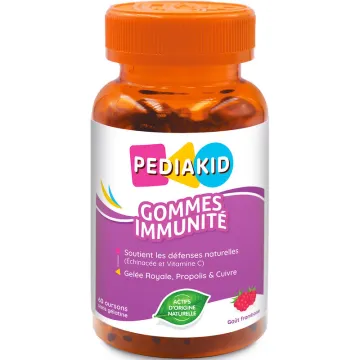
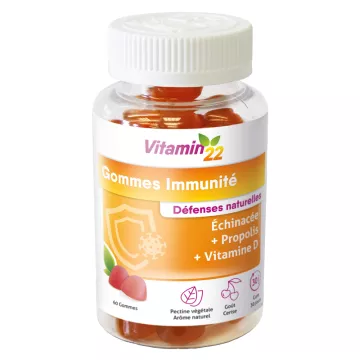
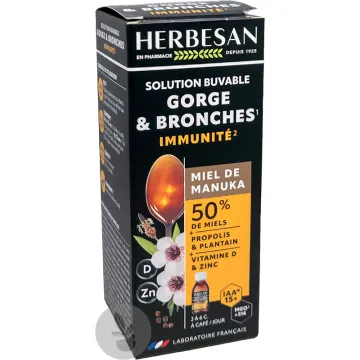
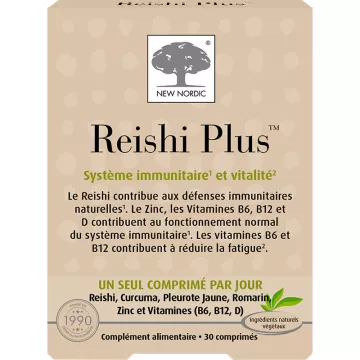
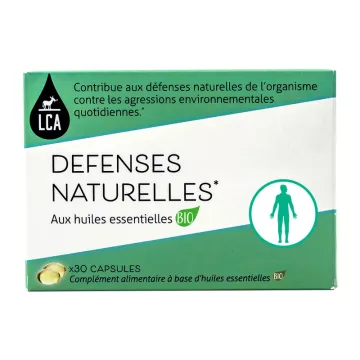
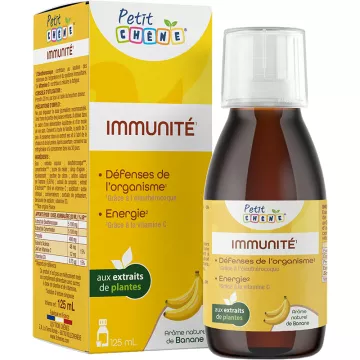
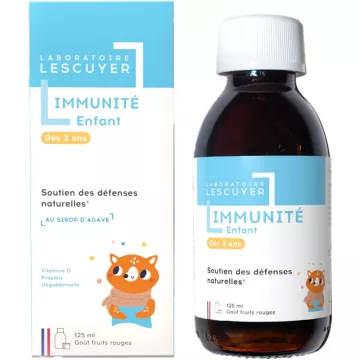
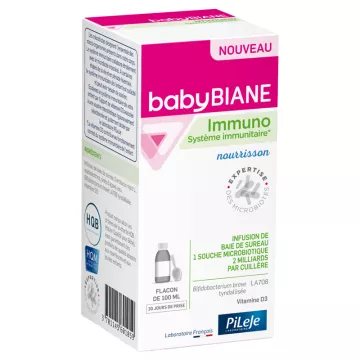
Discover our immunity product line, our natural antioxidant formulas, and our probiotic supplements.
- The 5 pillars of natural immune support: diet — sleep — stress management — moderate physical activity — microbiome — these five factors work in synergy, and their combined effect far exceeds that of any single intervention
- Fall and winter: the key period: reduced sunlight → vitamin D3 deficiency (weakened innate immunity) — cold weather → more resilient viruses in the air — time spent indoors → more frequent cross-contamination — end-of-year fatigue → reduced stress resistance — start preparing your immune system as early as September
- Signs that your immune system needs a boost: recurrent ENT infections (> 4–6 per year in adults) — colds lasting more than 10 days — slow healing — persistent fatigue after an infection — recurrent cold sores — recurrent urinary tract infections
- Populations requiring special attention: older adults (immunosenescence + less sun exposure) — children in group settings (increased exposure to pathogens) — healthcare professionals — people under chronic stress or experiencing burnout — endurance athletes (post-exercise immunosuppression) — pregnant women (immunotolerance + increased needs)
- What natural immunity is not: high-dose supplementation with antioxidants or herbal remedies is no substitute for a healthy lifestyle — a single factor is not enough — natural immunity is built on daily habits
Diet and the Microbiome for Boosted Immunity
- Daily dietary rainbow: orange/red (beta-carotene, lycopene, anthocyanins—peppers, tomatoes, berries) — dark green (sulforaphane, folates, vitamin K—broccoli, kale, spinach) — yellow (lutein, zeaxanthin — corn, squash) — purple (resveratrol, anthocyanins — grapes, blueberries, eggplant) — white/beige (allicin — garlic, onion, leek) — each color provides distinct immune-boosting phytonutrients
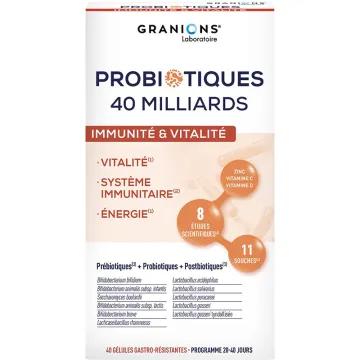
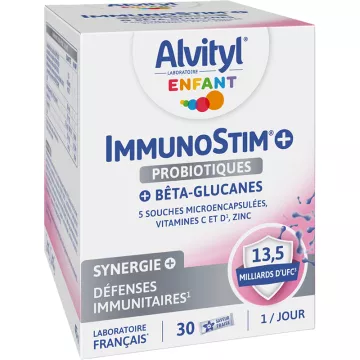
- Gut Microbiota and Immunity: 70–80% of immune cells reside in the GALT (gut-associated lymphoid tissue)—nourishing the microbiota = strengthening immunity at the source—daily fermented foods: kefir, plain yogurt, miso, raw sauerkraut, kimchi — prebiotics (soluble fiber): leeks, onions, garlic, Jerusalem artichokes, slightly green bananas — find our probiotic formulas at pharmacies
- Seasonal immune-boosting foods: raw garlic (allicin—antimicrobial + immune stimulant—2 crushed cloves/day)—fresh ginger (gingerols + shogaols—anti-inflammatory + antiviral) — green tea (EGCG — stimulates NK lymphocytes + antiviral) — shiitake and oyster mushrooms (beta-glucans — activate macrophages) — lemon with bioflavonoids (vitamin C + hesperidin) — turmeric + black pepper (curcumin + piperine — anti-inflammatory + immunomodulator)
- Limit dietary immunosuppressants: refined sugars (temporarily inhibit phagocytosis for 2–5 hours after ingestion) — alcohol > 1–2 drinks/day (reduces T and NK cells) — trans fats (chronic inflammation) — ultra-processed foods high in additives (dysbiosis + inflammation) — Mediterranean diet = benchmark
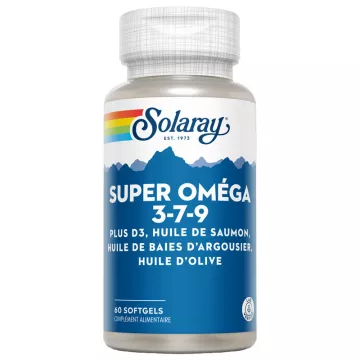
- Omega-3 EPA and DHA: reduce low-grade chronic inflammation that erodes immunity — improve lymphocyte membrane fluidity — 1–2 g EPA+DHA/day — sardines, mackerel, salmon, herring 2–3 times/week
Key plants and micronutrients for natural immunity
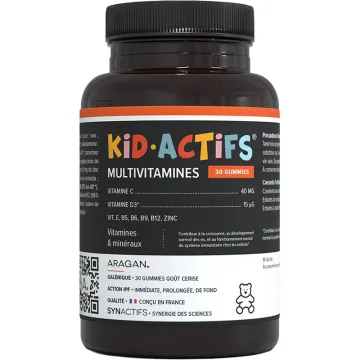
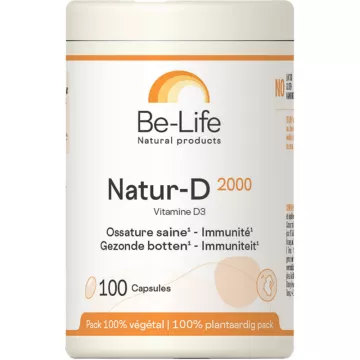
- Vitamin D3: D3 deficiency is the leading factor in immune system weakness during fall and winter (80% of French people are deficient) — activates macrophages and the production of antimicrobial peptides (defensins) — supports adaptive immunity — 1,000–2,000 IU/day from October through March — start as early as September without waiting for symptoms to appear
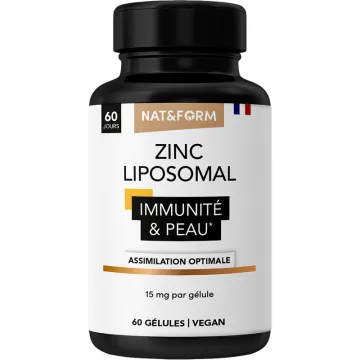
- Zinc: essential for the development and activity of T cells, B cells, and NK cells — reduces the duration of a cold by 33% if taken within 24 hours of the first symptoms — zinc gluconate or bisglycinate 10–15 mg/day — do not take on an empty stomach (nausea) — visit our dedicated page
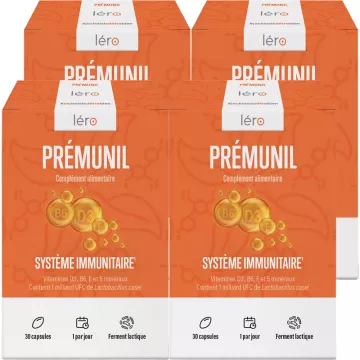
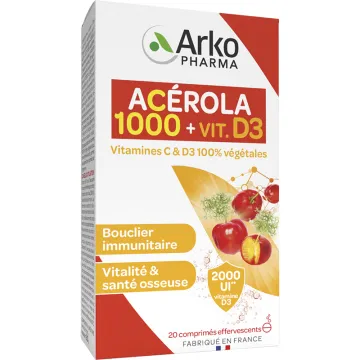
- Acerola (natural vitamin C): vitamin C with natural bioflavonoids — stimulates neutrophils, NK cells, and antibody synthesis — 500–1,000 mg/day for winter prevention — combine with zinc and vitamin D3 for a synergistic effect — visit our dedicated page
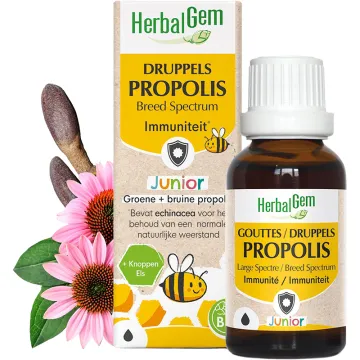
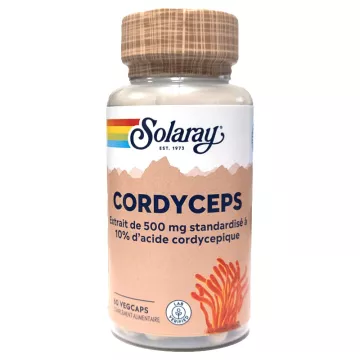
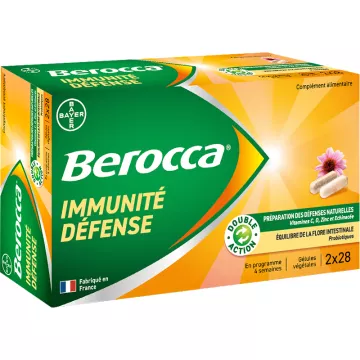
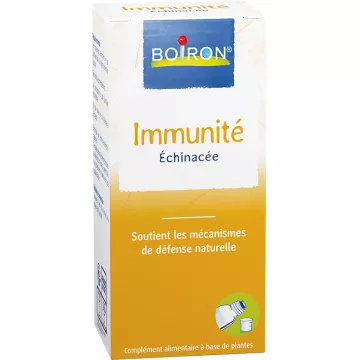
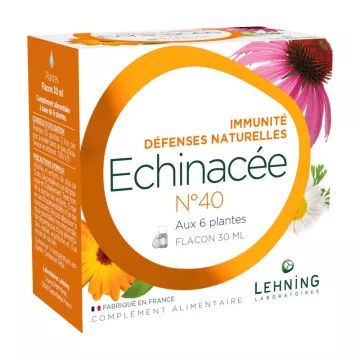
- Echinacea: the gold standard in immune-stimulating plants — stimulates macrophages, NK cells, and cytokine production — take for 8–10 days at the first signs of infection or upon exposure (travel, outbreak) — do not use continuously throughout the season — see our dedicated page
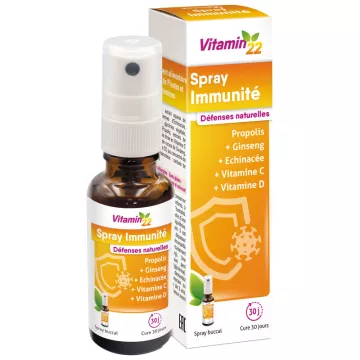
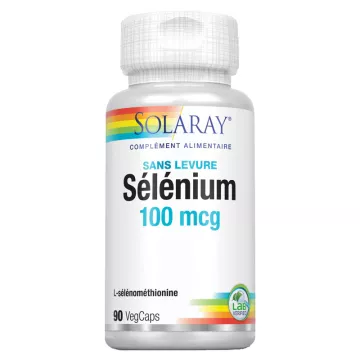
- Propolis and selenium: propolis (antimicrobial + antiviral + immunostimulant; use as an ENT spray for prevention or as soon as symptoms appear) — selenium (GPx protects immune cells from oxidative stress; selenomethionine 100 µg/day) — visit our dedicated pages
Sleep, stress, exercise, and treatment cycles
- Sleep: the body’s primary natural immune stimulant: during deep sleep, the body produces cytokines (IL-1, IL-6, TNF-α) that strengthen the immune system—a single night of sleep lasting less than 6 hours quadruples the risk of rhinovirus infection — 7–9 hours per night + regular sleep schedule + cool, dark bedroom — 300 mg of magnesium bisglycinate in the evening to promote falling asleep and deep sleep
- Managing chronic stress: Cortisol is the primary endogenous immunosuppressant — it suppresses T cells, NK cells, and antibody production — cardiac coherence (365, 3 times a day) — meditation — yoga — walking in nature — see the “stress” section for adaptogenic supplements (rhodiola, ashwagandha)
- Moderate physical exercise: 30–45 minutes of aerobic activity 3–5 times a week increases the circulation of NK lymphocytes and T cells — improves the immune response to vaccines — reduces the risk of respiratory infections by 40–50% compared to sedentary individuals — intense exercise (competition, ultra-trail) temporarily creates a window of immunosuppression → to be offset by recovery
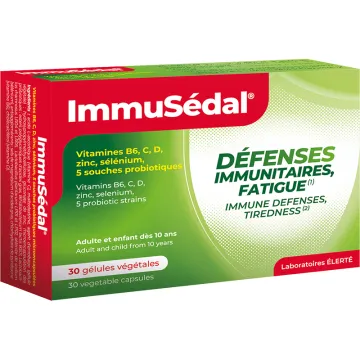
- Organizing fall-winter regimens: September = start taking vitamin D3 + zinc + acerola + probiotics — October–November = add echinacea or propolis in an 8–10-day course if there is increased exposure or early symptoms — December–March = maintain micronutrient foundation + supplement with herbs in short courses if necessary — March–April = continue vitamin D3 until the sun returns
- Essential basic hygiene: handwashing (soap and water for 30 seconds — reduces the risk of respiratory virus transmission by 40–50%) — ventilate rooms (15 min/day even in winter — dilutes the concentration of airborne viruses) — stay hydrated (well-hydrated mucous membranes = an effective physical barrier) — find all of our solutions on our immunity page