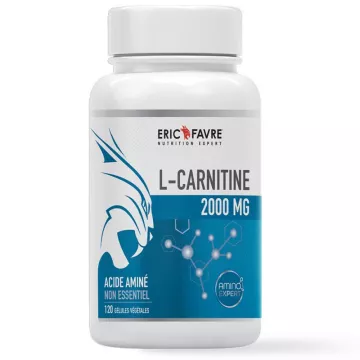
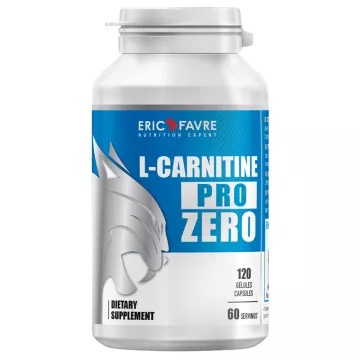
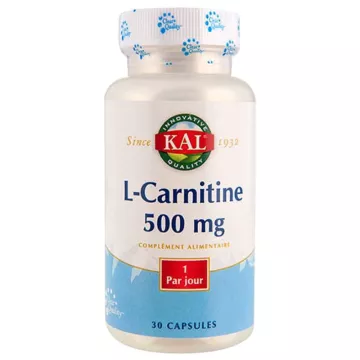
Carnitine is a compound derived from the amino acids lysine and methionine, synthesized by the body in the liver and kidneys. It is best known for its role as a shuttle in transporting long-chain fatty acids to the mitochondria, where they are converted into energy. It is one of the most widely used nutritional supplements in sports nutrition.
What is carnitine, and what is it used for?
Carnitine acts as a mitochondrial shuttle: it transports long-chain fatty acids into the mitochondria, where they are oxidized (beta-oxidation) to produce ATP. Without carnitine, fats cannot enter the mitochondria and are therefore unusable as an energy substrate. The body synthesizes it from lysine and methionine, with vitamin C and iron as cofactors. See the full list of available amino acids.
Which forms of carnitine should you choose?
There are four forms, each with distinct properties and uses.
- L-carnitine: the most abundant natural form and the most extensively studied—used for sports and general health
- Acetyl-L-carnitine (ALC): higher solubility; studied for its effects on cognitive function and neurological health
- Propionyl-L-carnitine (PLC): concentrated in muscle cells, studied for its effects on blood circulation
- D-carnitine: non-functional form, best avoided—may interfere with active L-carnitine
- For sports use: choose L-carnitine or acetyl-L-carnitine, GMP-certified
Carnitine and sports: What benefits can be expected?
Carnitine is incorporated into sports programs primarily for its role in lipid metabolism during exercise.
- It promotes the use of fatty acids as an energy substrate during prolonged exercise (endurance)
- Helps conserve muscle glycogen stores during prolonged endurance exercise
- Supports athletic recovery and reduces perceived post-exercise fatigue in some studies
- Combine with BCAAs and creatine in recovery formulas
- Effects vary depending on dosage, form, and the athlete’s profile—scientific results remain mixed
Where can carnitine be found in the diet?
Carnitine is found almost exclusively in foods of animal origin.
- Red meat (beef, lamb): the richest sources
- Poultry and fish: lower levels
- Dairy products: contribute to daily intake
- Plants and grains: virtually no carnitine—vegans may have lower intakes, which are partially compensated for by endogenous synthesis
How should a carnitine supplement be used?
The dosage depends on the goal and circumstances.
- General use or prevention: 500 mg to 2 g of L-carnitine per day, taken in one or two doses
- Intense exercise: 2 to 3 g per day, preferably before exercise or post-workout
- Older adults or vegans: 1 to 2 g as a course of treatment, in conjunction with a varied diet
- Start with a low dose and adjust according to individual tolerance
Carnitine and the heart muscle: what does the research say?
Carnitine is studied in a cardiovascular context for its role in fatty acid metabolism in the heart.
- It is essential for preventing the accumulation of unoxidized fatty acids in myocardial cells
- Forms such as L-carnitine and propionyl-L-carnitine have been studied in certain cardiac conditions—the results are mixed
- No established therapeutic recommendations—do not use it as a substitute for prescribed medical treatment
- Possible interactions with anticoagulants and thyroid hormones—inform your doctor