What is a flat stomach, and what are the main obstacles to achieving one?
A flat stomach isn’t just a matter of abdominal fat—it’s often a combination of several factors that cause the abdomen to bulge and round out, regardless of body composition. The main obstacles to a flat stomach are: subcutaneous fat (visible to the touch, responsive to diet and exercise), visceral fat (deep-seated, surrounding the organs, linked to metabolic syndrome), functional bloating (intestinal gas, water retention), lack of tone in the deep abdominal muscles, and poor posture that pushes the abdomen forward. An effective approach targets each of these factors specifically.
What is the difference between visceral fat and subcutaneous abdominal fat?
Abdominal fat is divided into two types with very different implications:
- Subcutaneous fat (“soft” belly”): stored between the skin and the muscles. Unsightly but not particularly dangerous from a metabolic standpoint. Responds to a moderate calorie deficit and regular exercise.
- Visceral fat (“hard” belly, “love handles”): stored around the internal organs. Metabolically active and pro-inflammatory—it increases the risk of type 2 diabetes,high blood pressure, and cardiovascular disease. It is more resistant to diet alone but responds well to a combination of HIIT, reduced sugar intake, and stress management (cortisol).
Waist circumference (>94 cm in men, >80 cm in women) is the primary indicator of pathological visceral fat accumulation requiring medical management.
How can you reduce bloating for a flatter stomach?
Bloating can make your stomach look round even in the absence of abdominal fat. To reduce it:
- Identify and limit fermentable foods (FODMAPs) if irritable bowel syndrome is a factor.
- Promote regular bowel movements through soluble fiber, prebiotics, and adequate hydration (1.5–2 L/day).
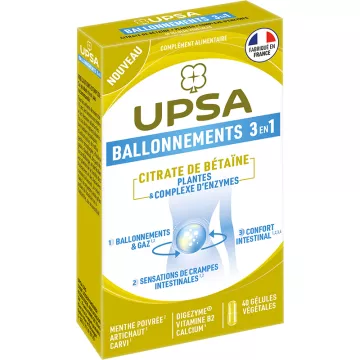
- Artichoke: With its cholagogue and carminative properties, it reduces intestinal fermentation and aids in the digestion of fats, thereby reducing postprandial bloating.
- Eat slowly (at least 20 minutes) to avoid swallowing air, the main cause of postprandial bloating.
- Limit carbonated beverages, unsoaked legumes, and raw cruciferous vegetables in sensitive individuals.
In cases of underlying chronic constipation, recurrent bloating will persist until bowel function normalizes—treat the underlying cause before focusing on the abdomen.
What exercises are most effective for a flat stomach?
Core strengthening is more effective than traditional sit-ups for a lasting flat stomach:
- Front and side planks (static core exercises): strengthen the deep muscles (transverse abdominis, obliques) that naturally “corset” the abdomen.
- Abdominal vacuum: an isometric contraction of the transverse abdominis, very effective for slimming the waist without external resistance.
- 20–30-minute HIIT sessions: burn visceral fat more effectively than prolonged moderate-intensity cardio.
- Pilates: strengthens the deep abdominal core by engaging the pelvic floor and trunk stabilizers.
What role do insulin and cortisol play in abdominal fat?
Two hormones primarily govern abdominal fat storage:
- Insulin: Frequent blood sugar spikes (from fast-acting carbs) maintain chronic hyperinsulinemia, which directs fat storage toward visceral fat and inhibits abdominal lipolysis.
- Cortisol: the chronic stress hormone activates glucocorticoid receptors, which are particularly dense in abdominal visceral adipose tissue—which is why stress is a direct contributor to “cortisol belly.”
Reducing fast-acting sugars, managing stress, and getting enough sleep are the three most effective interventions for these two hormonal mechanisms—even more so than calorie restriction. A lipid profile (cholesterol, triglycerides) is recommended in cases of excessive visceral fat to assess overall metabolic risk.