What foods should you prioritize to improve your digestive health?
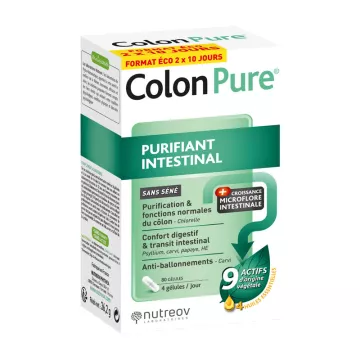
Improving digestive regularity starts first and foremost with strategic food choices—certain foods act as natural regulators of the colon. Our line of flat-stomach supplements and our probiotics complement these strategies for long-term digestive regularity.
- Prunes and dried figs: rich in soluble fiber + sorbitol (a sugar alcohol with a natural osmotic effect) → stimulate colon motility — 4–6 prunes or 3–4 figs in the morning or evening — most effective against functional constipation
- Soluble fiber (oats, apples with skin, pears, carrots, pectin): forms a gel in the colon → softens stools + slows down excessively rapid bowel movements — beneficial for both types of bowel movement
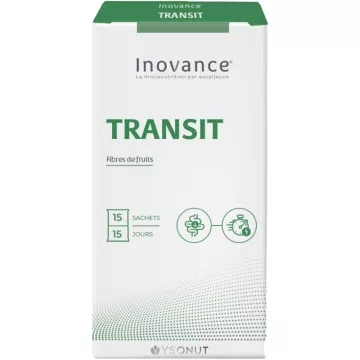
- Insoluble fiber (wheat bran, raw green vegetables, whole grains, nuts): adds bulk to stools and speeds up colonic transit — increase intake gradually (risk of bloating if introduced too quickly)
- Fermented foods: kefir, yogurt, sauerkraut, kimchi, miso — diversify the gut microbiota and normalize motility — should be incorporated daily into your probiotic regimen (available at pharmacies)
- Food diary: Record foods + time + bowel movement consistency for 2–4 weeks — identify personal triggers and regulators — an essential tool for personalizing an anti-constipation diet
Natural supplements to stimulate digestive transit
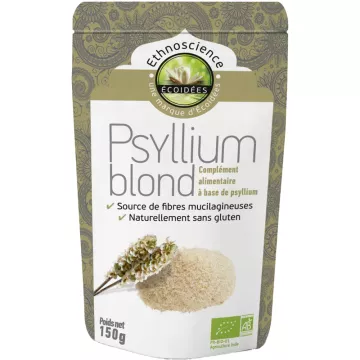
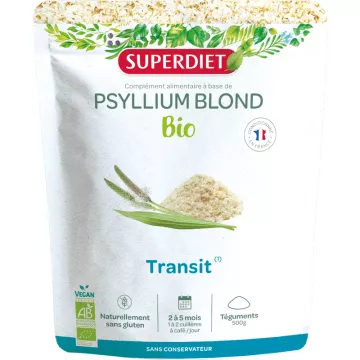
- Blond psyllium (Plantago ovata): the gold standard in mucilaginous fiber—3–5 g in a large glass of water 1–2 times a day—regulates both slow and accelerated bowel movements—take with at least 250 mL of water (risk of blockage if insufficient)
- Probiotics Targeted for Bowel Motility: Bifidobacterium lactis (constipation, accelerates colonic transit) — Lactobacillus rhamnosus GG (diarrhea, strengthens the intestinal barrier) — buffered formulas available based on your profile
- Peppermint essential oil (enteric-coated capsules): colon antispasmodic + motility regulator — recommended for irritable bowel syndrome with irregular bowel movements — 1–2 enteric-coated capsules before meals
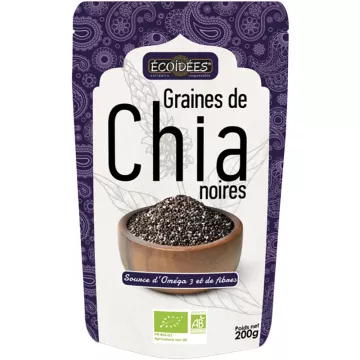
- Flaxseeds (1–2 tablespoons/day soaked in water): mucilage + anti-inflammatory omega-3s — natural lubrication of the colon + improved stool consistency
- Herbal teas that promote bowel movement: chamomile (antispasmodic) + ginger (prokinetic) + anise + fennel (carminative) — drink after meals to support digestion and colon motility
Hydration, exercise, and a daily routine that promotes bowel movement
- Warm water on an empty stomach in the morning: triggers the gastrocolic reflex — stimulates colon contractions upon waking — add a splash of lemon juice to enhance the effect — drink 1–2 large glasses within 10 minutes
- Hydration: 1.5–2 L/day: Water softens stools by absorbing fiber in the colon — essential for fiber to work properly — choose still water (carbonated drinks = bloating)
- Physical exercise 30 min/day: brisk walking, swimming, cycling, yoga—stimulates colonic peristalsis—a 15–20-minute post-meal walk is particularly effective—yoga poses (twists, knees-to-chest) release gas and stimulate bowel motility
- Bathroom routine: Go to the bathroom at the same time every morning (20 minutes after waking up or after breakfast)—the morning gastrocolic reflex is the strongest of the day—never ignore the urge (this gradually inhibits the reflex)
- Toilet position: use a footstool (natural squatting position) — reduces pressure on the pelvic floor — improves the anorectal angle → easier bowel movements — proven effect on distal constipation
Laxatives, FODMAPs, and When to Seek Medical Advice
- Osmotic laxatives (macrogol, lactulose): effective and well-tolerated for constipation — draw water into the colon — no risk of dependence — preferred if fiber intake is insufficient — see our page on bowel movement disorders
- Stimulant laxatives (bisacodyl, senna): fast-acting but carry a risk of dependence and hypokalemia with prolonged use — reserved for occasional constipation — never use for more than 8–10 consecutive days without medical advice
- FODMAP diet for IBS with irregular bowel movements: 6–8 weeks of eliminating fermentable carbohydrates + gradual reintroduction — improves irritable bowel syndrome in 75% of cases — under dietary supervision
- Stress management: cortisol directly disrupts colonic motility — cardiac coherence 3 times/day + meditation + CBT — the brain-gut axis is fundamental in functional bowel disorders
- See a doctor if: persistent constipation lasting > 3 weeks despite fiber, hydration, and exercise — blood in the stool — weight loss — sudden change after age 50 — bowel movements for a comprehensive assessment of warning signs