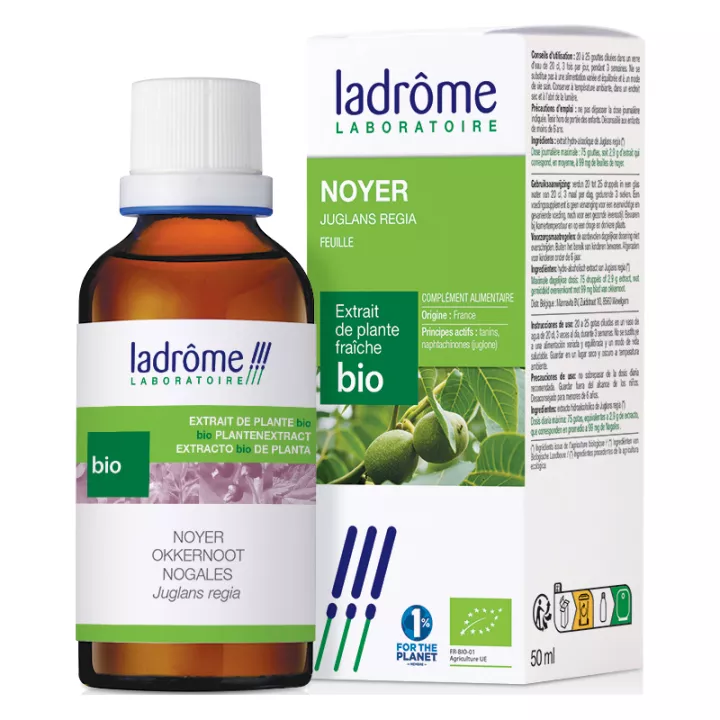
What is Phytobiane Noyer used for?
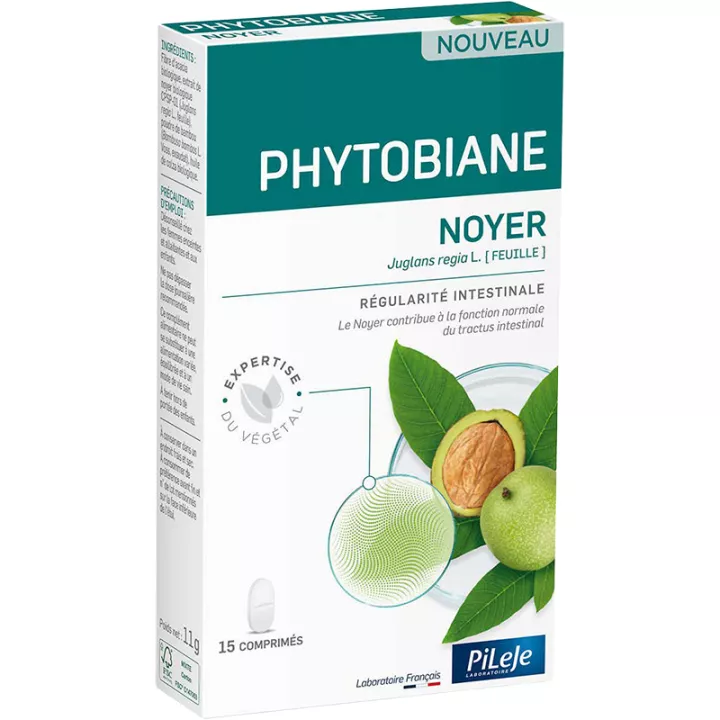
For over 20 years, Laboratoire PiLeJe has been developing unique expertise in plant-based products by combining traditional knowledge of plants with the latest advances in scientific, agronomic, and clinical research. The plants used undergo a rigorous selection process that adheres to strict specifications, ensuring their purity, efficacy, and traceability. This expertise is fully reflected in the Phytobiane line, in which the walnut tree stands as an iconic example of the balance between science and nature.
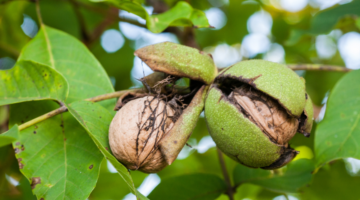
The walnut tree (Juglans regia L.) is a majestic tree that fascinates as much for its fine wood as for its leaves, which are rich in active compounds. In phytonutrition, it is these leaves that are of particular interest to researchers. Their composition of tannins, phenolic acids, and flavonoids provides a true synergy of action within the body. These natural substances help maintain intestinal comfort, supporting regular and harmonious bowel movements. The walnut tree acts as a valuable ally for digestive function in cases of temporary imbalances.
Walnut leaves also exhibit powerful antioxidant activity, thanks to their ability to neutralize free radicals. In vitro studies show that this effect is even greater than that of certain benchmark antioxidants such as BHA or vitamin E (α-tocopherol). This protective effect helps shield cells from oxidative stress, thereby boosting the body’s overall vitality and contributing to greater digestive resilience against external stressors.
In terms of antimicrobial activity, walnut leaves are distinguished by their anti-infective properties. They limit the proliferation of certain pathogenic bacteria such as Bacillus cereus or Staphylococcus aureus, which are often responsible for digestive disorders. They also exhibit natural antifungal activity, which is useful for preventing microbial imbalances that canimpair gut health. This dual protective effect makes them an excellent choice for restoring a healthy digestive balance.
The tannins found in walnut are known for their anti-diarrheal effect. Their astringent properties help tighten the intestinal mucosa, reducing excessive secretion of water and electrolytes while limiting digestive spasms. These combined actions help relieve intestinal discomfort, particularly in cases of infectious diarrhea. As a result, walnut supports smoother digestion and lasting intestinal comfort.
The walnut selected for Phytobiane comes from organic-certified orchards in Ardèche, cultivated without synthetic chemicals. The leaves are harvested at maturity, when their concentration of active ingredients is at its peak. Thanks to the exclusive extraction process of the PiLeJe Phyto-Signature Complex (CPSP), each extract retains its full biological potential. This attention to detail allows Phytobiane Walnut to offer a natural, comprehensive, and effective solution to promote bowel regularity, protect the digestive lining, and support gut flora.
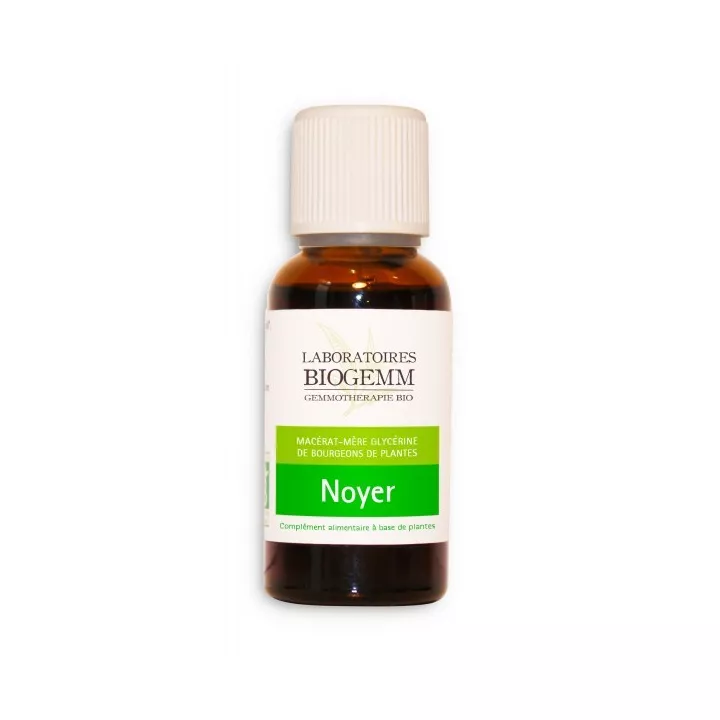
To complement the benefits of walnut, Herbalgem Organic Walnut Mother Tincture 30 ml may be recommended to strengthen intestinal balance and naturally optimize digestive comfort.
How to Use This Walnut-Based Supplement?
Directions for Use
Take 1 to 2 tablets daily, swallowed with a large glass of water, preferably with a meal for better absorption of the active ingredients.
Share your feedback on the usage instructions and dosage of Phytobiane Walnut with our partner Avis Vérifiés after your purchase.
Precautions
- Not recommended for pregnant or breastfeeding women, or for children.
- Do not exceed the recommended daily dose.
- This dietary supplement is not a substitute for a varied and balanced diet or a healthy lifestyle.
- Store in a cool, dry place, away from light.
- Best consumed before the date indicated on the package.
- Keep out of reach of young children.
What are the ingredients in these Regular Bowel Movement Tablets?
Ingredients
Organic Acacia Fiber, Organic Walnut Extract CPSP-01 (Juglans regia L., Leaf), Bamboo Powder (Bambusa bambos L. Voss, Exudate), Organic Canola Oil.
Nutritional Information
| Average Analysis |
Per 2 tablets |
| CPSP-01 Walnut Extract from organic farming |
560 mg |
| of which total flavonoids expressed as hyperoside |
28 mg |
Product Details
Box of 15 tablets, available at the best price online.
Expert Advice and Recommendations
In naturopathy, black walnut is often used in treatments designed to restore balance to the gut flora and strengthen the digestive mucosa after a period of imbalance (such as taking antibiotics, experiencing stress, or changing one’s diet). To enhance its effectiveness, it can be combined with a diet rich in soluble fiber (legumes, oats, psyllium) and adequate daily hydration.
A sufficient intake of natural probiotics (yogurt, kefir, miso) also helps restore intestinal balance. Finally, a balanced lifestyle—gentle physical activity, stress management, and mindful eating—remains the best ally for a harmonious and sustainably soothed digestive system.
Are functional bowel disorders common?
Functional bowel disorders (FBD) are the most common type of intestinal condition. They affect 15 to 20% of the population and are more common in women than in men. Symptoms generally begin before the age of 30. Not all people who suffer from them seek medical advice. Synonyms include: functional colopathy and irritable bowel syndrome.