What is diaper rash?
Diaper rash refers to any skin irritation that appears in the area covered by a diaper: the buttocks, groin folds, genital area, and upper thighs. It ranges from a simple, temporary redness after a delayed diaper change to full-blown diaper rash. Very common in infants, it affects the majority of babies at least once before the age of 2.
Identifying redness at the first signs allows for early treatment and prevents it from progressing to a more severe form or a secondary infection. The first signs are a pink or light red discoloration of the skin, which feels slightly warm to the touch, sometimes accompanied by the baby’s discomfort during a diaper change. Without treatment, it can quickly worsen into established diaper rash with red patches, oozing, and the baby clearly feeling uncomfortable. Additional resources are available fordiaper rash and infant care in general.
What signs should you look for?
Several signs point to early-stage or established diaper rash:
- A pink to red discoloration of the area covered by the diaper
- Skin that feels slightly warm to the touch, sometimes shiny
- Small bumps or raised patches
- Sensitivity or pain when wiping with a cotton pad or applying ointment
- Crying or fussiness during diaper changes
- Tensing up when care is administered
- Advanced stage: oozing, superficial sores, skin damaged in places
If the condition spreads beyond the diaper area, if satellite patches (small red dots around the edges) appear, or if the baby has a fever or shows signs of general illness, this should be cause for concern and prompt a visit to the doctor. Specific resources are available for babies in general.
What causes it?
Diaper rash usually results from a combination of factors:
- Prolonged moisture in the diaper: urine and stool macerating the skin
- Repeatedfriction from the diaper, clothing, or skin folds
- Inappropriate products: scented wipes, alcohol-based wipes, harsh soaps
- Diarrhea caused by gastroenteritis, teething, or antibiotic treatment
- Introduction of solid foods, resulting in changes in stool consistency (more acidic, more frequent)
- Candida albicans yeast infection in a warm, moist environment
- Bacterial superinfection on compromised skin
- Rareallergy to a component of a diaper, cream, or wipe
- Adiaper that is too tight, ill-fitting, or the wrong size
Accurately identifying the primary trigger guides treatment. Teething, a change in diet, or a new antibiotic may explain an unusual flare-up.
How can you soothe them on a daily basis?
Treatment is based on three complementary pillars: gentle cleansing, thorough drying, and barrier protection:
- Very frequent diaper changes: every 2 to 3 hours, immediately after each bowel movement
- Cleanse with lukewarm water using a cotton pad or compress, without rubbing
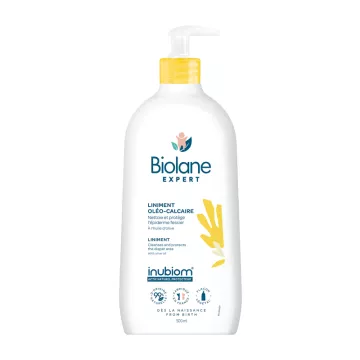
- Oleo-calcareous liniment as a gentle alternative, particularly effective on irritated skin
- Pat dry, paying special attention to the skin folds
- Air-dry whenever possible, ideallyfor 15 to 30 minutes
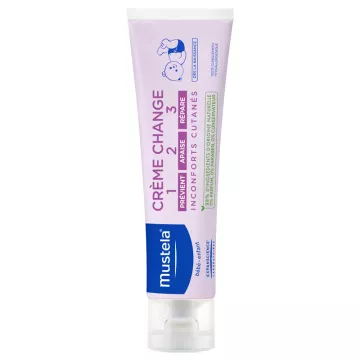
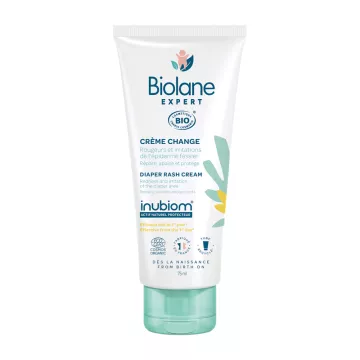
- Apply a thick layerof zinc oxide cream at each diaper change to create a protective barrier
- Zinc-basedwater-based pastes for severe irritation
- Thermal water sprays for occasional soothing (Avène, Uriage, La Roche-Posay)
- Soothing creams containing panthenol, allantoin, or Cica, depending on the affected area
Improvement is generally visible within 2 to 4 days with proper care. Persistent symptoms, worsening of the condition, or the appearance of unusual signs warrant a medical consultation. Specific resources are available for diaper changes and skin care in general.
Which natural products should you choose?
Several naturally derived ingredients provide additional support:
- Calendula: a traditional soothing and healing floral extract found in many baby creams
- Sweet almond: a nourishing plant-based oil (unless there is a family history of nut allergies)
- Beeswax and shea butter: provide a protective barrier and nourishment in cold creams
- Allantoin and bisabolol: well-tolerated plant-based soothing agents
- Coconut oil: an emollient; use sparingly on the diaper area
- Pure aloe vera: soothing and lightly moisturizing
- Thermal waters with recognized soothing properties
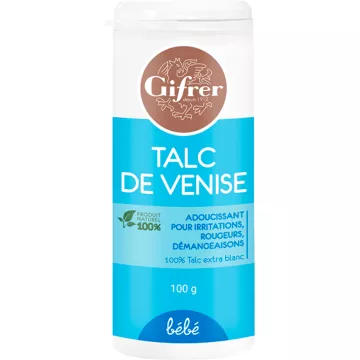
Avoid: concentrated essential oils for infants, baking soda in the bath (alkaline, disrupts skin pH), fragranced products, alcohol-based products, talcum powder (risk of inhalation), routine antiseptics, dyes such as eosin without medical advice, and any topical corticosteroids used without a prescription. For calendula,sweet almond, andzinc oxide in general, specific resources are available.
How can these be prevented long-term?
Daily prevention relies on simple but consistent practices:
- Regular diaperchanges: never leave a soiled diaper on for more than 2 to 3 hours
- High-quality,absorbent diapers that fit properly and contain no added fragrance
- Reusable diapers are acceptable provided they are changed very frequently and washed at 60°C with a mild detergent
- Alcohol-free, fragrance-free wipes, or lukewarm water and organic cotton pads are recommended for sensitive skin
- Apply a thin layer ofpreventive barrier cream to at-risk areas, especially in cases of diarrhea or teething
- Thorough hand hygiene before and after each diaper change
- Clothing made of natural fibers (cotton, linen) in direct contact with the skin
- Hypoallergenic, fragrance-freedetergent; rinse twice
- Regularly expose the skin to fresh air
- Gradually introducesolid foods, while monitoring for any potential trigger foods
A well-stocked first-aid kit includes: zinc oxide cream, liniment, cotton or soft wipes, thermal water spray, and soothing emollient cream. Specific products are available for baby care, such asbaby soothing lotions and organic cotton.
When to Seek Medical Advice and What Complications Might Arise?
Several situations warrant a pediatric consultation:
- No improvement after 3 to 5 days despite following a proper routine
- Rapid worsening or spread beyond the diaper area
- Appearance of open sores, honey-colored crusts, blisters, or pustules (suspected bacterial superinfection)
- Satellite lesions suggestive of a Candida albicans fungal infection
- Fever above 38 °C or deterioration in the child’s general condition
- Baby is very uncomfortable, refuses diaper changes, and has sleep disturbances
- History of eczema or chronic skin condition
- Diagnostic uncertainty with another skin condition
Possible complications include bacterial superinfection (impetigo), cutaneous candidiasis (Candida infection), and severe, treatment-resistant dermatitis. The pediatrician may prescribe an antifungal cream, a topical antibiotic, or a low-potency topical corticosteroid for a very short course of treatment, depending on the specific diagnosis. More rarely, diaper rash may indicate early-stage atopic eczema or another skin condition requiring a dermatologist’s evaluation. Your pharmacist remains a valuable resource for providing initial care and referring you to a doctor when necessary.