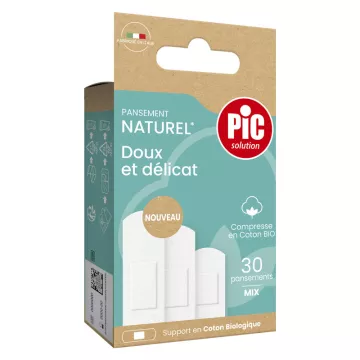
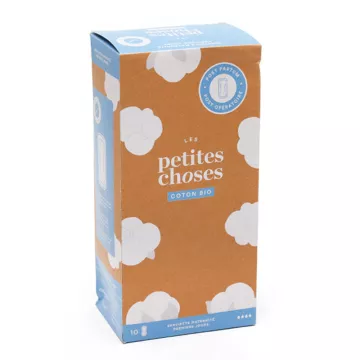
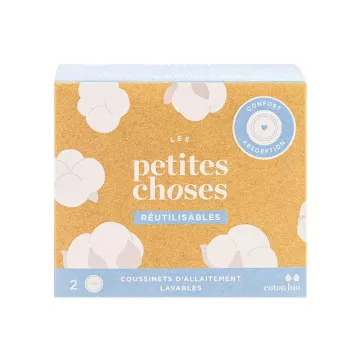
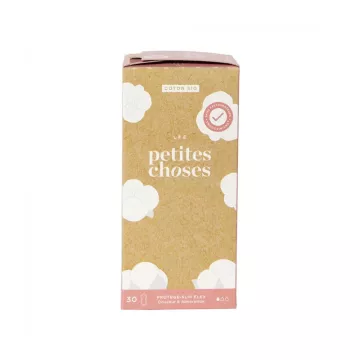
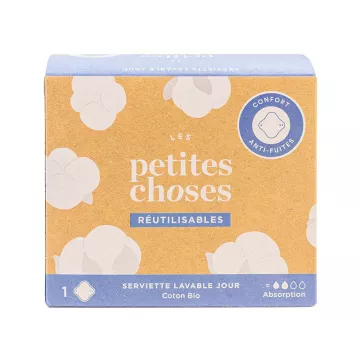
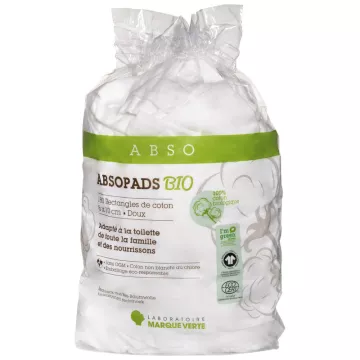
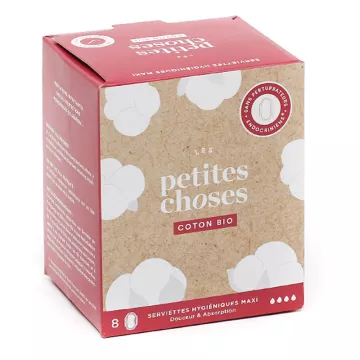
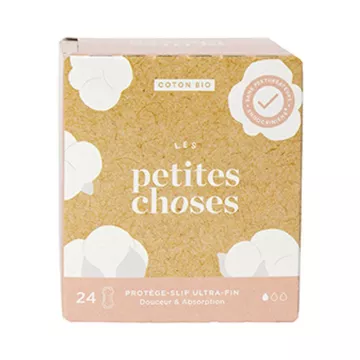
Organic cotton refers to cotton grown without pesticides or synthetic chemical fertilizers. In cosmetics and personal care, it serves as a raw material for many everyday items: makeup remover pads, cotton balls, washable wipes, and protective pads. Its cultivation limits chemical residues on the fiber and reduces the impact on water and soil.
Organic cotton is based on a sustainable farming method that excludes synthetic chemical inputs. This requirement applies to the entire supply chain, from the raw fiber to the finished product, and results in products that are gentler on the skin.
To verify a product’s authenticity, rely on recognized certifications rather than marketing claims alone.
Organic cotton is often preferred for sensitive skin because it minimizes pesticide residues. Be careful, however: natural does not mean hypoallergenic. Reactive or allergic skin may still react, particularly to added dyes or finishes.
Organic cotton is ideal for many daily skincare routines, from facial care to diaper changes.
Organic cotton has a reduced impact on natural resources. It uses less water and does not contaminate the soil with synthetic chemicals. Farming methods, such as crop rotation and biological pest control, support soil fertility and biodiversity.
Organic cotton may initially cost more due to more demanding farming practices. However, its quality and durability offer good value over time, while supporting more responsible supply chains.