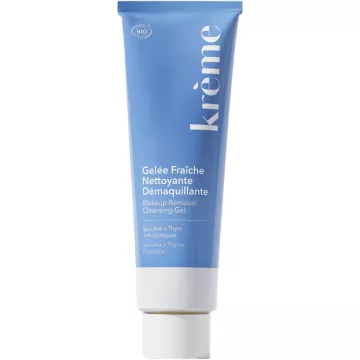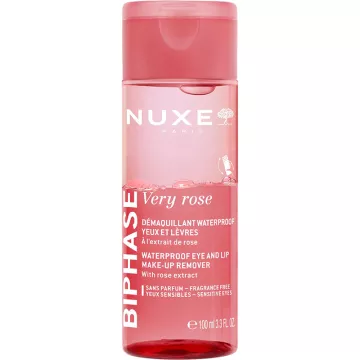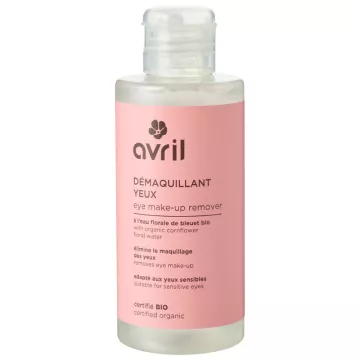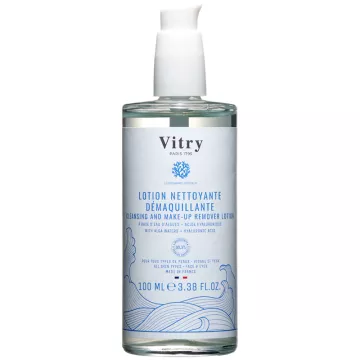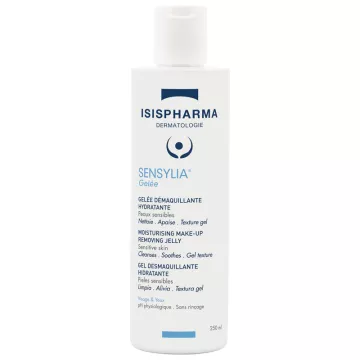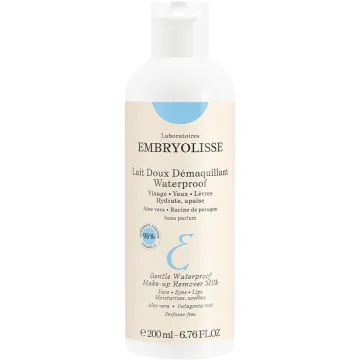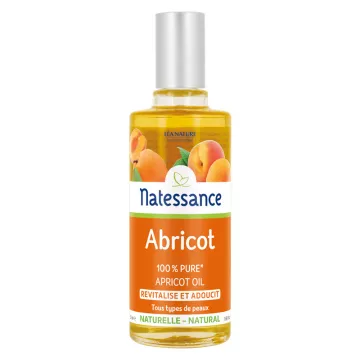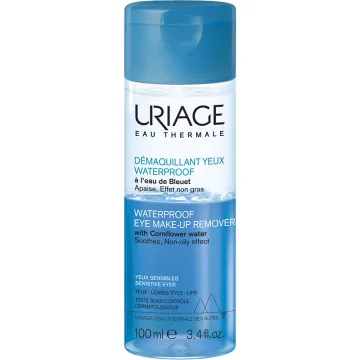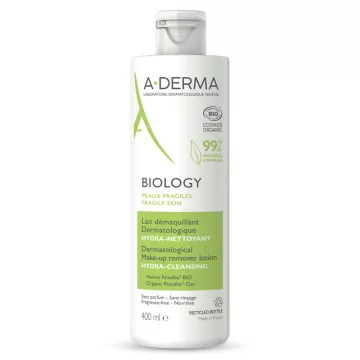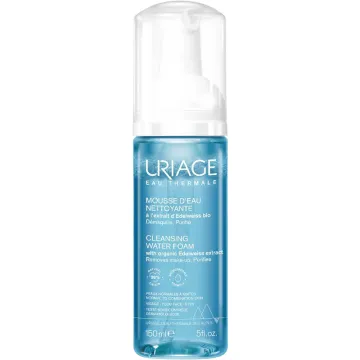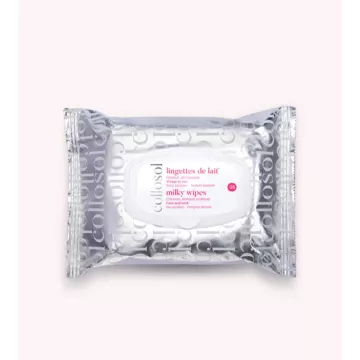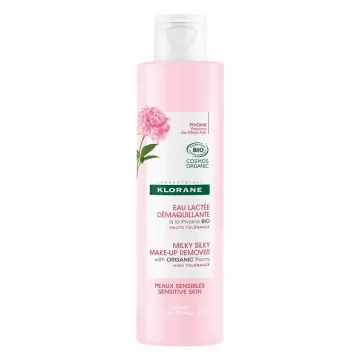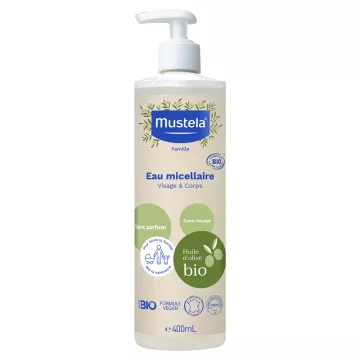
Using the same productsto remove eye makeup as you do for your face is a common mistake. The skin around the eyes (0.5 mm) and the conjunctival mucosa have specific needs that standard makeup removers don’t always meet. SLS (sodium lauryl sulfate), an irritating surfactant found in many foaming cleansers, destroys the eyelid’s lipid barrier and causes conjunctival irritation. Synthetic fragrances and denatured alcohols are documented sensitizers in the periorbital area. The pH of the makeup remover should be close to 5 to 6 to preserve the eyelid microbiome—an alkaline pH disrupts the skin barrier and promotes bacterial colonization. Ophthalmological tolerance is the primary criterion for contact lens wearers and those with sensitive eyes.
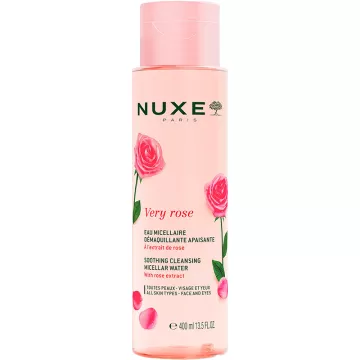
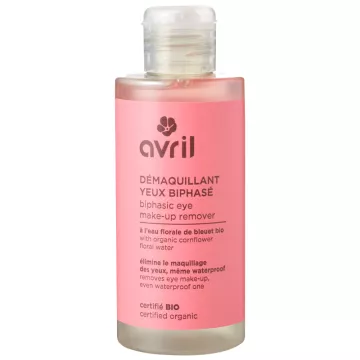
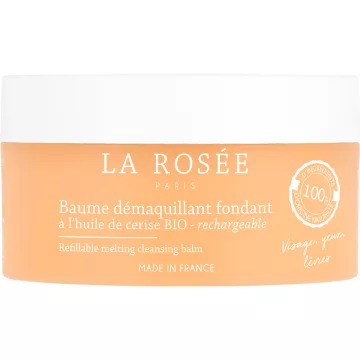
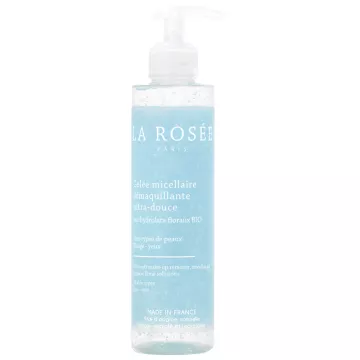
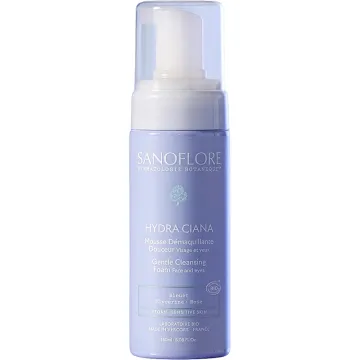
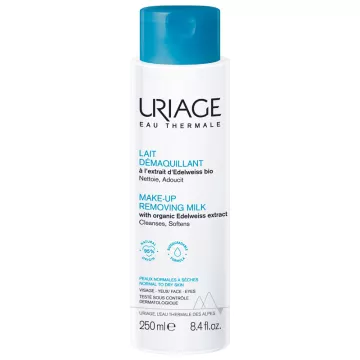
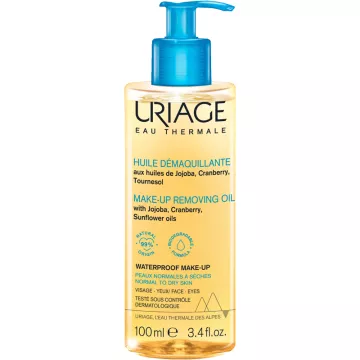
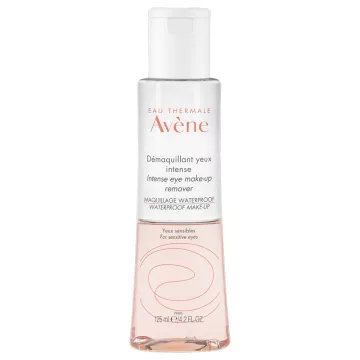
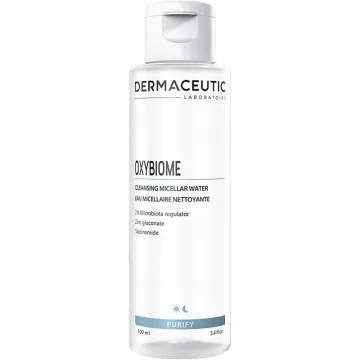
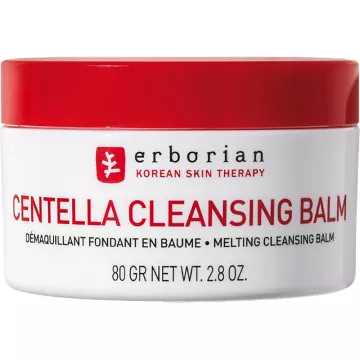
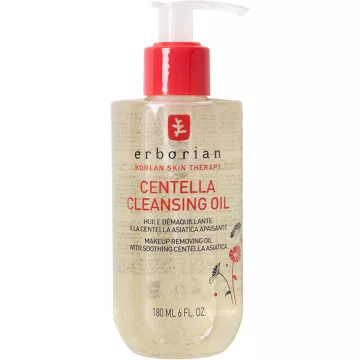
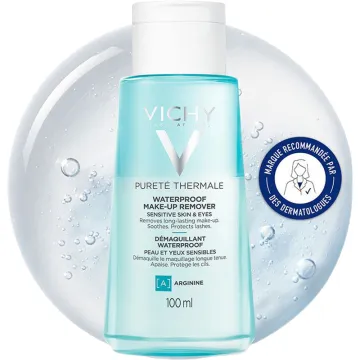
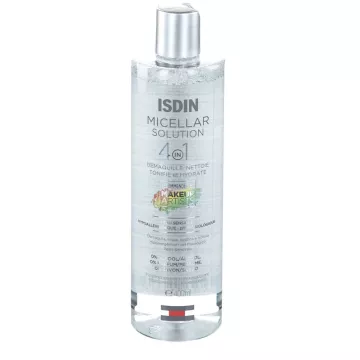
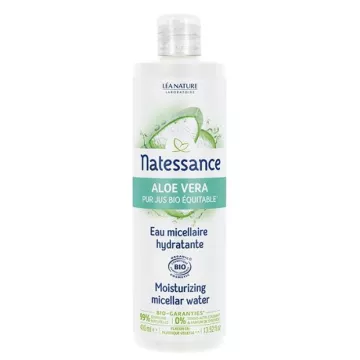
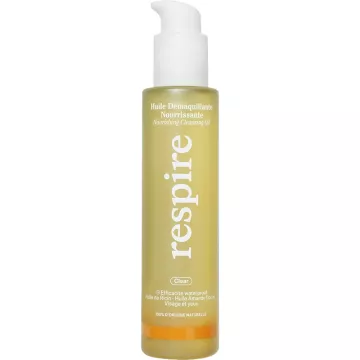
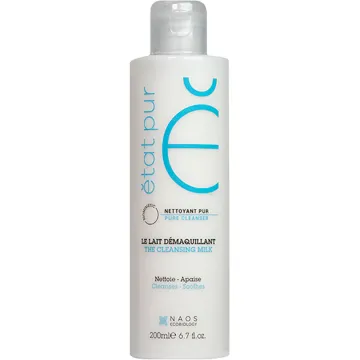
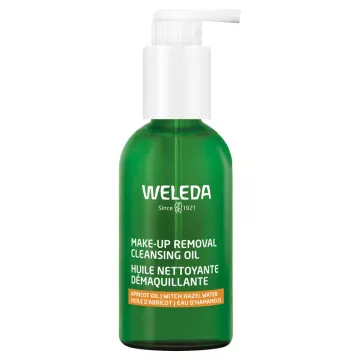
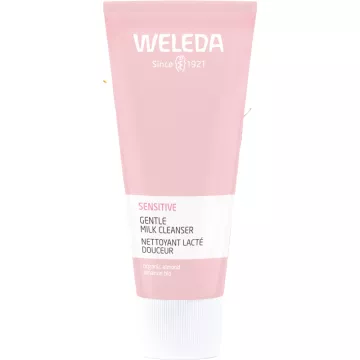
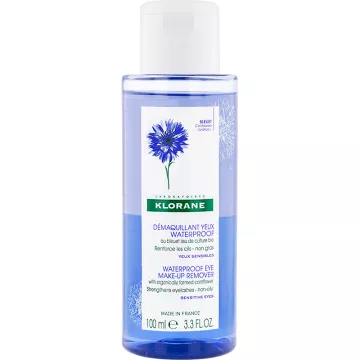
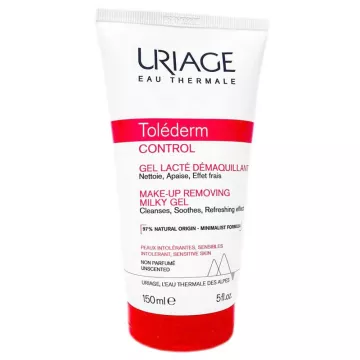
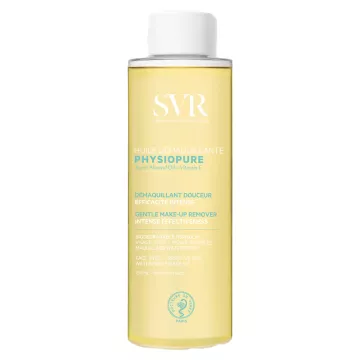
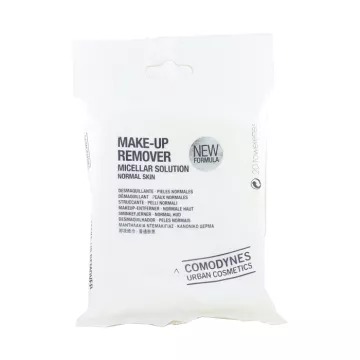
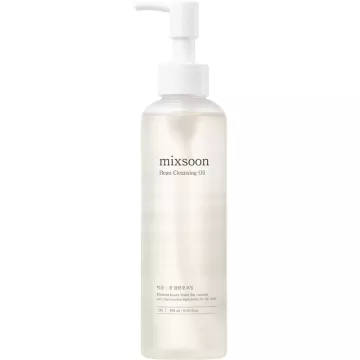
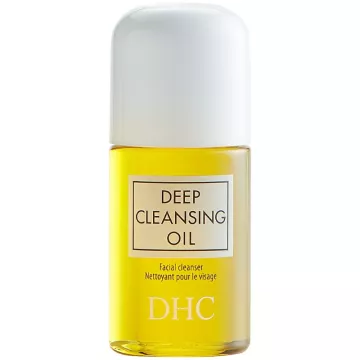
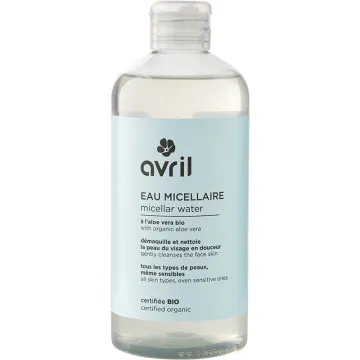
The three formulations address distinct needs.Micellar water (mild surfactants in micelles) is suitable for light, non-waterproof makeup—it emulsifies residue within its micelles without requiring rinsing. The two-phase formula (aqueous phase + oil phase) is essential for waterproof mascara: the oil phase dissolves the hydrophobic film-forming polymers that water alone cannot remove. Pure makeup-removing oil or balm is the most nourishing formula for dry and sensitive eyelids—it requires a second pass with micellar water to remove any residue. None of these formulas should be applied directly to the eye.
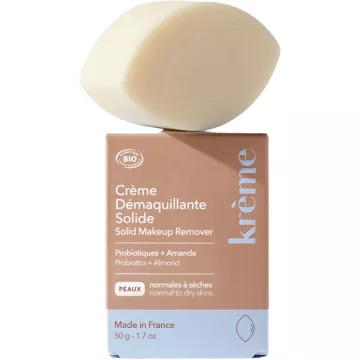
Jojoba oil (Simmondsia chinensis) is technically a liquid wax—its long-chain ester structure makes it stable against oxidation and non-comedogenic. For eye makeup removal, it effectively dissolves mascara and eyeliner without leaving an oily residue, and it is very gentle on the skin. It mimics the natural eyelid sebum produced by the Meibomian glands.Sweet almond oil (oleic and linoleic acids) is a more nourishing alternative for very dry or sensitive eyelids.
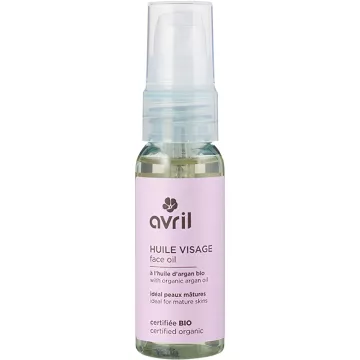
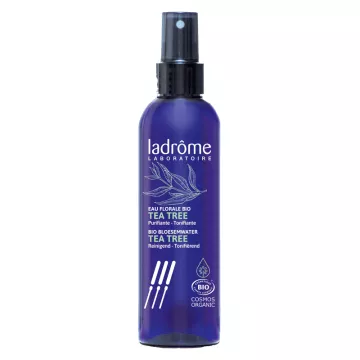
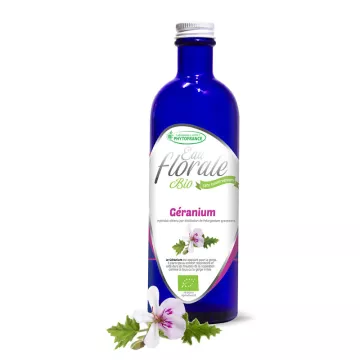
In natural two-phase cleansers,argan oil (squalene, tocopherols, comedogenic index 0–1) serves as an effective oil phase that dissolves pigments while caring for the skin around the eyes. Neroli hydrosol (Citrus aurantium flowers, pH 4–4.5) in the aqueous phase respects the eyelid microbiome and tones the skin after makeup removal. The argan + neroli combination is a well-documented natural alternative to synthetic biphasic cleansers for sensitive skin.
The technique is just as important as the formula. Fundamental rule: never rub—repeated friction stretches the skin around the eyes and causes eyelashes to break. The correct technique: soak a soft cotton pad, hold it against the closed eyelid for 20 to 30 seconds to let the makeup remover dissolve the pigments, then gently wipe from the inner corner to the outer corner in a single stroke. For lashes coated in mascara, a moistened cotton swab allows for precise removal at the root without pulling on the lashes. Organic cotton or microfiber pads are preferable to synthetic cotton pads, which can be abrasive.
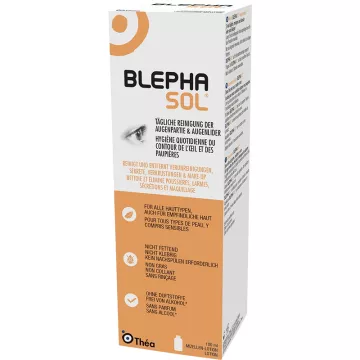
Contact lens wearers must remove their lenses before removing any makeup—the surfactants and oils in makeup removers can adhere to soft lenses and impair their wetting properties. Preservative-free makeup removers (single-use packets or airless bottles) eliminate the risk of preservatives depositing on the lenses. After removing makeup, wait 15 to 30 minutes before reinserting the lenses to allow the cornea to restore its lipid balance. Only formulas certified as having been tested on contact lens wearers (explicitly stated on the packaging) guarantee this level of tolerance.