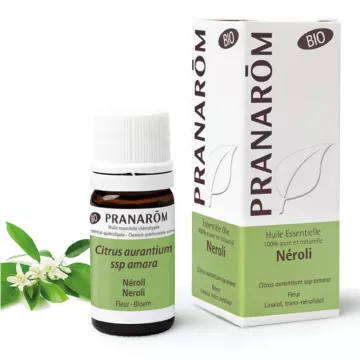
It takes one metric ton of hand-picked bitter orange blossoms to produce one kilogram of oil. Neroli (Citrus aurantium ssp. aurantium, flower) is one of the most precious essential oils in existence—and you can tell as soon as you open the bottle. Its profile of linalool, geraniol, nerol, and linalyl acetate makes it effective for mature skin, emotional well-being, and sleep. Discover our anti-aging skincare and aromatherapy line.
Neroli on the skin: luxury in small doses?
You don’t need to use much—and that’s often the case with truly effective active ingredients.
- 0.5 to 1% in rosehip or jojoba oil: a nighttime facial serum for sensitive, dull skin and the first signs of aging—linalool and geraniol work to improve skin elasticity while you sleep
- Reactive skin that doesn’t tolerate concentrated active ingredients well: neroli is one of the best-tolerated options—a gentle alternative to cosmetic retinol
- A winning anti-aging combination: equal parts neroli and ylang-ylang in a muscat rose base—one of the most comprehensive floral serums for mature skin
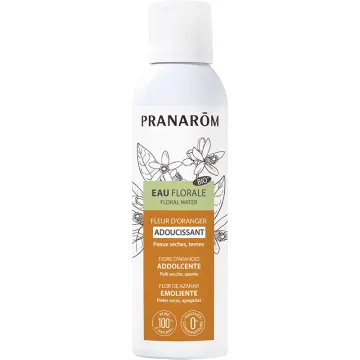
- Neroli hydrosol ( orange blossom water): the affordable alternative as a daily toner—same plant family, accessible format
- See our anti-aging serums containing neroli
Neroli in a diffuser: effortless ambiance?
This is probably the simplest use—and one of the most effective for emotional balance.
- 3 to 5 drops in a diffuser, 20 minutes at the end of the day—a warm, creamy floral note that gently reduces tension without making you drowsy
- The linalyl acetate in neroli modulates the autonomic nervous system—promoting relaxation without the heavy sedation associated with certain highly concentrated lavender essential oils
- Diffusion for occasional anxiety: neroli + petitgrain bigarade —the two essential oils from the bitter orange tree, one floral and the other leafy, complement each other perfectly
- Diffusion for sleep: neroli + true lavender —5 + 5 drops, 20 minutes before bedtime—a soothing floral note without feeling heavy
- On a handkerchief or the wrists: 1 diluted drop — gentle inhalation during moments of intense stress
Neroli vs. petitgrain bigarade: same tree, which one to choose?
The bitter orange tree (Citrus aurantium) yields three distinct essential oils—choosing the right one makes all the difference.
- Neroli (flowers): precious, floral, and creamy — mature skin, deep emotions, heart note in perfumery — set aside a budget
- Petitgrain bigarade (leaves and twigs): affordable, herbaceous-floral—nerve-balancing, oily skin, natural deodorant—the economical alternative to neroli for everyday use
- Bergamot (zest): phototoxic, citrus-floral note—mood and radiance—use in the morning with sun protection
- To get started with the bitter orange family without breaking the bank: begin with petit grain bigarade—and save neroli for face serums and those moments when you really want to do something special for your skin
How to Choose the Right Neroli?
A few practical tips to avoid paying the price of neroli and receiving a reconstituted product.
- Full botanical name on the label:“Citrus aurantium ssp. aurantium, flos”—“flos” = flower, not peel, not leaf
- Look for HECT or HEBBD + organic — non-organic neroli can contain high levels of pesticides used on bitter orange trees
- Price: Genuine neroli essential oil costs between €15 and €40 for 5 mL—anything cheaper is an aromatic blend or a mixture
- Color: slightly yellowish to amber — colorless may indicate a poor-quality essential oil or a distillation process that was too rapid
Precautions?
- Pregnant women (first trimester): Avoid the essential oil—orange blossom hydrosol is generally better tolerated
- Dilute to 0.5–2% for topical use—never apply undiluted (potential irritation at high doses)
- Prolonged diffusion: neroli may have a mildly sedative effect on highly sensitive individuals—limit to 20–30 minutes
- Allergy to Rutaceae (citrus fruits): contraindicated