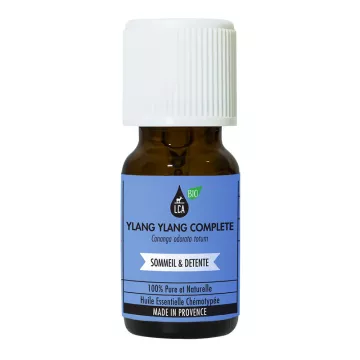
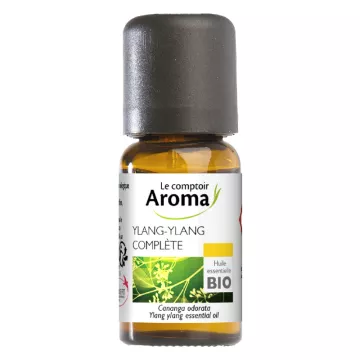
Ylang-Ylang Extra, Full, I, II, III: What’s the Difference on the Label?
Ylang-ylang (Cananga odorata) is one of the few essential oils distilled in fractions—each grade has a distinct profile and use.
- Extra: first distillation fraction—the most floral and the most expensive—dominant benzyl acetate + linalool—high-end perfumery, high-end skincare—maximum olfactory intensity
- I, II, III: subsequent fractions—gradually more terpenic profile, less floral—industrial perfumery, soaps, everyday cosmetics—less expensive
- Complete: full distillation without fractionation—balanced intermediate profile—the best value for aromatherapy and homemade skincare
- In therapeutic aromatherapy: choose Extra or Complete — grades I through III have more variable profiles depending on the batch
- Chanel No. 5 contains Extra ylang-ylang from Madagascar—which gives an idea of the quality of the Extra grade
Ylang-ylang and emotional balance?
Its sweet, creamy floral note acts on the nervous system through the sense of smell—one of the most well-documented emotional actives in aromatherapy.
- Benzyl acetate and linalool modulate the autonomic nervous system—promoting parasympathetic relaxation and reducing nervous tension
- Diffusion: 2–3 drops maximum, 15 minutes—ylang-ylang is very potent olfactorily—diffusing it for too long or at too high a concentration can cause headaches and nausea
- Sleep support: ylang-ylang + true lavender (1:3) — dilute the ylang-ylang in the lavender to balance the intensity
- Emotional well-being and self-esteem: ylang-ylang + neroli + rose — the floral trio for deep emotional balance
- On the wrists: 1 drop diluted to 5% — gentle inhalation, gradual relaxing effect without olfactory saturation
Ylang-ylang and skincare?
Its benzyl acetate + geraniol profile makes it a relevant cosmetic ingredient for combination skin and floral anti-aging skincare.
- Combination and seborrheicskin: 0.5–1% in jojoba oil—geraniol regulates sebum production while delicately scenting the product
- Serum for mature skin: Ylang-ylang Extra 0.5% + neroli 0.5% in musk rose oil—the most effective floral duo for improving skin firmness
- Floral anti-aging blend: ylang-ylang + rose geranium —a well-established sebum-regulating and regenerating synergy
- Never use high concentrations on the face — benzyl acetate and benzyl salicylate are potential allergens (EC 1223/2009) that should be monitored in formulations
Ylang-ylang and hair care?
A classic in hair care—especially for dry and damaged hair.
- Pre-shampoo hair mask: 5 drops in 30 mL of coconut or jojoba oil—leave on dry hair for 30 minutes before shampooing—adds shine and nourishes the hair shaft
- Shampoo additive: 2–3 drops in 100 mL of mild shampoo—regulates scalp sebum + leaves a lingering floral scent after rinsing
- See our hair care line
- Hair care combination: ylang-ylang + geranium + jojoba oil — a treatment mask for oily scalps and dull hair
Ylang-ylang in natural perfumery?
This has historically been its specialty—an iconic heart note in many luxury fragrances.
- A creamy, sweet floral heart note — blends naturally with jasmine absolute and rose to create rich floral accords
- Light fixative: benzyl acetate improves the longevity of floral blends—an interesting property in natural homemade perfumery
- Measure very precisely: 2–5% maximum in a blend—any more than that, and ylang-ylang will overwhelm all the other notes
Precautions?
- Diffusion: 2–3 drops max, 15 min—excessive diffusion causes headaches, nausea, and dizziness (the most common sign of overdose in olfactory aromatherapy)
- Benzyl acetate, benzyl salicylate, geraniol: allergens under EC Regulation 1223/2009—perform a patch test before extensive topical use
- Pregnant women: Not recommended during the first trimester—use sparingly and only under medical supervision thereafter
- Dilute to 0.5–2% for topical use—never apply undiluted
- Asthmatics: further reduce doses when diffusing — very potent scent that may trigger bronchospasm