The thickness and density of thicker eyelashes result from two distinct biological parameters. The diameter of the eyelash fiber (10 to 20 µm on average) is determined by the number of keratinocytes in the hair bulb matrix—the higher the number, the thicker the fiber. Density (100 to 150 eyelashes per centimeter of the eyelid margin) depends on the number of active follicles and their resistance to miniaturization. These two factors are genetically determined but are influenced by nutrition, follicular vascularization, and the quality of keratinization. Progressive miniaturization (linked to DHT, nutritional deficiencies, or aging) reduces both simultaneously.
These are two micronutrients with documented roles in eyelash health. Selenium is a cofactor for follicular glutathione peroxidase (GPx)—an antioxidant enzyme that protects hair bulbs from free radicals generated by environmental stress. A deficiency in selenium weakens the follicles and accelerates hair loss, as documented in several epidemiological studies. Taurine (200 to 500 mg/day) protects follicular keratinocytes from osmotic stress through its role as an intracellular osmoprotectant—it maintains the ionic gradient that supports the rapid matrix cell division characteristic of the anagen phase.
Proanthocyanidins from grape pomace (95% OPC extract) strengthen peri-follicular microcirculation by inhibiting protein kinase C and improving capillary permeability. They reduce peri-follicular microhematomas that compress the follicles and shorten the anagen phase. A Japanese study (Takahashi, 1998) using OPC-enriched models showed a significant increase in hair growth. Their synergy with vitamin C amplifies the vasoprotective effect.
Although little known in eyelash care, ceramides play an essential structural role in the eyelash cuticle—the outer layer that determines shine and mechanical strength. A depletion of ceramides (caused by repeated makeup removal, UV exposure, and chemicals) leads to lifting of the cuticle scales, increased porosity, and premature breakage. Eyelash serums containing ceramides restore this cuticle and reduce porosity, restoring the lash’s apparent thickness and shine—safe for use on eyelid mucous membranes at concentrations of 0.01–0.1%.
Hydrolyzed plant proteins (wheat keratin, silk proteins) provide amino acids (methionine, cysteine, lysine) that are directly bioavailable for keratin synthesis in the eyelash bulbs. When applied topically, their low molecular weight allows them to penetrate the fiber and repair damaged disulfide bonds. Omega-6 fatty acids (GLA, 1 to 2 g/day via evening primrose or borage oil) improve the membrane fluidity of matrix keratinocytes and support rapid cell division during the active anagen phase.
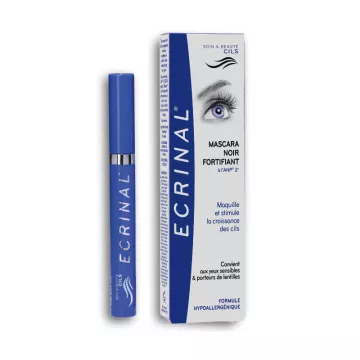
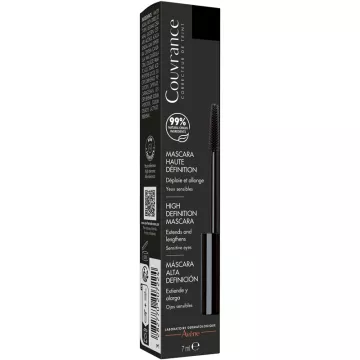
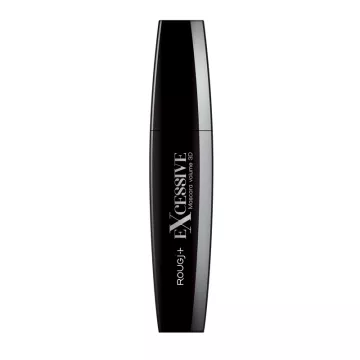
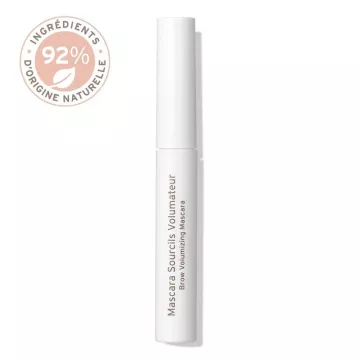
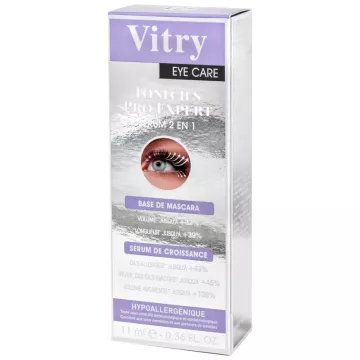
In addition to the nourishing active ingredients that take 6 to 12 weeks to take effect, volumizing mascara provides immediate visual thickening. Formulas based on dense waxes (carnauba wax, beeswax) build up on the eyelash fiber and increase its apparent diameter. Mascara primer (a volumizing base applied before colored mascara) plumps each lash with lightweight fibers, increasing apparent volume by 30 to 50% from the very first application. The spherical brush with tightly packed bristles is the most effective for overall volume—preferable to the conical brush, which promotes lengthening. Boncza Vitry Longcils (cake mascara) is the longest-documented formula for natural eyelash volume.