When should you start using baby care products?
Baby-specific products can be used from birth, provided they are chosen correctly:
- As soon as you return home from the hospital for daily bathing
- Ultra-gentle formulas designed for an infant’s delicate skin
- Hypoallergenic and tested under pediatric and dermatological supervision
- Fragrance-free, alcohol-free, and dye-free
- Phenoxyethanol-free in diaper area products for children under 3 years of age (prohibited under EU Regulation 2019/1257)
- Free of essential oils
- Physiological pH close to 5.5
- Labeled “from birth” on the packaging
A newborn’s skin is 3 to 5 times thinner than an adult’s, with a skin barrier that is still immature: every choice should prioritize absolute gentleness. To discoverbaby care essentials, specialized advice is provided to guide you through those first steps.
What products are essential for daily use?
A few essentials cover an infant’s daily care routine:
- Oil-and-calcium liniment for daily diaper changes
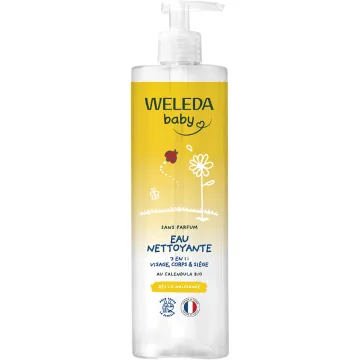
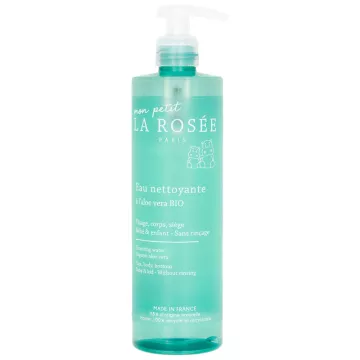
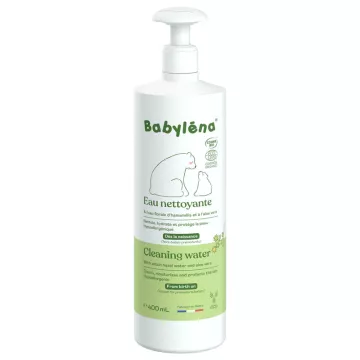
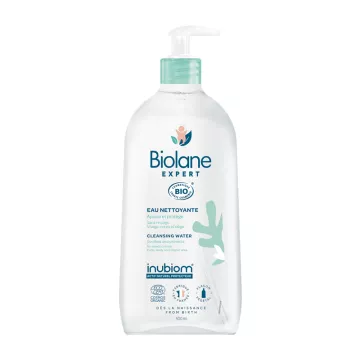
- Water or a gentle, no-rinse cleanser for the face and hands
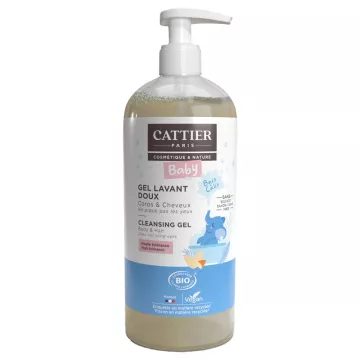
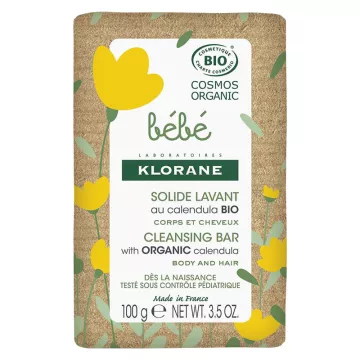
- Cleansing gel or syndet for bath time, with a pH of 5.5 and free of traditional soap
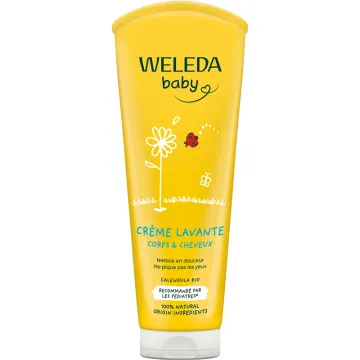
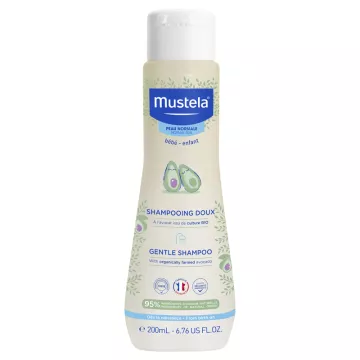
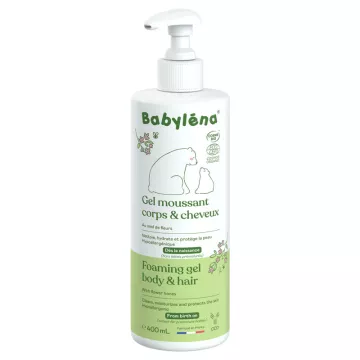
- Mild babyshampoo that doesn’t sting the eyes
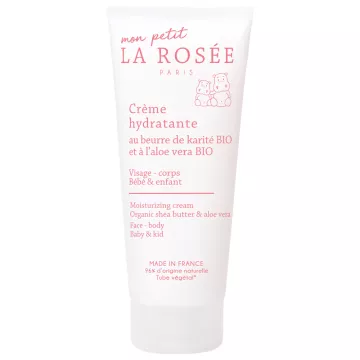
- Moisturizing lotion or cream for the body after bath time
- Protective diaper rash cream containing zinc oxide for prevention
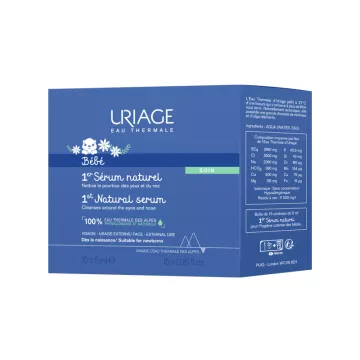
- Saline solution for nasal and eye care
- Cotton pads or washable wipes
- Sterile compresses for umbilical cord care (until healed)
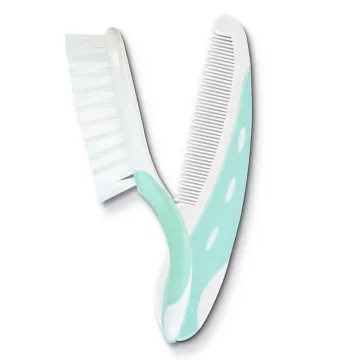
- Soft babyhairbrush
- Baby nasalaspirator for clearing the nose
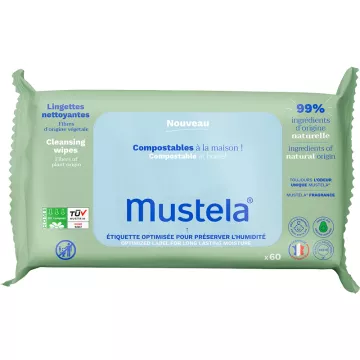
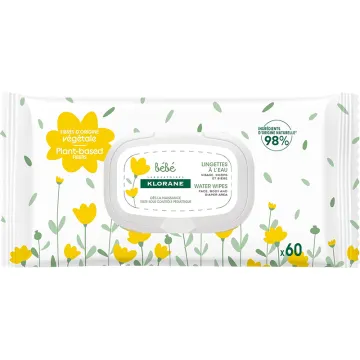
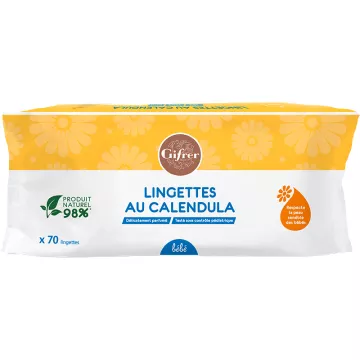
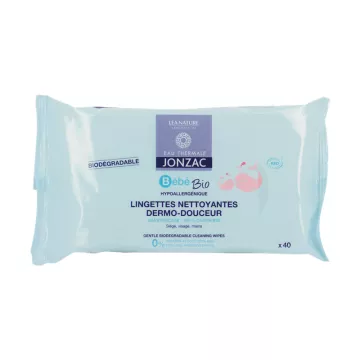
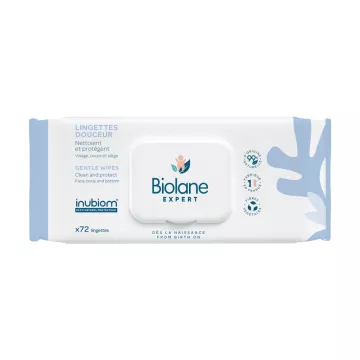
For daily diaper changes, our liniment section and selection of baby wipes offer suitable options.
How to Choose the Right Baby Shampoo?
Several criteria help ensure a safe choice:
- Free of irritating surfactants: no SLS, SLES, or ALS
- Free of long-chain parabens, MIT/MCIT, and phenoxyethanol
- "No-tears" formula gentle on a baby’s sensitive eyes
- Physiological pH close to that of the tear film
- Short, easy-to-readingredient list
- Hypoallergenic and tested under pediatric supervision
- Fragrance-free or contains a very low level of hypoallergenic fragrance
- Easy-to-usepackaging (pump bottle)
- Gentle texture that rinses off easily
- Preferredorganic certifications (Cosmebio, Ecocert, Cosmos Organic)
For a consistent routine, see our selection of baby shampoos.
How often and for how long should you bathe your baby?
Some practical guidelines:
- 2 to 3 baths per week are sufficient during the first few months; more if your baby enjoys them
- Daily baths are possible starting at a few months of age if your baby tolerates them and depending on the season
- Short duration: 5 to 10 minutes maximum for newborns
- Water temperature: 37 °C (check with a bath thermometer)
- Room temperature: 22 to 24 °C to prevent your baby from getting chilled
- Water level: 10 to 15 cm in the baby bathtub—never more
- Preparation: Have all supplies within reach (towel, diaper, clothes) before you begin
- Safety: Never leave the baby alone, even for a few seconds
- Do not bathe the baby if they have a high fever or extensive skin wounds
Bath time can be a moment of comfort and bonding, as long as it’s tailored to each baby’s temperament. Some babies prefer to be rinsed with a washcloth until the umbilical cord has healed.
How can you protect your baby’s skin in winter?
The winter cold dries out an infant’s delicate skin:
- Shorter, less frequentbaths at a mild temperature (37°C)
- Apply amoisturizing baby lotion or emollient creamdaily
- Apply immediately after the bath, to slightly damp skin to lock in moisture
- Applyprotective cream to the face and exposed areas (cheeks, lips) before going outside
- Layered clothing made of natural fibers (cotton, soft wool)
- Humidify indoor air if the heating makesit very dry
- Minimize friction from clothing (remove tags)
- Maintainoral hydration (milk, water for babies who have started solid foods)
- Protect extremities: hat, gloves, and socks suitable for going outside
For babies with dry skin, a richer emollient cream may be recommended, as advised by a pharmacist or pediatrician.
What are the signs of an allergic reaction after using a product?
Several symptoms should raise concern after using a new product:
- Localized or widespreadredness
- Itching: the baby scratches or fidgets
- Skin rashes: small bumps, papules, patches
- Swelling of the skin, especially on the face
- Unusualdryness or flaking
- Localizedsensation of heat
- Crying or marked discomfort upon application
What to do: Stop using the product immediately, gently cleanse the area with lukewarm, clear water, and do not apply anything to the affected area. Consult your pharmacist or pediatrician. Always perform a 48-hour patch test in the crook of the elbow before using a new product for the first time. In case of a generalized reaction with facial swelling or difficulty breathing, call 15 or 112 immediately.
How can you prevent diaper rash on a daily basis?
Diaper rash is common: it affects most infants at one time or another. Preventive measures:
- Frequent diaper changes: every 2 to 3 hours and always after each bowel movement
- Gently clean without rubbing, using water and cotton, a soothing lotion, or a suitable wipe
- Thoroughly patdry, especially in the skin folds
- Expose the skin to fresh air for a few minutesevery day
- Apply a thin layerof zinc oxide protective cream to sensitive areas as a preventive measure
- Well-fitting diapers—neither too tight nor too loose, in the right size
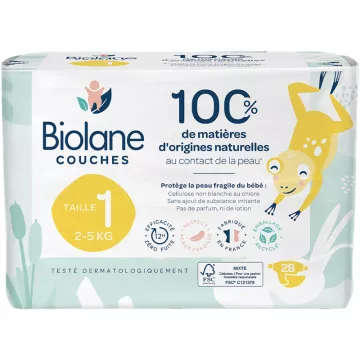
- Ecolabel- orOeko-Tex-certified diapers, fragrance-free
- Mild laundry detergent without fabric softener for clothes that come into contact with the skin
- Monitor the baby during the introduction of solid foods, as this can change stool consistency
Ifdiaper rash persists for more than 3 to 5 days, oozes, has white spots (suspected fungal infection), or spreads, consult your pediatrician.
How can you safely clean a baby’s ears?
Ear care for infants is simple and limited:
- Clean only the outer ear with a soft cloth or damp gauze pad
- Gently cleanthe retroauricular fold (behind the ear), as this area is prone to cracking
- Dry thoroughly after bathing to prevent maceration
- Cotton swabs are prohibited (under France’s 2020 law on single-use plastics) and are not recommended for children anyway: they push earwax deeper into the ear, injure the eardrum, and damage the ear canal
- Natural earwax: do not attempt to remove it; it protects the ear
- Do not instill any product into the ear without medical advice
- Monitoring: Repeated tugging at the ear, fever, irritability, discharge → consult a pediatrician
If there is a large amount of earwax causing discomfort or irritation, consult your doctor or pharmacist: appropriate earwax-dissolving solutions are available.
When should you start brushing your baby’s teeth?
Tooth brushing begins as soon as the first tooth appears (around 6 months on average), according to UFSBD recommendations:
- As soon as the first tooth appears: gentle cleaning once a day with a damp cloth or an ultra-soft toothbrush
- Fluoride toothpaste starting with the first tooth: a rice-grain-sized amount (to provide 1,000 ppm of fluoride, in accordance with current HAS and UFSBD recommendations since 2014)
- Brushing by parents until around age 6, as the child has not yet mastered the technique on their own
- Brush twice a day starting at age 3 (morning and evening), for 2 minutes
- Dental checkup starting at age 1, then annually (M'T Dents program starting at age 3)
- Limit sugary bottles and sugary snacks
- No bottle at bedtime (to prevent bottle-related cavities)
- Plain water between meals; never give sweetened juice in a bottle
Our section dedicated to children’s toothpaste offers products tailored to each age group.
How to safely bathe a newborn?
Bath safety depends on a few essential rules:
- Get everything ready beforehand: towel, washcloth, soap, clean diaper, clothes, and lotion within easy reach
- Room temperature at 22–24 °C, with no drafts
- Checkthe water temperature with a thermometer: exactly 37 °C
- Lowwater level: only 10 to 15 cm
- Constant support for the head and neck with one hand
- Support under the armpits with the forearm supporting the back
- Gently wash from head to toe, methodicallycleaning the skin folds
- Short duration: 5 to 10 minutes maximum
- Constant supervision: never leave the baby, even to answer the phone
- Quickly wrap the baby in a pre-warmed towel, ensuring complete coverage
- Thoroughly patdry, especially in the folds
- Quickly dress the baby in the same warm room
For the first few weeks, until the umbilical cord heals (usually 1 to 3 weeks), simply washing with a washcloth may be sufficient if you’re not comfortable. The golden rule remains constant supervision: an infant can drown in just a few centimeters of water in a matter of seconds.