What is diaper rash?
Diaper rash, or diaper dermatitis, is a very common skin irritation in infants and young children who still wear diapers. It appears as red patches—sometimes oozing—that cover the buttocks, skin folds, thighs, and genital area. The skin may become shiny, sensitive, and sometimes painful to the touch, and may visibly cause discomfort for the baby during diaper changes.
Although most babies experience at least one episode of diaper rash before the age of 2, this condition is generally mild and resolves with proper care. Early treatment limits discomfort and prevents the condition from progressing to a secondary infection. Additional resources are available for infants and babies in general.
What are the causes?
Diaper rash results from a combination of irritating factors concentrated in the moist, enclosed environment of the diaper:
- Prolonged contact with urine and stool: digestive enzymes, ammonia, and bile salts that irritate an infant’s delicate skin
- Excessive moisture, which contributes to skin maceration
- Repeatedrubbing from the diaper and clothing
- Friction caused by changing the diaper too vigorously
- Inappropriate products: alcohol-based wipes, perfumes, harsh soaps
- Diarrhea (gastroenteritis, teething, antibiotics): more acidic, more frequent stools
- Introduction of solid foods, leading to changes in bowel movements and stool acidity
- Secondary infection with Candida albicans (yeast infection) or bacteria on compromised skin
- Rareallergic reaction to a component of the diaper or a product used
Several combined factors often explain the onset: waiting too long to change a diaper after a bowel movement, using scented wipes, and a period of introducing solid foods or teething can trigger an episode. Specific resources are available regarding the introduction of solid foods in general.
How can it be prevented on a daily basis?
Prevention relies on simple but consistent steps:
- Frequent diaper changes: every 2 to 3 hours on average, immediately after each bowel movement
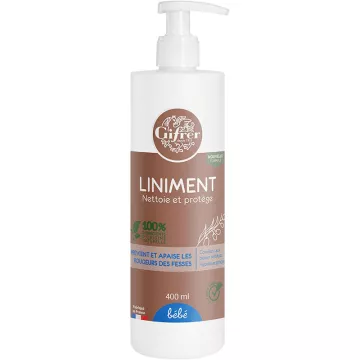
- Gently clean with lukewarm water using a cotton pad, or with an oil-and-calcium-based liniment, without rubbing
- Careful drying by patting, especially in the skin folds
- Air-drying before putting on a fresh diaper, whenever possible
- A diaper that fits well but isn’t too tight, in the right size (look out for pressure marks)
- Applya zinc oxide-basedbarrier cream as needed in case of diarrhea or teething
- Products suitable for delicate skin: fragrance-free, alcohol-free, dye-free, and free of harsh preservatives
- Alwayswash your hands before and after a diaper change
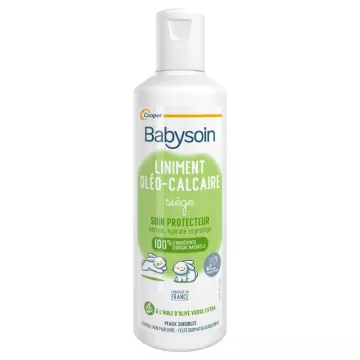
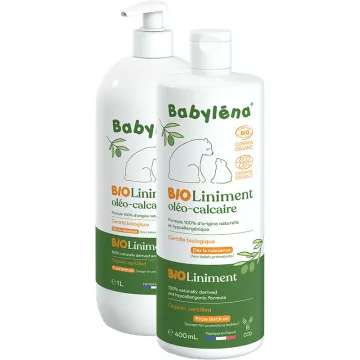
Oleo-calcareouslin iment—a mixture of olive oil and lime water—remains a popular classic for gentle cleansing while leaving a protective film. Specific resources are available for diaper changes and baby care in general.
What products should be used to treat it?
Treating established diaper rash involves a combination of gentle cleansing and the application of barrier care products:
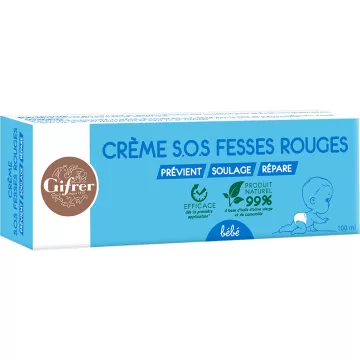
- Zinc oxide creams applied in a thick layer at every diaper change: barrier effect, drying, and mildly antiseptic
- Water-based pastes containing zinc and talc (cold cream) for severe irritation
- Mild vegetable oils: sweet almond, calendula, applied lightly to clean, dry skin
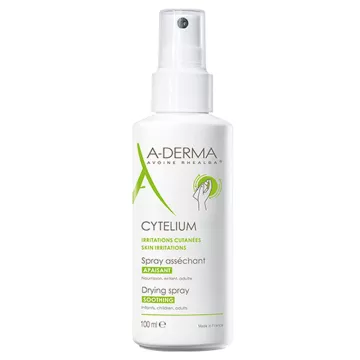
- Thermal water sprays (Avène, La Roche-Posay, Uriage) to provide occasional soothing relief
- Oleo-calcareous liniment for daily cleansing
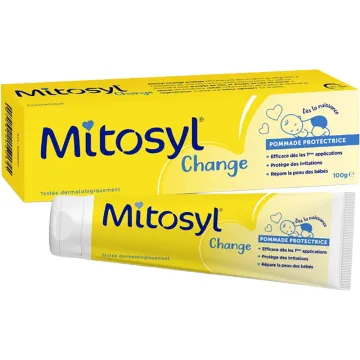
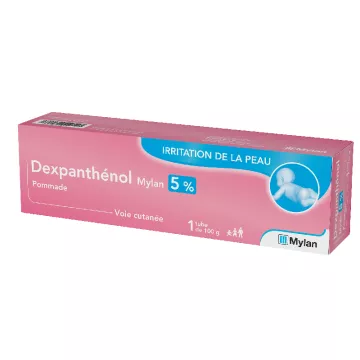
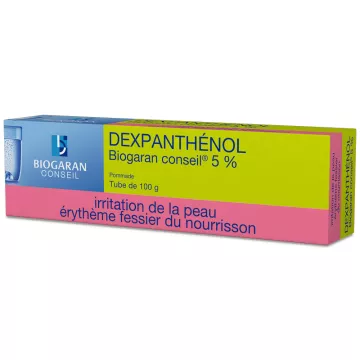
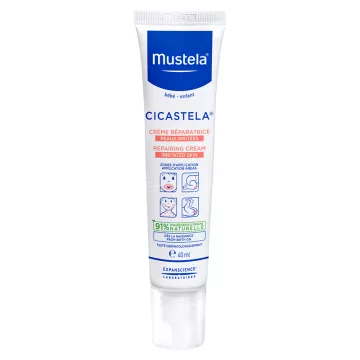
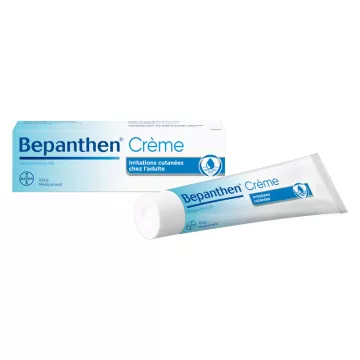
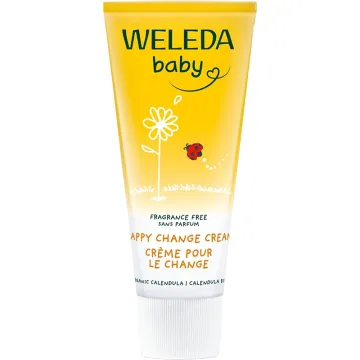
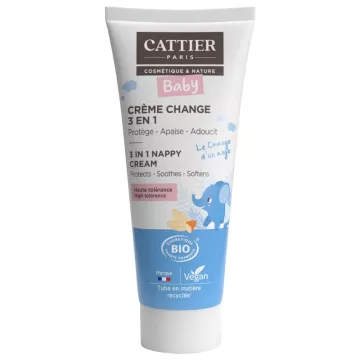
- Specializedsoothing babycreams containing panthenol, allantoin, or centella asiatica
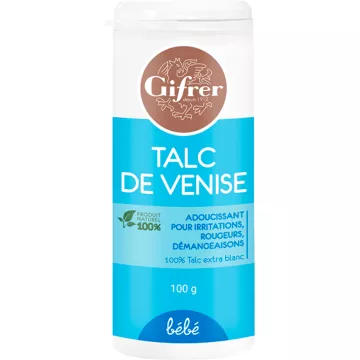
Forzinc oxide, calendula, andsweet almond in general, specific resources are available. Avoid: talcum powder (respiratory risk, inhalation), routine antiseptics, dyes such as eosin without a doctor’s advice, self-medication with topical corticosteroids, concentrated essential oils for infants, fragrances, and alcohols. Specific resources are available forbaby skin irritation andsoothing products in general.
Which diapers and wipes should you choose?
The choice of diapers directly influences the occurrence of diaper rash:
- Disposable diapers: Choose ultra-absorbent, fragrance-free models without added lotions, in the correct size
- Cloth diapers: Well-tolerated provided they are changed very frequently, washed at 60°C with a mild, fragrance-free detergent, thoroughly rinsed, and completely dry before reuse
- Diapers made from natural or eco-friendlymaterials (cotton, certified cellulose, phthalate-free, fragrance-free, chlorine-free) are sometimes better tolerated by sensitive skin
- Wipes: Choose alcohol-free, fragrance-free, and free of harsh preservatives (MIT, parabens)
- Cotton + water or liniment: the gentlest alternative, preferred in cases of established diaper rash or very sensitive skin
For wipes, biodegradable wipes, and organic cotton in general, specific resources are available. Testing only one new product at a time helps identify potential intolerances.
When should you see a doctor?
Most diaper rashes improve within 2 to 4 days with proper care. However, there are several situations that warrant a pediatric consultation:
- No improvement after 3 to 5 days of proper care
- Rapid worsening despite treatment
- Extensive, deep, or weeping lesions
- Open sores, honey-colored crusts, blisters, or pustules (suspected secondary infection)
- Spread beyond the diaper area
- Satellite lesions at the periphery suggestive of a Candida infection
- Baby with a fever (temperature above 38 °C), is irritable, or appears markedly uncomfortable
- History of eczema or chronic skin condition
- Diagnostic uncertainty with atopic dermatitis, psoriasis, or another skin condition
Depending on the diagnosis, the pediatrician may prescribe an antifungal cream (in case of a fungal infection), a topical antibiotic (in case of a bacterial superinfection), or a low-potency topical corticosteroid for a very short course of treatment.Self-medication with corticosteroids or antifungals without medical advice is contraindicated in infants. Foreczema in general, specific resources are available.
What role does diet play?
Diet can influence the onset of rashes, particularly during transitional periods:
- Introduction of solid foods: changes in bowel movements and stool acidity can temporarily compromise the skin’s barrier
- Acidic foods (tomatoes, citrus fruits, berries) or very spicy foods—passed through breast milk in breastfed infants, or consumed directly by children who have started solid foods
- Antibiotics in children or breastfeeding mothers: imbalance in gut flora, possible diarrhea, creating conditions conducive to skin fungal infections
- Diarrhea of any cause (gastroenteritis, food intolerance, teething): more frequent, more acidic, and more irritating stools
- Food allergies or intolerances are rare but possible: monitor for a potential link to the introduction of a new food
Identifying the trigger allows for temporary adjustments to care and enhanced barrier protection. During an acute episode, changing diapers more frequently, allowing ample time for the skin to air out, and generously applying zinc oxide cream are the most effective measures. Your pharmacist remains a valuable resource to support this daily care, in addition to regular pediatric follow-up.