When should you change a baby's diaper?
It’s essential to change the diaper as soon as it’s wet or soiled to keep the baby comfortable and protect their delicate skin. Here are some guidelines:
- Every 2 to 3 hours on average for infants
- Immediately after every bowel movement, without delay
- Before or after each feeding, depending on your baby’s routine
- At bedtime and upon waking to minimize nighttime leaks
- Based on signs: a heavy diaper, a wetness indicator that’s activated, odor, or visible discomfort
Regular diaper changes significantly reduce the riskof diaper rash, skin irritation, and general discomfort. Stool—which is particularly acidic in breastfed infants—can quickly irritate the skin if it remains in contact for too long.
Which diapers should you choose for newborns?
Several types of diapers are available, each with its own advantages:
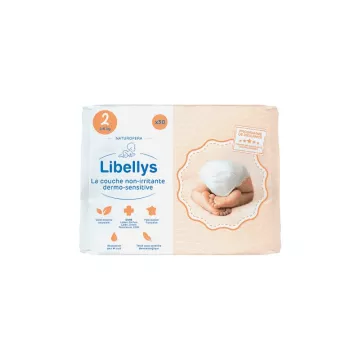
- Traditional disposable diapers: maximum convenience, high absorbency, wide range of brands available at pharmacies and major retailers
- Eco-friendly disposable diapers: bio-based materials, chlorine-free, fragrance-free, lotion-free, and certified by Ecolabel or Oeko-Tex
- Cloth diapers: a cost-effective, long-term, and eco-friendly alternative, to be used with absorbent inserts and a suitable fastening system
- Training pants: useful during potty training later on, around 18–24 months
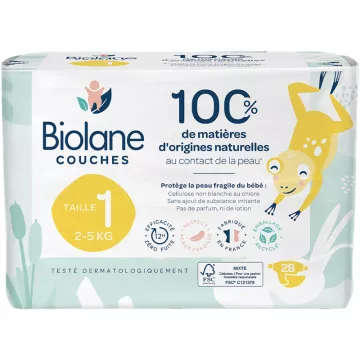
For a newborn, always choose diapers that are fragrance-free, lotion-free, and free of irritants, with a navel cutout in the newborn size to prevent rubbing against the umbilical cord. Effective protection against leaks combined with exceptional softness remains the most important factor for a baby’s ultra-sensitive skin in the first few days.
How do you choose the right diaper size for your baby?
The diaper size must correspond precisely to the baby’s weight and body type. Manufacturer guidelines:
- Size 1 (2–5 kg): for the first few weeks
- Size 2 (3–6 kg): approximately 1 to 3 months
- Size 3 (4–9 kg): 3 to 9 months
- Size 4 (7–18 kg): 6 months to 3 years
- Size 5 (11–25 kg): from about 1 year old
- Sizes 6 and 7: for older children in potty training
A well-fitting diaper prevents leaks without being too tight around the waist or thighs. If you notice red marks, move up one size; if leaks become more frequent, check the size and fit before considering a different brand.
What are the steps for changing a diaper effectively?
An efficient and quick diaper change always follows the same sequence, which becomes a reassuring routine:
- Prepare the area: a clean, safe changing table at the right height. Have all supplies within reach (a clean diaper, wipes or cotton pads and lukewarm water, diaper cream, a bag for dirty diapers, and a change of clothes if needed)
- Wash your hands before and after each diaper change to minimize the risk of infection
- Remove the soiled diaper by gently lifting the baby’s bottom by the ankles
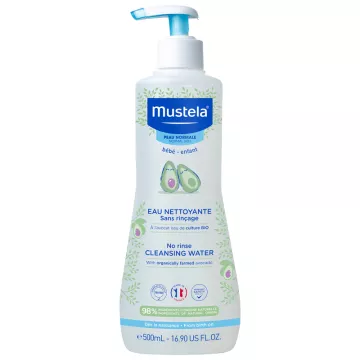
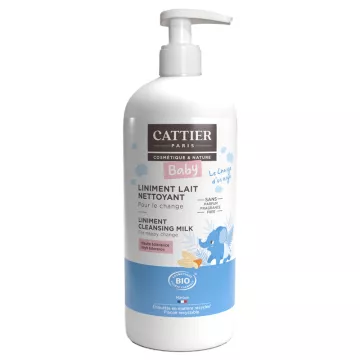
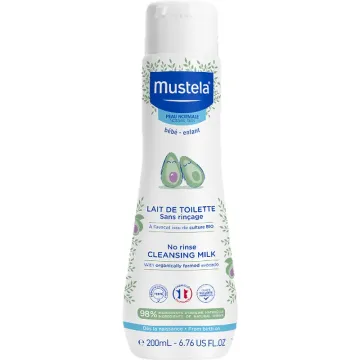
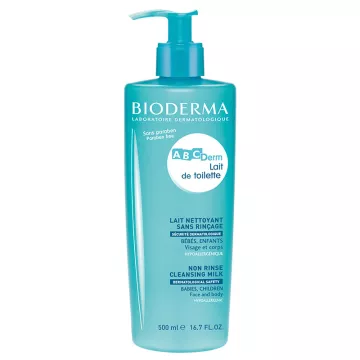
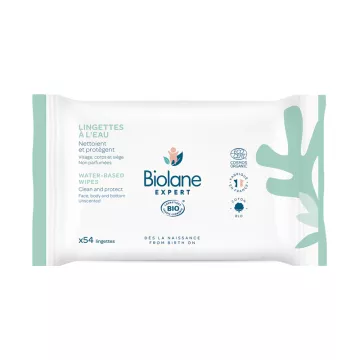
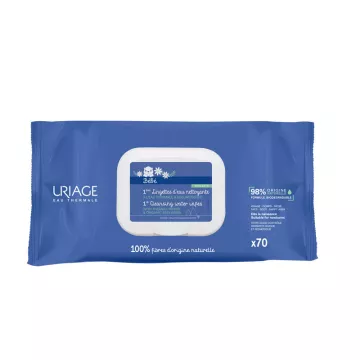
- Gently clean with soft, hypoallergenic wipes, cotton pads soaked in lukewarm water, or liniment, always wiping from front to back for girls to prevent urinary tract infections
- Dry thoroughly by patting gently without rubbing, paying special attention to the skin folds
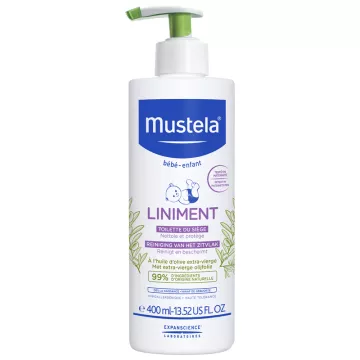
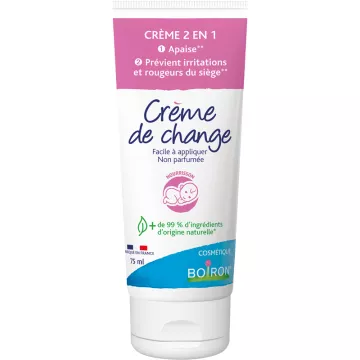
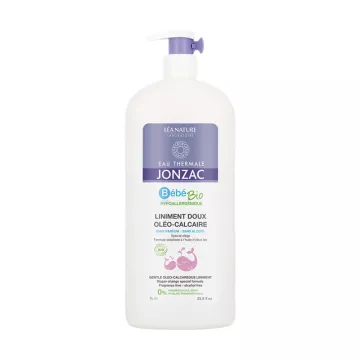
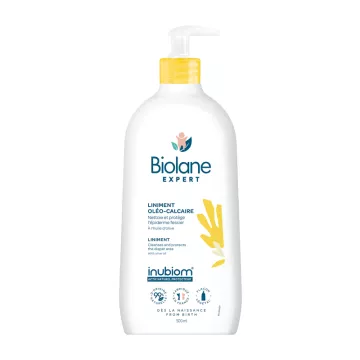
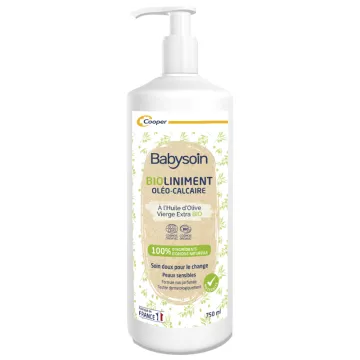
- Apply care products: oil-and-calcium liniment or protective cream if there is redness, in a thin layer
- Put on a clean diaper: not too loose (leaks) nor too tight (marks), with the adhesive tabs properly positioned at the front
- Safety: Never take your eyes off the baby or turn away without keeping one hand on him
For little boys, quickly covering the penis with a tissue during the diaper change prevents any surprises. Talk to your baby during the diaper change: this moment of interaction strengthens your bond.
How to treat and prevent diaper rash?
Diaper rash is a common skin irritation in infants, caused by prolonged contact with urine, stool, friction, and moisture. To treat it:
- Gently clean the area with lukewarm water and, preferably, a soothing lotion
- Gently pat dry without rubbing
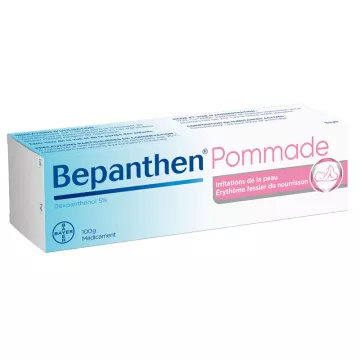
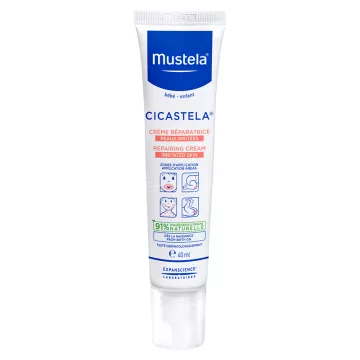
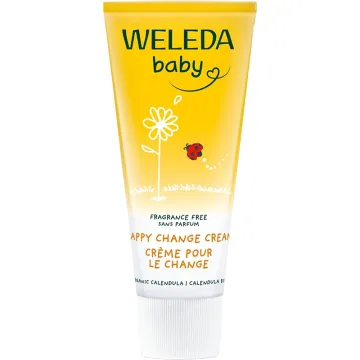
- Apply azinc oxide-based cream that creates a protective barrier
- Let the skin breathe in the open air for several minutes a day whenever possible
- Change the diaper more frequently, as soon as it is soiled
For daily prevention:
- Change diapers regularly to prevent stool from sitting on the skin
- Gently clean the area without using scented products
- Thoroughly dry skin folds
- Choose a diaper that is neither too tight nor too loose
- Allow the bottom to air out regularly
If the redness persists for more than 3 to 5 days, becomes weepy, has white spots (suspected yeast infection), or blisters, consult a pediatrician. Persistent diaper rash may require specific antifungal or antibacterial treatment.
What items do you need for a diaper change?
A complete diaper-changing kit includes a few essentials you should always have on hand:
- Diapers in the right size (stock up for 2 to 3 weeks)
- Hypoallergenic, fragrance-free wipes or cotton pads and lukewarm water for very sensitive skin
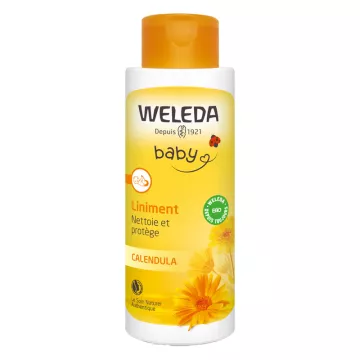
- Traditionaloil-and-calcium liniment —gentle and effective
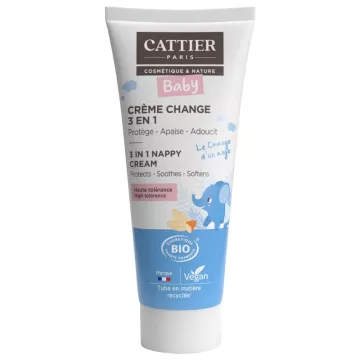
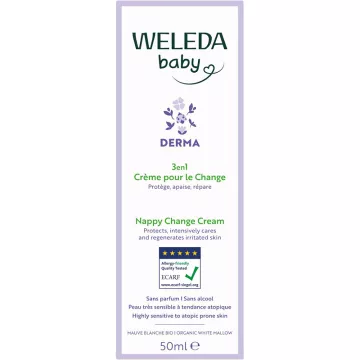
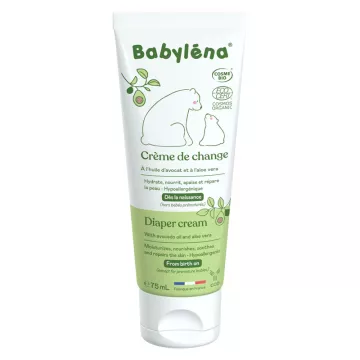
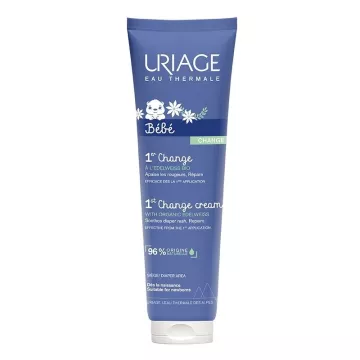
- Zinc oxide-baseddiaper rash cream
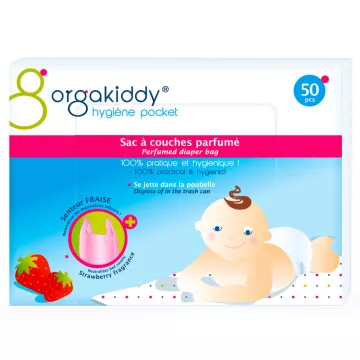
- Airtightdiaper bag to minimize odors
- Changing pad with a washable cover, or a clean towel
- Change of clothes (onesie, pajamas) in case of a leak
- Hand sanitizer or a nearby sink
For a well-organized baby hygiene routine, keep these items together in a single storage container right next to the changing table. The more organized you are, the less stressful diaper changes will be.
How can you save money on diapers?
Diapers represent a significant expense during the first 2 to 3 years. Here are a few tips to keep costs down:
- Buy in bulk from online retailers or big-box stores, especially for sizes your baby will use for several months
- Sign up forsubscription services with regular delivery, which often offer discounts and help you avoid running out
- Cloth diapers: an initial investment, but savings of several hundred euros over time
- Look forsales and bulk-purchase deals at pharmacies or specialty stores
- Store brands, which are often less expensive and of satisfactory quality
- Loyalty cards and coupons to use strategically
- Coupons and promo codes to use online
- Plan ahead for size changes to avoid ending up with an unsuitable supply
Never sacrifice quality for price: a diaper that’s too irritating or not absorbent enough ends up costing you in dermatologist visits and extra laundry.
How can you tell when a diaper needs to be changed?
There are several clear signs that it’s time for a change:
- Wetness indicator built into the diaper: a line that changes color (often from yellow to blue) when the diaper is wet
- Feels heavy or swollen to the touch
- A distinctive odor
- Visible discoloration of the diaper
- Signs of discomfort in the baby: restlessness, crying, irritability
- Early signs ofskin redness upon contact
Check the diaper regularly, without waiting for extreme signs. A diaper left full for too long weakens the skin barrier and promotes infections. Checking every 2 to 3 hours while the baby is awake is a good habit to adopt, without waking a baby who is sleeping peacefully unless there is obvious stool.
Can you use wipes on a newborn?
Baby wipes are safe to use from birth, provided you choose products that are suitable:
- Fragrance-free and alcohol-free, with no irritating ingredients
- Hypoallergenic and tested under dermatological and pediatric supervision
- Free of problematic preservatives (particularly phenoxyethanol, which is not recommended for use on infants’ bottoms)
- CE marked and compliant with European regulations
- Soft and durable texture, lint-free
For newborns with particularly sensitive skin or a family history of atopic conditions, cotton pads soaked in lukewarm water or an oil-and-calcium liniment applied with a cotton pad remain the gentlest alternatives. At home, these traditional methods have proven effective. Wipes remain particularly convenient when traveling, as a complement to at-home care.
How should you pack diaper-changing supplies when traveling?
A well-organized diaper bag helps avoid stressful surprises when you’re out and about. What to pack:
- Diapers: pack plenty (2 to 3 per hour you’ll be out)
- Pack of travel-sizewipes
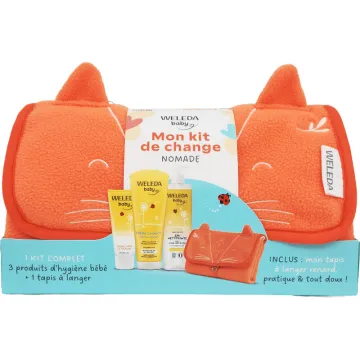
- Portable, washable changing pad
- Airtightdisposable diaper bags
- Mini tube of diaper rash cream
- Complete change of clothes (onesie, pajamas, socks)
- Handsanitizer gel
- Plastic bag for soiled clothes
- Cleanbib and towel
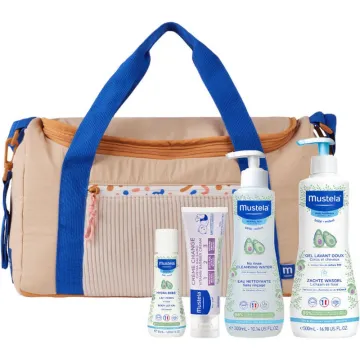
Organize the bag into themed compartments so you can quickly find each item. An ergonomic diaper bag with multiple storage compartments makes changing on the go much easier. For changing your baby while traveling, some hotels and public places have changing tables; check before you leave.
How to Choose Nighttime Diapers for Your Baby?
Overnight diapers offer enhanced absorbency for long periods without a diaper change. Selection criteria:
- Absorption capacity greater than a standard diaper (8 to 12 hours of protection)
- Reinforcedside leak barriers at the thighs
- Inner layer that stays dry against the skin to minimize urine contact with the skin
- High-cut back design to prevent leaks when lying down
- Dermatologically tested,breathable materials
- Soft yet firm elastic around the waist and thighs
- A slightly larger size than daytime diapers, sometimes recommended for heavy wetter babies
If nighttime leaks still occur, check the fit, go up a size, or try a different brand. A longer onesie or footed pajamas can provide extra protection. A good night’s sleep also depends on the comfort of the diaper—it’s a worthwhile investment.
What signs of a diaper allergy should you watch for?
Although rare, allergic or irritant reactions to diapers can occur. The signs:
- Sudden,bright redness localized to areas of contact (edges, elastic bands, adhesive strip)
- Rashes or patches of eczema on the bottom
- Obviousitching: the baby scratches or cries when the area is touched
- Increased irritation that persists despite usual care
- Blisters or oozing in severe cases
What to do:
- Immediately switch to a different brand, opting for a hypoallergenic, fragrance-free, lotion-free formula
- Test the new product for 5 to 7 days to assess improvement
- Consult a pediatrician or dermatologist if symptoms persist or worsen
- Choose diapers certified by Ecolabel or Oeko-Tex
- Allow the skin to breathe for longer periods between diaper changes
Distinguishing a true allergy from simple friction-induced diaper rash sometimes requires medical advice. A methodical approach (testing one variable at a time) helps identify the trigger and provide long-term protection for your baby’s skin.