What products are essential for baby care?
To ensure optimal baby hygiene, a few key products cover all of an infant’s daily needs:
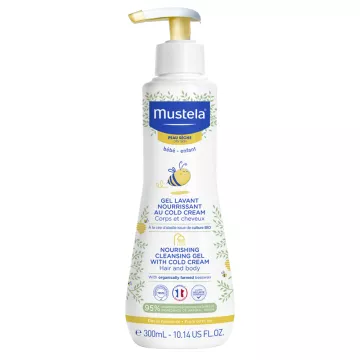
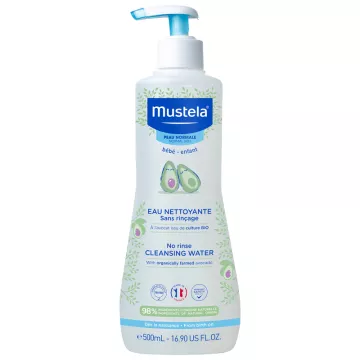
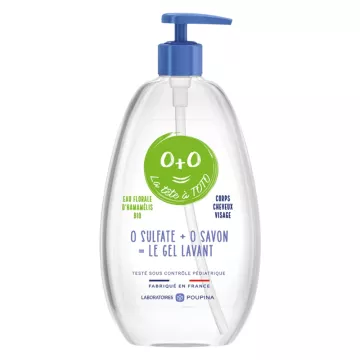
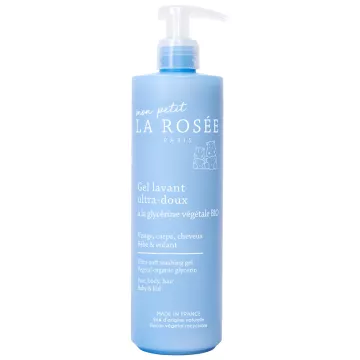
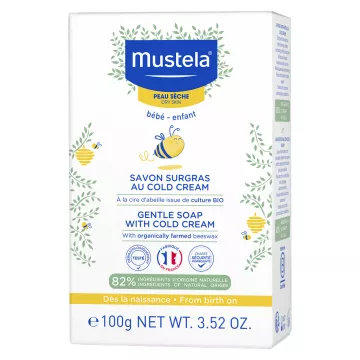
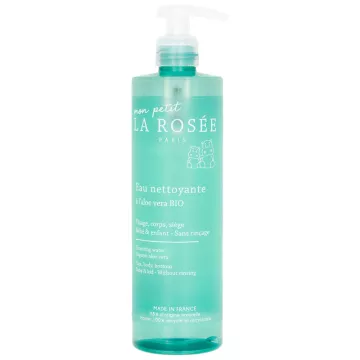
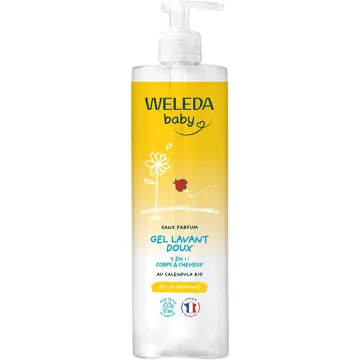
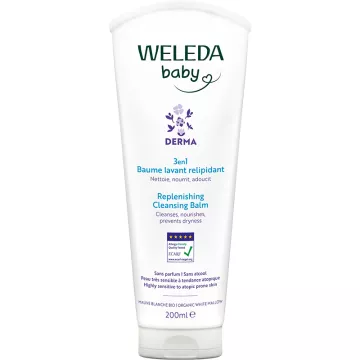
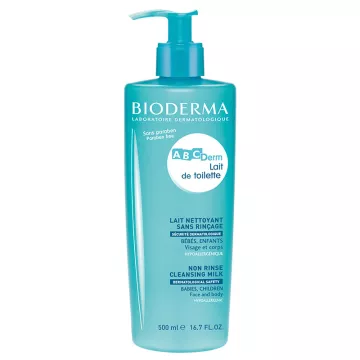
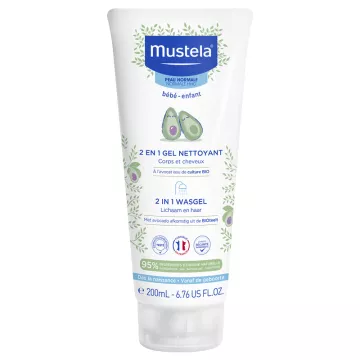
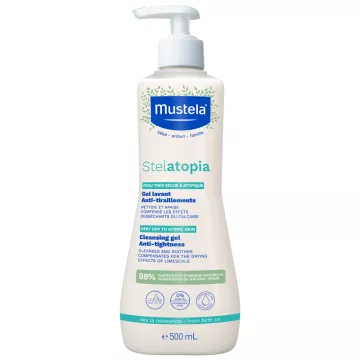
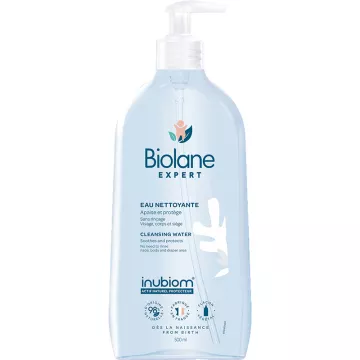
- Mild babysoap or wash gel: hypoallergenic, fragrance-free, and pH-balanced
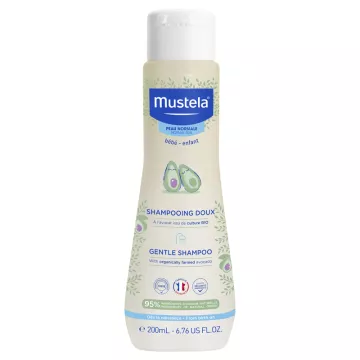
- Mild shampoo specially formulated for babies, tear-free
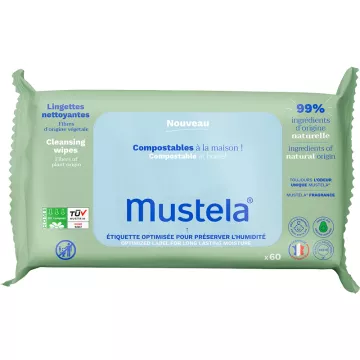
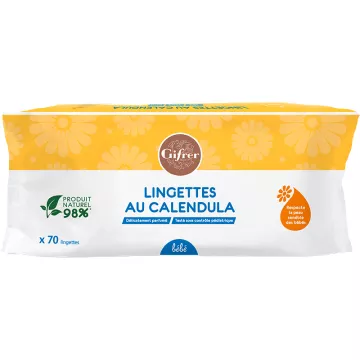
- Alcohol-free, fragrance-freecleansing wipes, or cotton pads and lukewarm water for the most sensitive skin
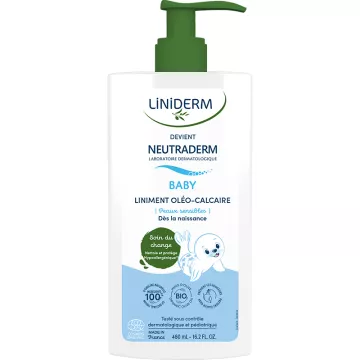
- Oleo-calcareous liniment for daily diaper changes
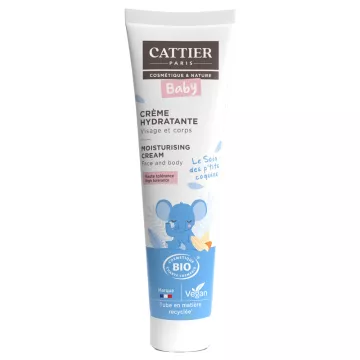
- Moisturizing cream to nourish and protect delicate skin
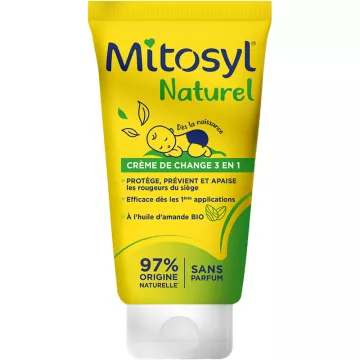
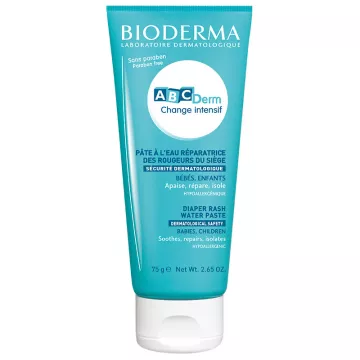
- Zinc oxide-baseddiaper rash cream for redness
- Bath thermometer to check the temperature (37 °C)
- Soft cotton towel specifically for babies
- Hairbrush with soft bristles and a washcloth for facial care
Always choose products with a short, easy-to-read list of ingredients, ideally certified by Cosmebio, Ecocert, or Cosmos Organic. For babies with a family history of atopic dermatitis, dry skin care requires special attention using products specifically formulated for this condition.
How often should you bathe a baby?
Bath time is a special moment, but the frequency should remain reasonable to protect the infant’s skin:
- Newborn (0–3 months): 2 to 3 baths per week are more than enough
- Infant (3–12 months): 3 to 4 baths per week
- From age 1 onward: a daily bath is acceptable if the child enjoys it
- Cleaning the face and bottom: every day, regardless of bath time
- Bath duration: 5 to 10 minutes to limit skin dehydration
- Water temperature: Exactly 37 °C, checked with a thermometer
- Bathroomtemperature: 22 to 24 °C for the baby’s comfort
Bathing too frequently or for too long with unsuitable products strips away the hydrolipidic film and promotes dryness and eczema. For the baby’s daily hygiene routine, the priority should be gentleness and observing the skin’s reaction rather than adhering to a strict schedule.
How to Choose the Best Baby Hygiene Products?
The choice of hygiene products directly affects the baby’s skin health and comfort. Key criteria:
- Labeled “for babies” or “from birth” on the packaging
- Hypoallergenic and fragrance-free
- Free of long-chain parabens, harsh sulfates (SLS, SLES), and alcohol
- Free of phenoxyethanol in products intended for the diaper area of children under 3 years of age (prohibited by EU Regulation 2019/1257)
- Tested under pediatric and dermatological supervision
- Eco-labels (Cosmebio, Ecocert, Cosmos) for certified organic formulas
- Short and easy-to-understand ingredient list
- Parent reviews and recommendations from a licensed pharmacist to help narrow down your choices
If your child has particularly sensitive skin or a family history of atopy, consulting a pharmacist or pediatrician is still essential to tailor the skincare routine. Avoid using too many products: a few well-chosen essentials are better than a haphazard collection.
What are the best practices for changing a diaper?
Changing a diaper is a task repeated many times a day that requires the right technique:
- Frequency: every 2 to 3 hours and always after each bowel movement
- Preparation: Have all supplies within reach (clean diaper, wipes or cotton pads + lukewarm water, cream, diaper bag)
- Wash your hands before and after each diaper change
- Gently clean from front to back, especially for girls, to prevent urinary tract infections
- Dry thoroughly by patting, especially in the folds
- Apply a protective treatment (daily liniment, zinc cream if there is redness)
- Make surethe diaper fits snugly —neither too tight nor too loose
For step-by-step technical details and advice on the best supplies to use, see our recommendations for changing your baby. Consistency is the best way to prevent diaper rash.
How can you prevent skin irritation in babies?
A baby’s skin, which is immature and permeable, requires special attention. To prevent irritation:
- Dry thoroughly after every bath or diaper change, paying special attention to skin folds (neck, armpits, groin)
- Moisturize daily with a baby-specific product suited to your baby’s skin type
- Choose clothing made of natural fibers (cotton, organic linen) rather than synthetic fabrics
- Avoid clothing that’s too tight or has irritating tags
- Limit baths that are too long or too hot, as they can dry out the skin
- Use a mild, fragrance-freelaundry detergent for baby clothes
- Air out the diaper area regularly to prevent skin maceration
- Watch for early signs of a reaction (redness, dry patches, itching)
Persistent or widespread irritation in a baby warrants a pediatric consultation to identify the cause (allergy, atopic eczema, seborrheic dermatitis) and adjust treatment accordingly.
What are the risks associated with poor hygiene in babies?
Inadequate or improper hygiene can lead to several health problems:
- Bacterial or fungalskin infections (intertrigo, fungal infections)
- Contact dermatitis caused by products that are too harsh or allergenic
- Severe or recurrentdiaper rash
- Urinary tract infections in girls, particularly if the area is not cleaned properly
- Extensivecradle cap on the scalp
- Contact eczema or worsening of atopic dermatitis
- Umbilical cord infections in the first few days
Conversely, excessive hygiene —such as too-frequent bathing and harsh products—also disrupts the skin’s natural flora and weakens the protective barrier. Achieving balance requires gentle, regular (but not excessive) care and close observation of the child’s skin.
How can you ensure your baby’s oral hygiene?
Oral hygiene begins even before the first teeth appear:
- Before teeth appear (0–6 months): Gently clean the gums with a soft cloth or a silicone finger sleeve moistened with lukewarm water after meals
- When the first teeth appear (around 6 months): introduce a soft, baby-specific toothbrush, without toothpaste or with a trace of age-appropriate fluoride toothpaste, following UFSBD recommendations
- From 6 months to 3 years: fluoride toothpaste containing 500 ppm of fluoride, in a “grain of rice”-sized amount
- From age 3 onward: fluoride toothpaste containing 1,000–1,450 ppm fluoride, in a “pea-sized” amount
- Brushing: Twice a day, morning and night, under parental supervision and with parental involvement
- First dental visit recommended around age 1, followed by annual visits
Avoiding sugary bottles at night, gradually weaning the child off the bottle around 12–18 months, and limiting added sugars provide long-term protection for the teeth. Teething should also be managed with a routine tailored to the baby’s comfort.
Should baby clothes be washed separately?
Washing baby’s laundry requires a few precautions to protect their sensitive skin:
- Separate baby clothes from adult clothes, especially during the first few months
- Use a mild, fragrance-free, hypoallergenicdetergent —ideally one with an eco-label
- Strictly avoid conventionalfabric softener, which can irritate delicate skin
- Use moderate amounts to minimize chemical residue
- Run a second rinse cycle to remove all traces of detergent
- Wash diapers, bibs, and onesiesat 40–60 °C to limit bacterial growth
- Pre-wash new clothes to remove manufacturing finishes
- Avoid prolonged drying in direct sunlight to prevent fabrics from becoming stiff
For atopic or highly sensitive skin, your pharmacist may recommend specific laundry detergents. Frequent laundry rotation (changing bibs and onesies that come into direct contact with the skin daily) complements these precautions.
How should the umbilical cord be cared for?
Caring for the umbilical cord is an essential part of hygiene during the first 7 to 15 days, until it falls off on its own:
- Current recommendations (HAS, WHO): simple cleaning with water and mild soap, without routine use of antiseptics in healthy full-term newborns
- Thorough drying with a sterile gauze pad, gently patting
- Keep it exposed to the air as much as possible
- Fold the diaper down below the navel so as not to cover the cord
- Loose-fitting clothing that does not irritate the area
- Thoroughhandwashing before each care session
- Daily monitoring: redness, swelling, pus-like discharge, an unpleasant odor, persistent bleeding, or a fever in the baby require immediate medical attention
Recommendations have changed: the routine application of 70° alcohol is no longer the standard practice. Follow the instructions provided by the maternity ward or the independent midwife responsible for your at-home care. The umbilical cord usually falls off on its own between days 7 and 15, though it may fall off later without any underlying medical cause.
How should you handle your baby’s hygiene while traveling?
Traveling with a baby requires planning ahead to maintain impeccable hygiene:
- Travel hygiene kit: wipes or a pack of cotton balls + water, mini liquid soap, mini tube of diaper cream, hand sanitizer, diaper bags
- Enough diapers + 2 or 3 extra per day
- Extrasets of clothes for both the baby and the parents
- Portable, washable changing pad
- A clean towel specifically for the baby to use during bath time at your destination
- Check in advance for accommodations that offer suitable facilities (changing table, bathtub)
- Water for washing: if traveling to an area where the tap water is not safe to drink, use bottled water for the first few times you wash your baby’s face
- Be aware of local differences: diapers, wipes, and fragrance-free soaps may not always be available at every destination
When traveling by plane or train, plan to change your baby in a clean, designated area or on your portable changing mat. A first-aid kit suitable for babies (thermometer, saline solution, soft bandages) is a useful addition to your travel kit.
How should you manage skin conditions in babies?
Several common skin conditions affect infants and require appropriate care:
- Diaper rash: frequent diaper changes, gentle cleansing, zinc oxide cream, allowing the skin to air out
- Atopic eczema: daily use of emollients, a suitable cleansing gel, avoiding aggravating factors (heat, sweat, wool), and consulting a dermatologist in case of a severe flare-up
- Cradle cap: Apply vegetable oil 30 minutes before bath time, gently brush, then use regular shampoo
- Neonatal acne: gentle cleansing with water, without touching the affected area; resolves on its own within 1 to 3 months
- Seborrheic dermatitis: specific treatments as advised by a pharmacist or pediatrician
- Milium: small white bumps on the face; not serious; resolves on its own
- Heat rash: Keep the environment cool; wear light, cotton clothing
For any extensive, oozing, or painful skin lesion accompanied by fever or a change in the baby’s general condition, consult a pediatrician. For long-term management ofa baby’s eczema, regular follow-up with a dermatologist may be helpful in cases of recurrent flare-ups. Always avoid products that are scented or contain allergens during an active flare-up.