What is baby skin irritation, and what causes it?
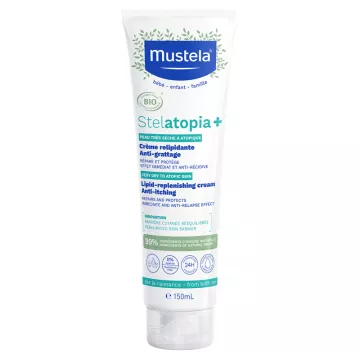
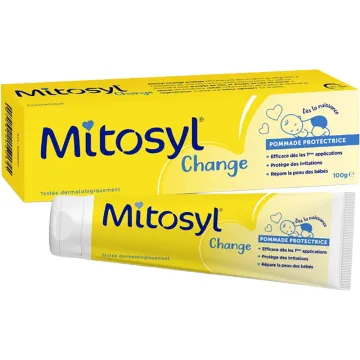
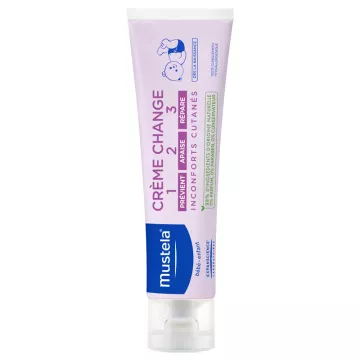
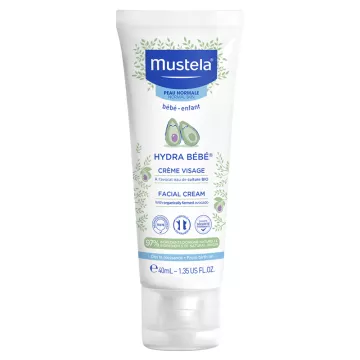
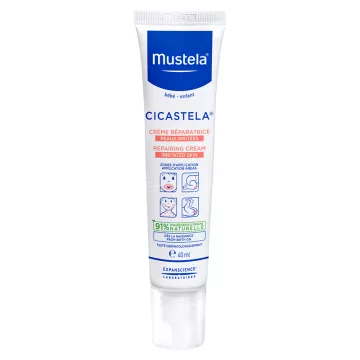
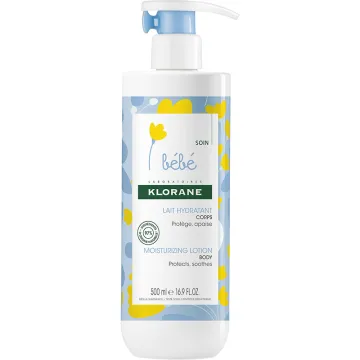
Diaper rash refers to any inflammatory skin reaction on an infant’s skin—which is five times thinner than an adult’s, has an immature skin barrier, and is particularly vulnerable to friction, moisture, and chemical irritants. Redness, itching, and crying due to discomfort are the most common signs. Baby care products are available in the store’s diaper-changing section.
- Prolonged contact with a soiled diaper: Urine and stool contain enzymes and ammonia that macerate the delicate skin of the diaper area—the main trigger—so change the diaper as soon as it is soiled, without delay
- Chemical irritants in products: fragrances, preservatives (parabens, MIT), alcohol, and dyes found in certain wipes, lotions, or creams—always choose products that are fragrance-free and dermatologically tested
- Repeated friction: neck folds, armpits, groin folds—areas prone to maceration where heat and moisture promote mechanical irritation
- Food allergy: changes in stool composition (acidity, enzymes) following the introduction of a new food or a change in formula—skin irritation on the buttocks is often an indirect sign of an intolerance that should be investigated
- Environmental factors: excessive heat, high humidity, clothing made of synthetic fibers or washed with harsh detergent
How can you treat and soothe a baby’s skin irritation?
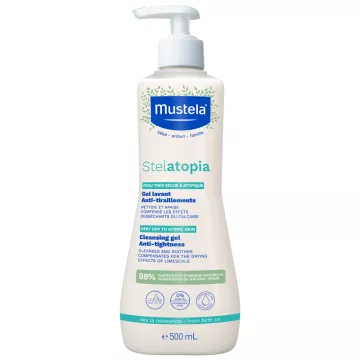
Treatment primarily involves gentle cleansing and restoring the skin barrier. At each diaper change, clean the area with an oil-and-lime liniment or a no-rinse cleansing water suitable for infants’ sensitive skin—the liniment (olive oil + lime water) cleanses, protects, and repairs simultaneously without irritating the skin. Gently pat dry (never rub) before applying the protective cream.
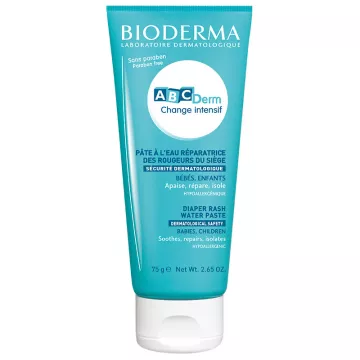
- Zinc oxide: the go-to active ingredient in diaper rash creams—forms a physical barrier impermeable to moisture—has anti-inflammatory and skin-healing properties—apply a generous layer at every diaper change as soon as redness appears
- Aloe vera: a soothing and moisturizing gel recognized for its benefits on irritated skin—has anti-inflammatory and cooling properties—use a pure gel free of alcohol and fragrance—test on a small area 24 hours before applying to the infant’s sensitive skin
- Calendula (Calendula officinalis): one of the most well-documented plants for infants’ delicate and irritated skin — soothing, healing, and mildly antibacterial properties — found in many organic diaper rash creams — the go-to choice in pediatric herbal medicine for skin irritations
- Coconut oil and shea butter: nourishing and film-forming—repair the damaged skin barrier—coconut oil has mild antibacterial properties (lauric acid)—use pure or in baby-safe formulas
- Exposure to the open air: let the skin on the bottom air out for a few minutes with each diaper change — allowing the skin to breathe accelerates healing and reduces maceration
How to Choose the Right Products and When to Seek Medical Advice?
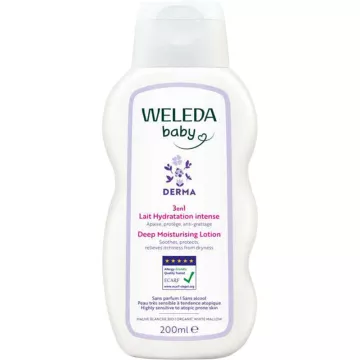
Since an infant’s skin is immature, not all products are suitable. Labels such as “dermatologically tested on infant skin,” “fragrance-free,” “hypoallergenic,” and “baby’s physiological pH (5.5)” indicate suitable formulas. Opt for certified organic product lines (Ecocert, Cosmébio, Natrue) that limit ingredients likely to disrupt the skin barrier as it matures.
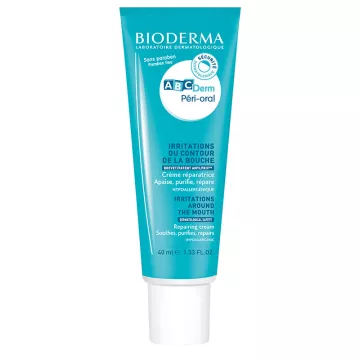
- Products to choose: alcohol- and fragrance-free wipes (or water + reusable cotton pads) — diaper rash cream with zinc oxide and/or calendula — preservative-free oil-and-calcium liniment — breathable, chlorine-free diapers
- Products to avoid: talc (inhalation risk) — scented wipes containing MIT (methylisothiazolinone) — corticosteroid creams without a doctor’s prescription — harsh alkaline or foaming soaps
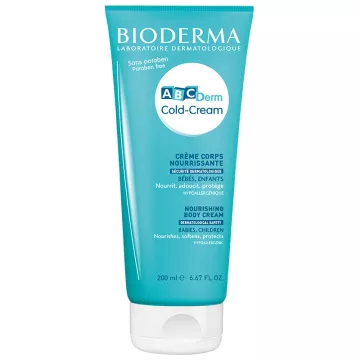
- Eczema and atopic skin: Persistent irritation despite appropriate care may indicate infant eczema — pediatric care is essential — fragrance-free emollients (cold cream, cerate) form the basis of topical treatment
- Consult a doctor or pediatrician if irritation is accompanied by a fever — weeping or crusted lesions suggestive of a secondary infection — rapid spread over large areas — no improvement after 3 to 5 days of appropriate care — or if the baby seems very uncomfortable