What is zinc oxide, and how does it affect the skin?
Zinc oxide (ZnO — INCI: Zinc Oxide) is a natural mineral compound of inorganic origin that has been used in dermatology, cosmetics, and pharmacy for centuries. Unlike zinc in the form of a dietary supplement (which serves an internal nutritional purpose), zinc oxide acts when applied topically—it is not absorbed in significant quantities by intact skin. Its properties are based on three complementary actions: physical UV filter (reflection of ultraviolet rays), astringent and purifying action (antibacterial and sebum-regulating), and restorative action (wound-healing and anti-inflammatory). Discover our sunscreen products, baby sunscreen products, and diaper rash treatments.
- UV protection mechanism (physical filter): zinc oxide is a broad-spectrum inorganic UV filter—it reflects and scatters UVA (320–400 nm) and UVB (290–320 nm) rays before they penetrate the skin—unlike chemical (organic) filters, which absorb UV rays and convert them into heat—micrometer-sized (non-nano) particles: visible “white cast” effect but no skin penetration — nanometer-sized (nano) particles: transparent but potentially penetrating (safety is debated)
- Antibacterial and anti-inflammatory action: controlled release of Zn²⁺ ions at the skin’s surface → inhibition of bacteria (including Cutibacterium acnes—formerly P. acnes—which causes acne) — Inhibition of matrix metalloproteinases (MMPs) → reduced degradation of dermal collagen — Inhibition of prostaglandins and pro-inflammatory cytokines → reduced redness and edema
- Astringent and sebum-regulating action: visually tightens pores — absorbs excess sebum (mattifying powders and foundations) — reduces the production of pro-inflammatory free fatty acids by the sebaceous glands — a mechanism complementary to that of niacinamide (which acts upstream on the sebaceous glands)
- Barrier and healing effects: forms a protective occlusive film on the skin — isolates irritated areas from moisture, friction, and infectious agents — activates keratinocyte proliferation (epidermal regeneration) — stimulates the synthesis of metalloprotein-1 (a skin repair enzyme)
- Non-nano vs. nano: the scientific debate — EFSA (2016) and the European SCCS concluded that ZnO nanoparticles (< 100 nm) do not significantly penetrate healthy skin — but there is a potential risk of inhalation (spray/powder formulations) → prioritize non-nano formulations for sprays — on damaged skin or in the respiratory tract: insufficient data → exercise maximum caution — mandatory labeling: “nano” if particles are nanometer-sized
Zinc Oxide as a Sunscreen: Applications and Regulations
- Regulatory status: in Europe (EC Regulation 1223/2009, Annex VI)—authorized as a UV filter up to 25% in cosmetic products—in nano form, subject to specific evaluation by the SCCS—in the U.S. (FDA): zinc oxide is “generally recognized as safe and effective” (GRASE)—the safest and best-tolerated filter recognized by the FDA—check out our sunscreen sprays
- Benefits of ZnO as a sunscreen: broad-spectrum UVA + UVB protection in a single molecule — photostable (does not degrade under UV exposure, unlike certain chemical filters) — non-allergenic (alternatives to chemical filters — benzophenone-3, PABA) — water-resistant — recommended by dermatologists for sensitive and atopic skin, as well as for children — discover our children’s sun care products
- Limitations of ZnO filters: “white cast” effect in non-nano micrometer-sized formulas → micro-pigmented or transparent formulas — sometimes thick texture (difficult to apply) — new formulas use micro-finely ground particles, coating agents (zinc stearate), or combinations with titanium dioxide (TiO₂) to improve texture
- ZnO + Titanium Dioxide (TiO₂) Combination: These two mineral filters are often combined — ZnO offers better UVA protection — TiO₂ offers better UVB protection — this combination provides broad-spectrum protection with a high SPF at lower concentrations — check out our sunscreen formulations
- SPF and UVA protection: SPF indicates only UVB protection—the UVA protection index (PA+++ or the European UVA protection system) is crucial—ZnO effectively protects against both → check that the formula contains the UVA logo in a circle (UVA protection ≥ 1/3 of the SPF)
Dermatological applications: acne, babies, sensitive skin
- Acne and blemishes: Zinc oxide is one of the few topical active ingredients that offers antibacterial (Cutibacterium acnes), anti-inflammatory, sebum-regulating, and healing effects—proven effective at 4–10% in acne-fighting creams — less effective than topical retinoids on comedones but without irritating effects — synergistic with niacinamide (sebum) and dexpanthenol (repair) — discover our blemish care products
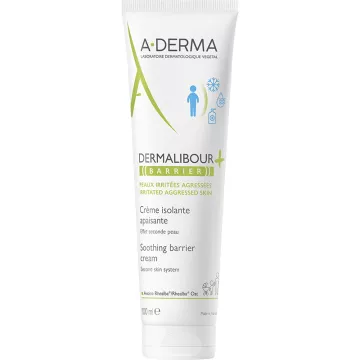
- Diaper rash and baby care: the gold standard for diaper rash — zinc oxide forms an occlusive, protective barrier between the skin and urine/feces — water-resistant → effectiveness maintained when in contact with moisture from diapers — effective concentrations: 10–40% (thick ointments) — apply at every diaper change to clean, dry skin — combine with dexpanthenol (active skin repair) — explore our diaper rash treatments
- Sensitive skin, rosacea, eczema: a non-irritating, gold-standard UV filter for reactive skin — soothing anti-inflammatory properties for rosacea-related redness — strengthens the compromised skin barrier in eczema — opt for alcohol-free formulas, fragrance-free, and free of harsh preservatives — the addedhyaluronic acid helps replenish the skin barrier’s moisture
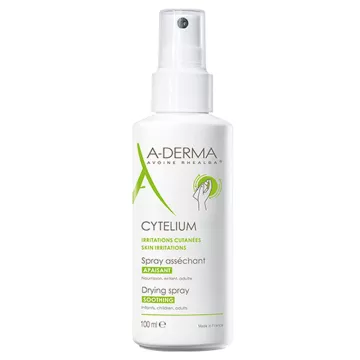
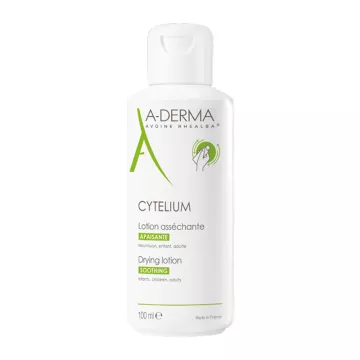
- Sunburn and after-sun care: zinc oxide in an after-sun cream → immediate anti-inflammatory and healing action — reduces erythema (redness and pain from sunburn) — combine with dexpanthenol and aloe vera for maximum soothing and regenerative effects
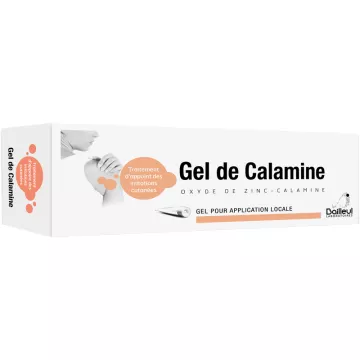
- Calamine: Calamine is a traditional mixture of zinc oxide (the main component) + ferric oxide (which gives it its pink color) — anti-pruritic action (mild antihistamine) + helps dry out blisters — recommended for chickenpox (see chickenpox blisters), hives, and insect bites
Formulations, cosmetics, and buying tips
- Available cosmetic forms: sunscreens (SPF 30–50+ — alone or combined with TiO₂) — healing and protective baby ointments (10–40%) — acne-fighting creams (4–10%) — mattifying loose powders (1–10%) — mineral foundations (active ingredient + coverage + SPF) — tinted BB creams — calamine lotion (28–30% ZnO)
- Mineral makeup: zinc oxide is the cornerstone of mineral cosmetics — foundations, powders, bronzing powders, blush — provides coverage + a matte finish + light UV protection — suitable for acne-prone skin (non-comedogenic) and sensitive skin — natural and organic makeup certified by ECOCERT/COSMOS
- Pure zinc oxide powder (DIY): available as 99% raw powder for homemade formulations—5–25% in sunscreens—10–40% in baby barrier ointments—never inhale (risk of respiratory irritation)—wear a mask when handling the powder
- Quality criteria: “non-nano” label for spray or aerosol formulas — clearly indicated concentration (at least 5% for UV protection and 10–15% for significant barrier action) — fragrance-free and alcohol-free for sensitive skin and babies — organic certifications (ECOCERT, COSMOS) for natural formulas — “mineral” label on sunscreens
- Contraindications and precautions: do not inhale the powder in its pure form (respiratory tract irritation) — avoid contact with the eyes — “nano” spray formulas are not recommended as a precaution for infants and people with bronchial conditions — for very dry skin: combine with a rich emollient (shea butter, vegetable oil) to prevent drying — never apply to deep or infected wounds without medical advice