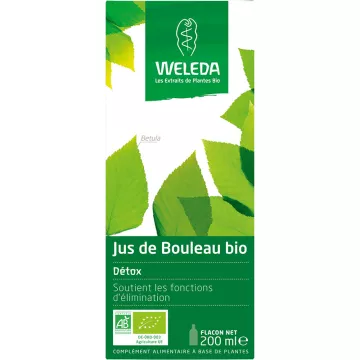
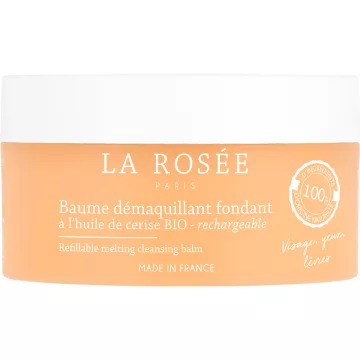
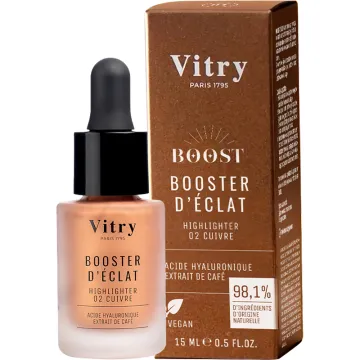
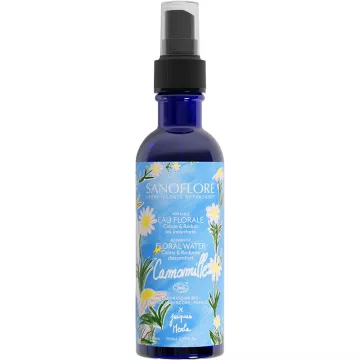
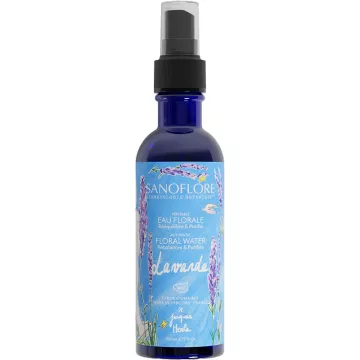
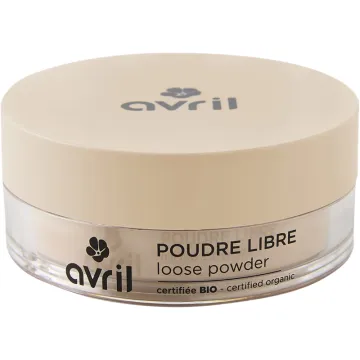
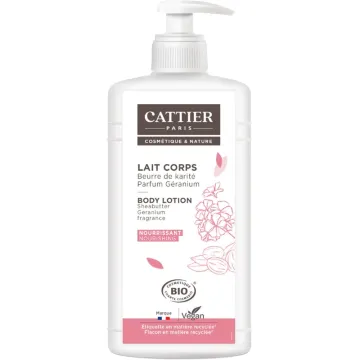
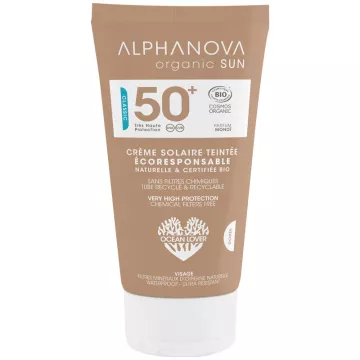
An organic cosmetic is a beauty product formulated primarily from ingredients of natural origin, a specified portion of which comes from organic farming.
These products are developed with respect for the environment and exclude synthetic pesticides, chemical fertilizers, and GMOs from their supply chains.
The packaging is often eco-designed (recyclable, refillable, made from a single material) to minimize the overall environmental impact.
Certification by an independent organization remains the most reliable criterion for distinguishing a true organic cosmetic from a product simply labeled “natural.”
Choosing organic cosmetics offers several benefits depending on your preferences and needs.
First, these products avoid certain ingredients that may irritate sensitive skin, which can reduce the risk of reactions in those with sensitive skin.
Second, they can reduce exposure to certain synthetic allergens, even though natural ingredients (essential oils, plant extracts) can also be allergenic.
Finally, they support agricultural practices that are more respectful of biodiversity, natural cycles, and production conditions.
To ensure the quality of an organic cosmetic, check for recognized independent certifications.
The most established certifications in Europe are Ecocert, COSMOS Organic, Cosmébio, Nature et Progrès, BDIH, and Natrue.
Each certification sets specific thresholds for organic and natural ingredients, as well as strict rules regarding manufacturing processes.
The logo must be displayed directly on the packaging: simply mentioning it in text is not enough to prove that the product is actually certified.
A genuine organic cosmetic has an official certification explicitly displayed on the packaging.
Read the INCI list carefully: ingredients of natural and organic origin must appear at the top of the list, and organic active ingredients are often marked with an asterisk.
Be wary of marketing claims such as “natural,” “plant-based,” or “inspired by nature,” which are not regulated and offer no guarantees.
Also check the manufacturer’s transparency regarding traceability, the origin of ingredients, and the brand’s CSR commitments.
Some ingredients may be avoided based on personal preference, which should be evaluated on a case-by-case basis using factual information:
Organic cosmetics generally contain nourishing natural active ingredients, such as plant oils, butters, and plant extracts.
These ingredients are often rich in vitamins, antioxidants, and essential fatty acids that support skin comfort and the skin’s natural radiance.
Essential oils found in certain formulas provide specific sensory experiences and cosmetic properties.
Essential oils are not suitable for everyone: they are not recommended for pregnant or breastfeeding women, children under 3 years old (sometimes under 6 years old, depending on the essential oil), or people allergic to their ingredients.
Organic cosmetics, often formulated with mild preservatives or in reduced concentrations, require special care when storing.
Store products in a cool, dry place, away from direct light and temperature fluctuations (avoid windowsills or hot cars).
Seal tightly after each use to minimize oxidation and microbial contamination.
Observe the “use-by” period (PAO) indicated by the “open jar + number + M” symbol on the packaging, which is generally 6 to 12 months.
The production of organic cosmetics generally has a lower environmental impact compared to conventional cosmetics.
Organic farming methods exclude synthetic pesticides and fertilizers, which protects ecosystems and soil health.
Eco-friendly manufacturing processes aim to limit energy and water consumption and reduce waste, sometimes combined with packaging choices such as biodegradable wipes.
However, transportation, packaging, and the product’s end-of-life phase all affectthe overallecological footprint: prioritize brands that are committed to sustainability throughout the entire value chain.
Organic cosmetics are generally well tolerated by most skin types, including sensitive skin.
Their natural composition limits exposure to certain potential irritants found in some conventional formulations.
However, some people may be sensitive to specific naturally derived ingredients (essential oils, plant extracts, natural fragrances).
Perform a skin test on the inside of your elbow 48 hours before using a new product, especially if you have allergic or highly reactive skin.
The terms “organic” and “natural” are often confused but do not mean the same thing.
An organic cosmetic must be certified by an independent organization and comply with specific thresholds for ingredients derived from organic farming, as well as eco-friendly manufacturing standards.
A “natural” cosmetic simply indicates that the ingredients are primarily derived from natural sources, with no guarantee of organic production methods.
Certification remains the most reliable way to distinguish between the two categories on the market.
Making your own organic cosmetics allows you to control the ingredients and customize the products to your specific needs.
This can range from a simple mask made with fresh ingredients to more elaborate formulations (balms, creams, serums), for which our organic cosmetic ingredients section offers certified ingredients.
Learn about the properties and precautions for use of each ingredient; follow strict hygiene rules (sterilized equipment, clean hands, distilled or mineral water).
Essential DIY precautions: a suitable cosmetic preservative (Cosgard, Geogard) is required in aqueous formulations; short shelf life (3 to 6 months maximum); perform a skin test 48 hours before regular use; essential oils are not recommended for pregnant or breastfeeding women or for children under 3 years of age.