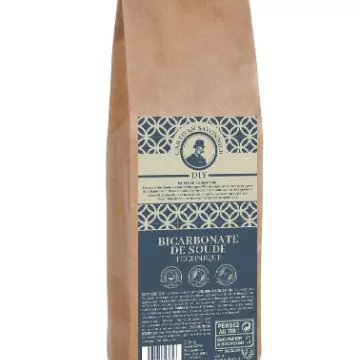
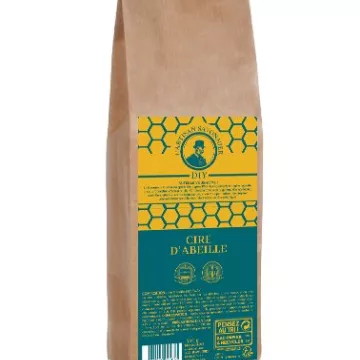
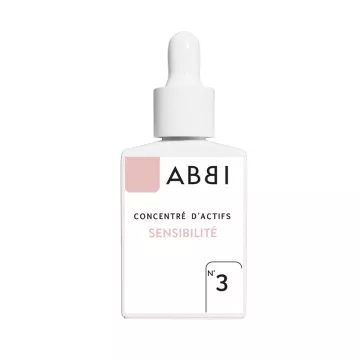
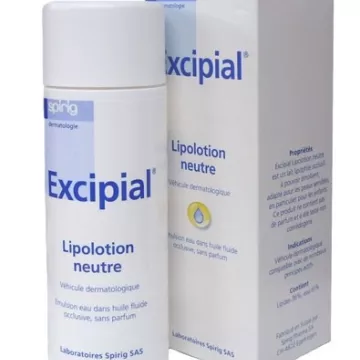
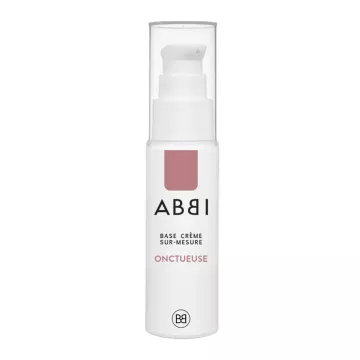
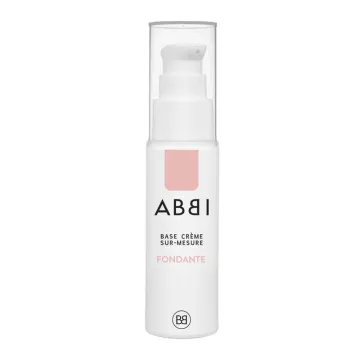
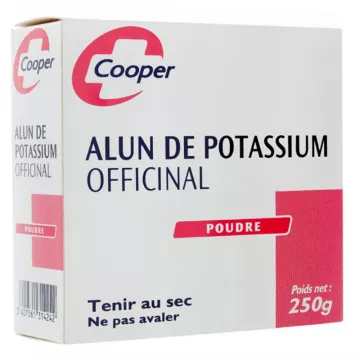
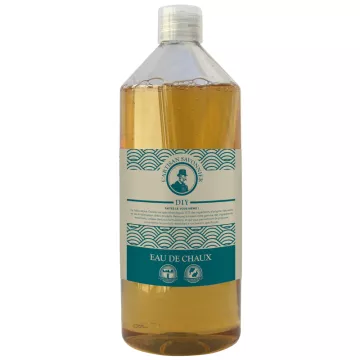
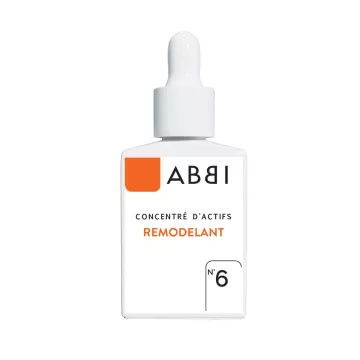
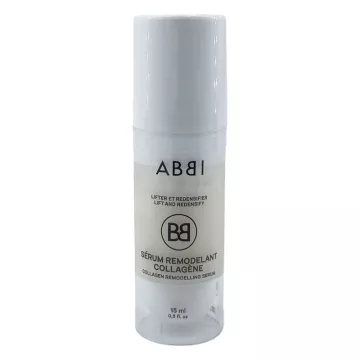
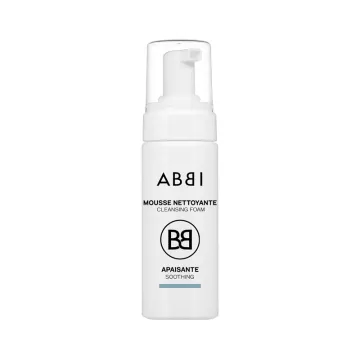
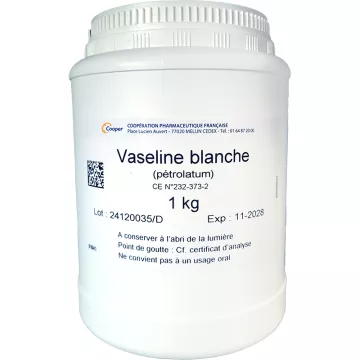
Want to create skincare products that reflect your personal style, from the base to the very last active ingredient? At Soin-et-nature.com, you’ll find a comprehensive selection ofnatural ingredients, neutral bases, and cosmetic actives to help you formulate your own homemade skincare products. Hyaluronic acid, collagen, plant oils, raw butters… each ingredient is designed to suit your skin and your needs, as part of an approach that’s personalized, health-conscious, and environmentally friendly.
More detailsThe “Do It Yourself” (DIY) trend is gaining popularity in many areas, including cosmetics making. More and more people are turning to making their own beauty products at home, using natural ingredients and following specific recipes. In this article, we’ll explore the reasons why it can be beneficial to make your own cosmetics using online resources, and we’ll dive into the fascinating world of DIY cosmetics.
Here are a few examples:
One of the main benefits of making your own cosmetics is the total control you have over the ingredients. By choosing high-quality raw materials, you can avoid harmful chemicals, harsh preservatives, and artificial fragrances often found in commercial products.
By making your own cosmetics, you can tailor them to your specific needs. Whether you have sensitive, dry, oily, or acne-prone skin, you can adjust the recipes to meet your individual needs.
Making your own cosmetics can also be more cost-effective in the long run. High-quality commercial products can be expensive, while most of the natural ingredients needed to make DIY cosmetics are affordable and last a long time.
By making your own products, you reduce your reliance on plastic packaging and single-use items. This helps lower your environmental footprint and promotes a more sustainable approach to beauty.
It’s very simple—here’s an explanation:
DIY is an acronym for “Do It Yourself,” which literally means “Do it yourself.” It encompasses all activities where you create, repair, or modify something on your own, instead of buying it ready-made or hiring professionals.
The DIY philosophy is gaining popularity in many areas, from sewing to interior design, cooking, and beauty. This reflects a growing desire to rediscover practical skills and take control of one’s daily life.
Here are the steps to make your own skincare products:
Before you start making DIY cosmetics, it’s essential to do thorough research. Learn the basics of natural cosmetics, the properties of ingredients, and basic recipes.
You’ll need basic supplies such as containers, clean kitchen utensils, natural ingredients, and essential oils. Make sure you have everything you need before you begin.
Start with simple, well-reviewed recipes. Following tried-and-true recipes ensures high-quality results and helps you avoid costly mistakes.
When making DIY cosmetics, hygiene is essential. Be sure to work in a clean space and sanitize your utensils.
Before using your homemade cosmetics on your skin, always do a patch test to make sure they don’t cause any allergic reactions.
Here’s a quick list:
Water is an essential ingredient in many cosmetic products. It serves as a base for creams, lotions, and hair care products. Be sure to use clean, pure water in your formulations. It’s best to use demineralized water.
Natural plant oils, such as olive oil, coconut oil, and sweet almond oil, are commonly used as base ingredients in cosmetics. They deeply moisturize the skin and hair.
Natural butters such as shea butter and cocoa butter are rich in nutrients and add a creamy texture to cosmetic products.
Essential oils are used to add natural fragrances and therapeutic properties to cosmetic products. They must be diluted properly because they are highly concentrated.
Making your own soap is great, but you need to follow a few rules and take some precautions.
Soap making is a popular DIY skill. You’ll need to learn the basics, including blending oils, handling lye, and the curing process.
Soap making involves the use of lye, which is corrosive. Be sure to wear safety gear such as rubber gloves and safety goggles.
Carefully select the oils and additives you want to include in your soap. The combinations are endless, allowing you to create unique soaps.
Follow proven soap recipes to ensure your soap is safe and effective. Precise measurements are essential in soap making.
Here’s the difference:
Distilled water is the most common and recommended option for making cosmetics. It’s pure, free of contaminants, and suitable for most formulations.
Some people prefer to use natural spring water for an even more natural approach. Make sure it’s clean and free of bacteria.
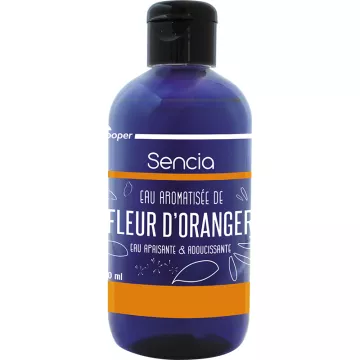
Floral waters, such as rose water and chamomile water, can also be used to add aromatic and therapeutic properties to your cosmetics.
There are some basic rules to follow—here’s how:
Cosmetic formulation involves creating balanced recipes by blending various ingredients to achieve the desired result. It’s essential to understand the basics of formulation, particularly the ratios and interactions between ingredients.
When formulating cosmetic products, take into account the skin’s specific needs. For example, if you’re creating a face cream, choose ingredients suited to the skin types of your potential customers.
Cosmetic formulation is an experimental process. You may need to adjust your recipes several times before achieving the desired final product.
Ensure that your formulation is stable and has an adequate shelf life. Use natural preservatives if necessary.
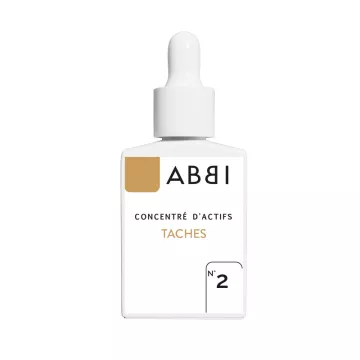
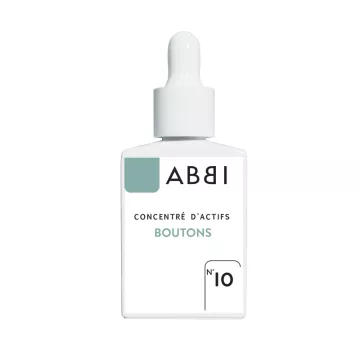
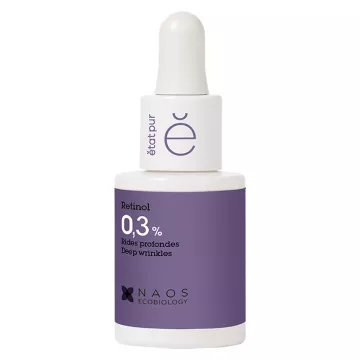
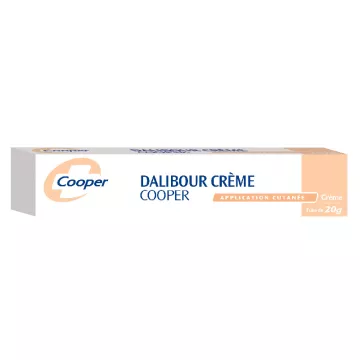
Soin-et-Nature offers a complete range of dermocosmetic products to meet the specific needs of every skin type and treat various skin concerns. Here are the available categories:
These dermocosmetic products available on Soin-et-Nature address your skin’s specific needs with effective, natural, and tailored solutions.