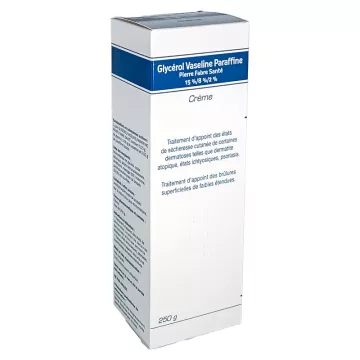
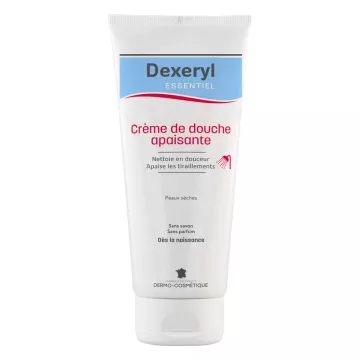
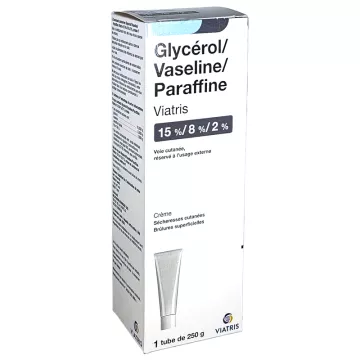
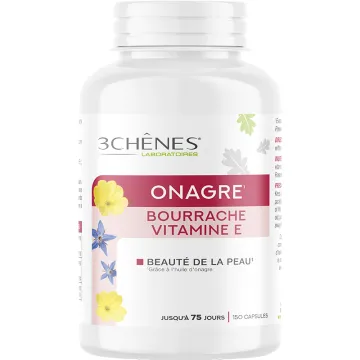
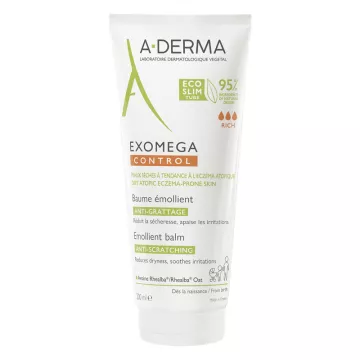
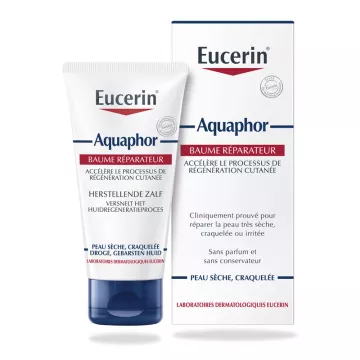
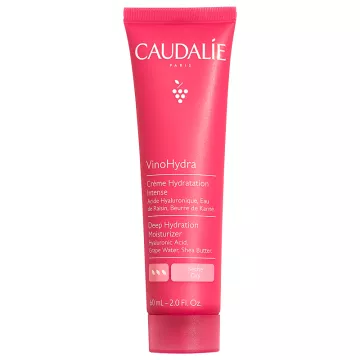
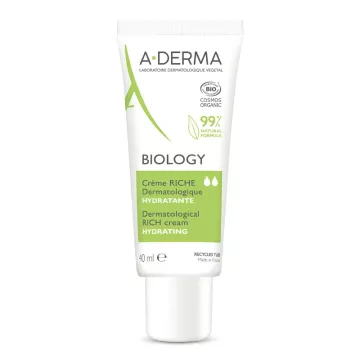
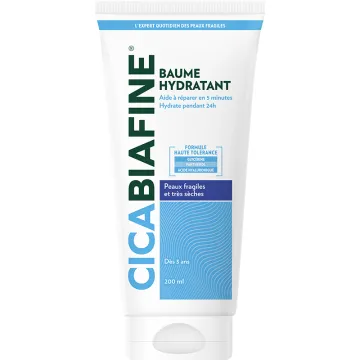
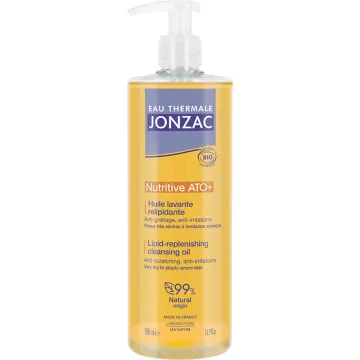
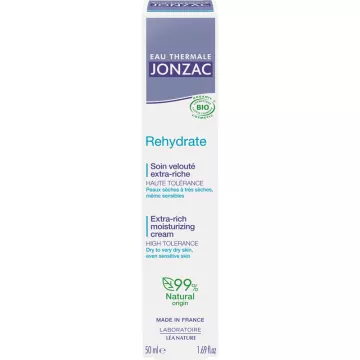
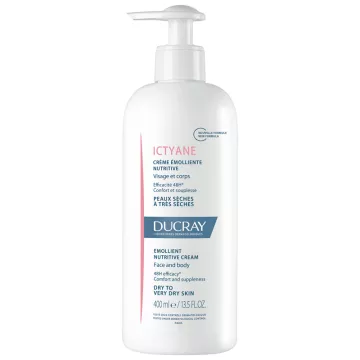
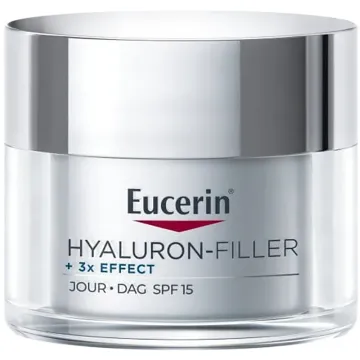
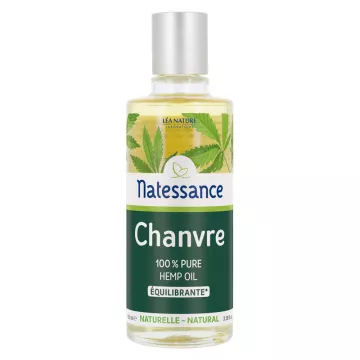
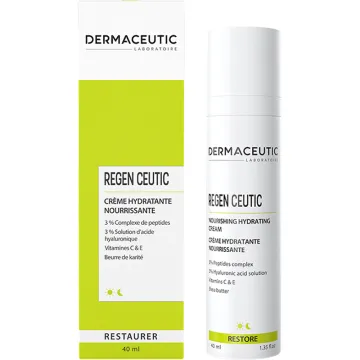
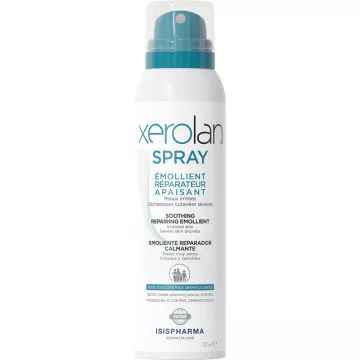
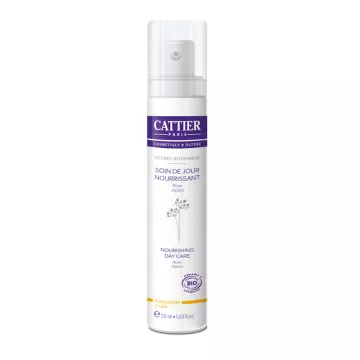
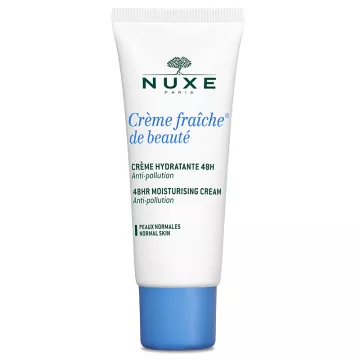
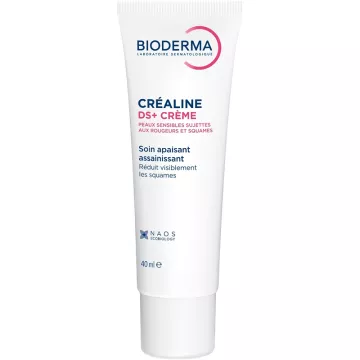
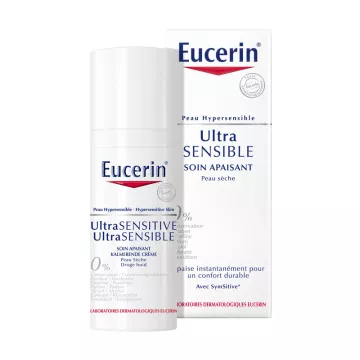
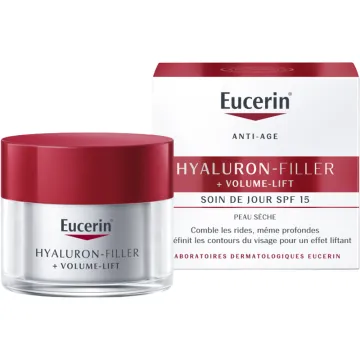
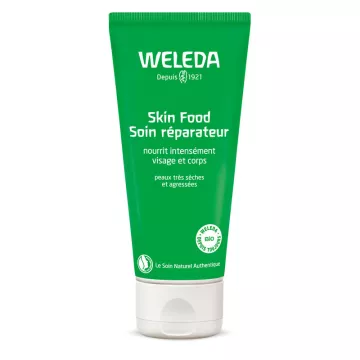
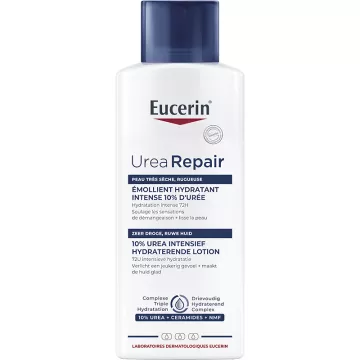
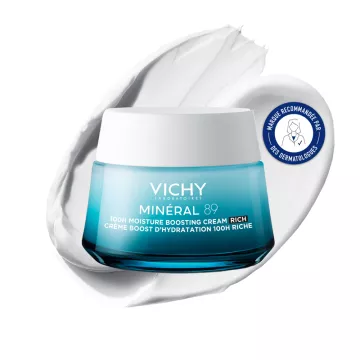
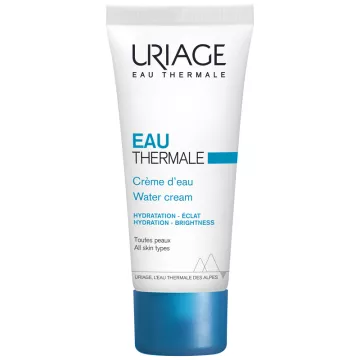
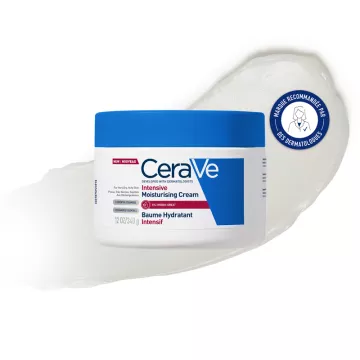
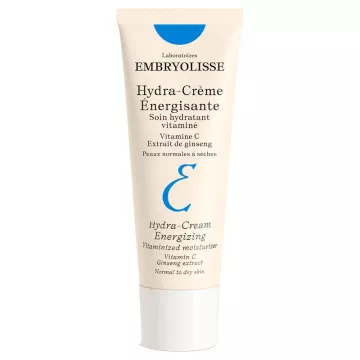
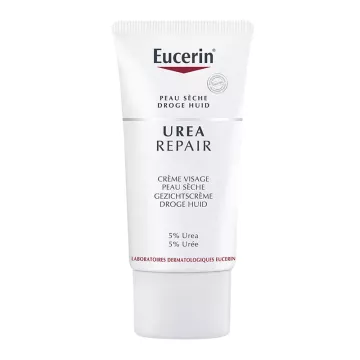
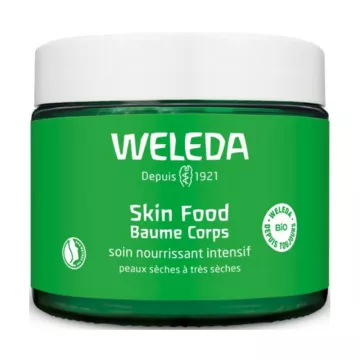
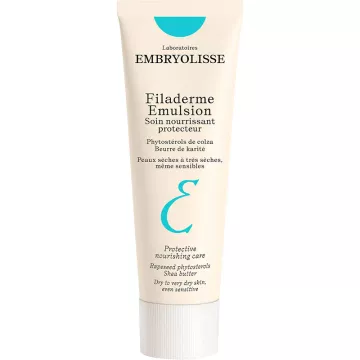
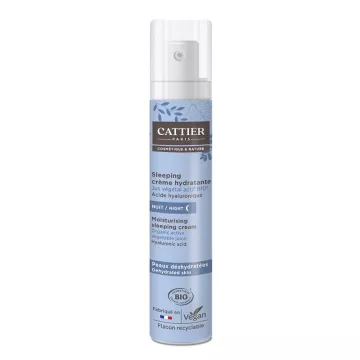
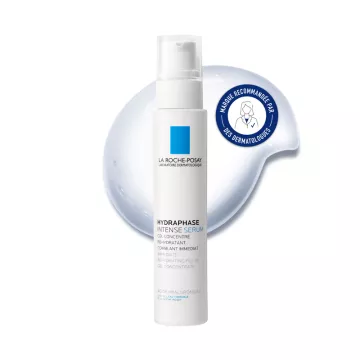
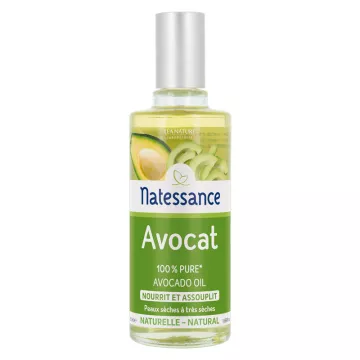
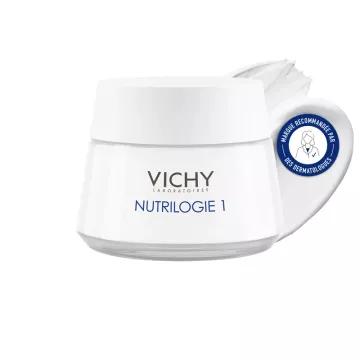
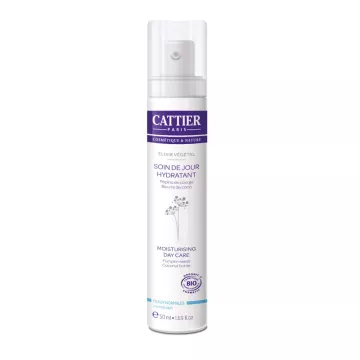
Does your skin feel tight, itchy, or rough on a daily basis? At Soin-et-Nature, we offer dermo-cosmetic products tailored for dry skin that envelop the skin in comfort. Moisturizing creams, nourishing balms, reparative oils… each formula is designed to restore the skin barrier, prevent dehydration, and relieve feelings of discomfort, restoring your skin’s natural suppleness and softness.
More detailsWhen our skin feels uncomfortable—tight or even flaky—we tend to assume we have dry skin and are quick to label it as such. But did you know there’s a big difference between dry skin and dehydrated skin?
And the good news is that dehydrated skin is a rarer occurrence and, most importantly, it’s temporary. Dry skin, on the other hand, is a skin type—a genetic trait that can’t be changed. We can improve the comfort of dry skin but not change the underlying cause—namely, a lack of lipids in the various layers of the epidermis.
That’s right: dry skin lacks lipids, and dehydrated skin lacks water. But how can you tell if your skin needs a dose of water or a dose of oil?
Dry skin:
This is skin that doesn’t produce enough oils. It operates in “economy mode,” producing only the bare minimum of the hydrolipidic film meant to protect our skin from external aggressors. When this film is compromised, it can also lead to water loss—resulting in a double whammy: dry and dehydrated skin. To defend itself, dry skin may also tend to thicken; this is a natural response to try to compensate for the lack of the hydrolipidic film.
I have dry skin if:
Dehydrated skin:
This is skin that craves hydration. However, most of the time, dehydrated skin is closely linked to dry skin because the skin’s protective barrier has also been compromised. Dehydrated skin can result from various factors: excessive air conditioning, stress, pollution, alcohol or tobacco abuse, or even certain medications that cause water loss.
I have dehydrated skin if:
To effectively restore skin comfort, it’s essential to choose skincare products based on cosmetic dermatology, specifically formulated to nourish dry skin or deeply rehydrate dehydrated skin.
The solution: a lipid-based cream—a nourishing cream designed to restore the compromised hydrolipidic film. It may contain ingredients such as shea butter or oils.
Any skin type (dry, oily, combination) can experience dehydration. The effects vary in severity, but this lack of moisture results in discomfort on the face and on all or part of the body, especially after a bath or shower.
Dehydrated skin is skin that lacks water. This dehydration manifests in several ways:
Dehydrated skin needs to be pampered daily with a gentle, tailored skincare routine: specific techniques and products. When applying moisturizer, always work from the inside out.
Our skin is made up of different layers, the outermost of which is the epidermis. On the surface of this epidermis is a layer (the stratum corneum) composed of dead cells bound together by a hydrolipidic film made up of water (sweat) and oil (the well-known sebum). It is precisely this thin layer that protects us from external aggressors (bacteria, wind, cold, pollution, etc.) and maintains our skin’s moisture level by preventing water from evaporating excessively.
All moisturizers share a common base made of water and fatty substances (which vary depending on the cream). You can pick up any cream and check its ingredients; it will always start with “Aqua,” followed by fatty substances such as vegetable oils, mineral oils, or others. The water in cosmetics actually hydrates the stratum corneum, while the fatty substances help retain water until the hydrolipidic film is restored.
Soin-et-Nature offers a complete range of dermocosmetic products tailored to the specific needs of each skin type. Here are the available categories:
These dermocosmetic products available on Soin-et-Nature allow you to care for your skin with tailored, gentle solutions for maximum effectiveness in your daily routine.