What types of feminine hygiene products are available, and how do they differ?
Sanitary products cover a wide range of items, each designed to meet different needs and lifestyles:
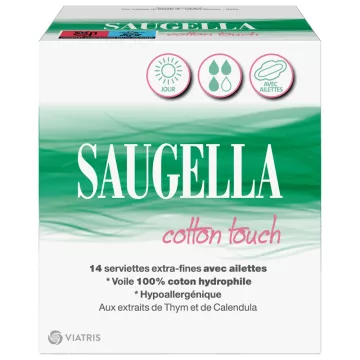
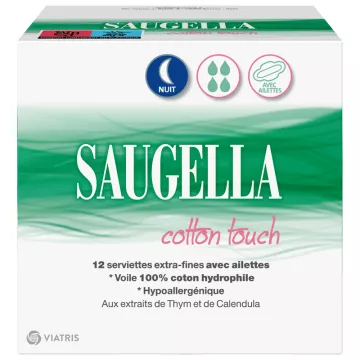
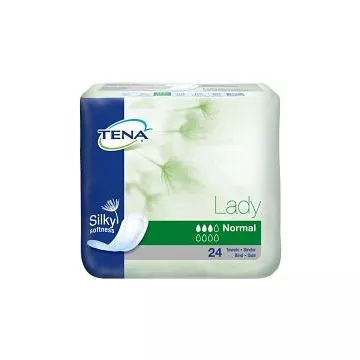
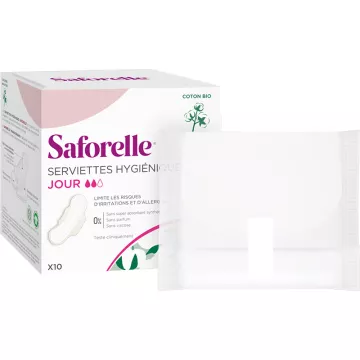
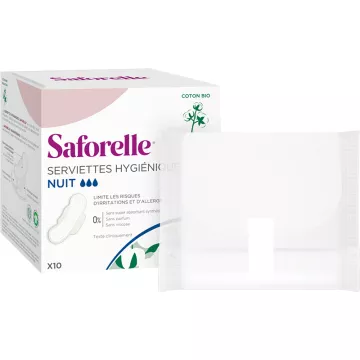
- Sanitary pads: for external use, simple, ideal for nighttime and for first periods.
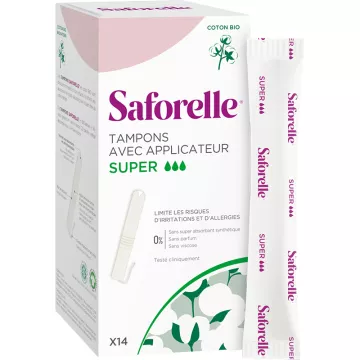
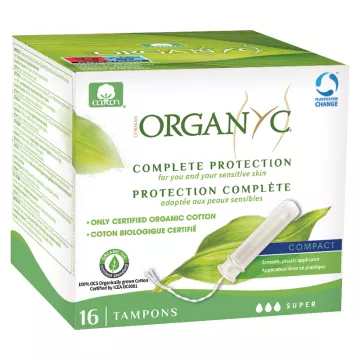
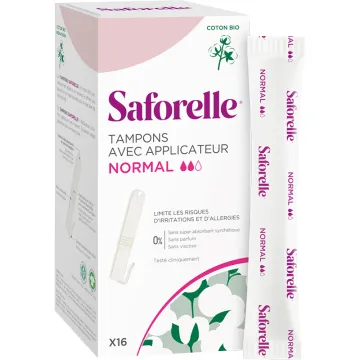
- Tampons: for internal use, discreet, suitable for sports and swimming—should be changed every 4 to 8 hours at most.
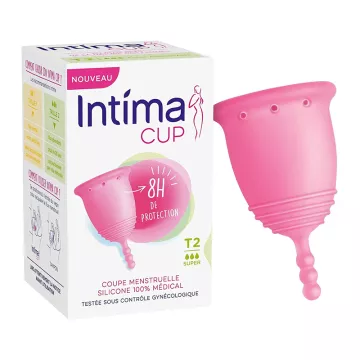
- Menstrual cup: for internal use, reusable for up to 12 hours, cost-effective in the long run.
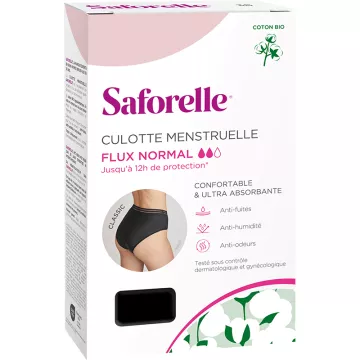
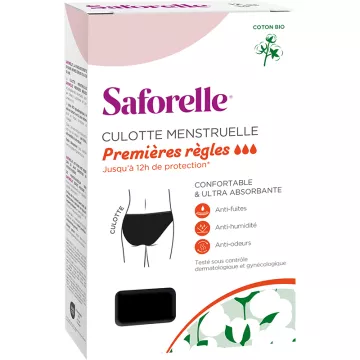
- Menstrual underwear: washable, comfortable, particularly suitable for light flow and overnight use.
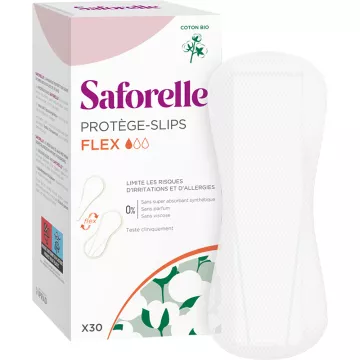
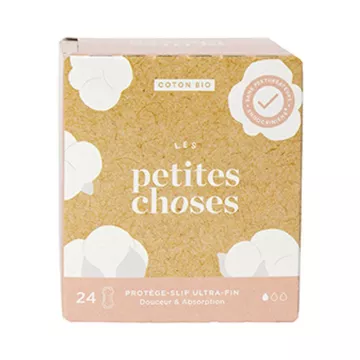
- Panty liners: for light spotting between periods or as a supplement to a tampon or menstrual cup.
Each option has its own specific advantages. The choice depends on your flow, activity level, personal preferences, and any skin sensitivities.
What products should you choose if you have sensitive skin or allergies?
For people with sensitive skin, the choice of material is crucial. Sanitary products made of organic cotton without fragrances or dyes minimize the risk of irritation andskin allergies. Menstrual cups made of medical-grade silicone and panties made of natural fabrics are also suitable hypoallergenic options. Avoid: synthetic fragrances, residual chlorine from bleaching, and chemical superabsorbents. These substances disrupt the intimate pH balance and weaken the vulvar mucosa, promoting irritation and imbalances.
How can you maintain optimal hygiene with a menstrual cup?
A menstrual cup requires specific care to ensure safe use:
- Sterilize before first use and between each cycle: boil for 5 to 10 minutes.
- Rinse with clean water each time you empty it (every 8 to 12 hours, depending on flow).
- Washing your hands is essential before insertion and removal.
- Store in a breathable fabric pouch between cycles; never in an airtight container.
When inserted correctly, the cup unfolds and creates a leak-proof seal. If positioned incorrectly, it may cause discomfort or leaks: a adjustment period of one to two cycles is normal.
What precautions should be taken with tampons to prevent TSS?
Toxic shock syndrome (TSS) is a rare but serious complication associated with tampons. There are a few rules to help prevent it:
- Choose the minimum absorbency level sufficient for your flow.
- Change the tampon every 4 to 8 hours, but never leave it in for more than 8 hours.
- Never use a tampon at night; opt for a pad or period underwear instead.
- Alternate with other menstrual products, especially toward the end of your cycle when your flow decreases.
If you experience a sudden fever, rash, or general malaise while using a tampon, remove it immediately and seek emergency medical care. An imbalance in vaginal flora can also lead to a yeast infection or cystitis after a heavy period.
What are the solutions for very heavy flow?
Heavy flow requires products with high absorbency:
- Maxi pads or overnight pads—which are longer—for nights and heavy days.
- Super-absorbent tampons, changed regularly.
- Large menstrual cups, emptied more frequently.
- Double protection: menstrual cup + pad, or tampon + period panties.
Persistently very heavy periods should prompt a medical consultation to rule out any underlying causes. Intimate hygiene remains essential during this time: choose fragrance-free products and maintain a balanced pH to preserve the natural flora and prevent intimate irritation.
What is the environmental impact of sanitary products, and how can it be reduced?
On average, a woman uses 10,000 to 15,000 disposable products over the course of her reproductive life, generating a significant amount of waste. Reducing this impact involves several choices:
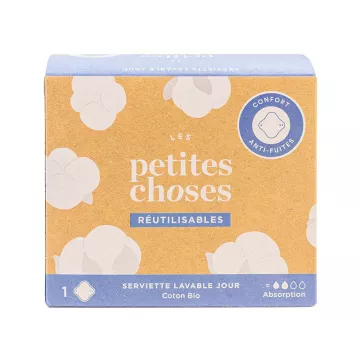
- Opt for reusable products: menstrual cups, period panties, and washable pads.
- Opt for pads certified as biodegradable or compostable.
- Choose brands certified by GOTS for cotton and FSC for packaging.
- Use biodegradable wipes for hygiene during changes rather than plastic-coated wipes.
Switching to reusable products also results in substantial savings over several years, without compromising on comfort or effectiveness.