0
Menu

Intimate Irritation: What Causes It, and What Can You Do to Relieve It?

Filter
Number of products : 13
Sort
Sort
Close
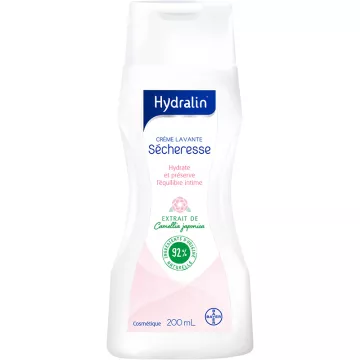
Hydralin Dry Skin Cleansing Cream 200 ml Hydralin Dry Skin Cleansing Cream 200 ml
200 ml 2x200 ml
€9.85
Add to cart
Shipped within 24h
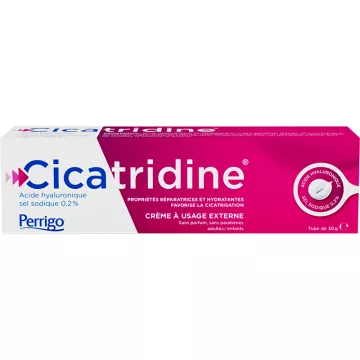
Cicatridine Hyaluronic Acid Repair Cream Cicatridine Hyaluronic Acid Repair Cream
€11.65
Shipped within 24h
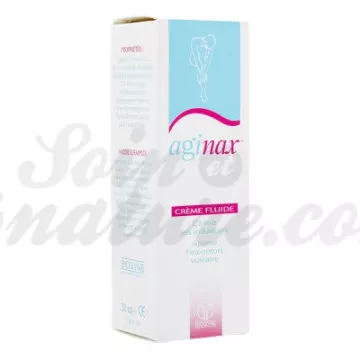
Aginax Crème Fluide Irritations Tube 30 ml Aginax Crème Fluide Irritations Tube 30 ml
€8.49
Shipped within 24h
Hydralin Gyn Soothing Cream-Gel Hydralin Gyn Soothing Cream-Gel
15 g 35 g
€7.60
Add to cart
Shipped within 24h
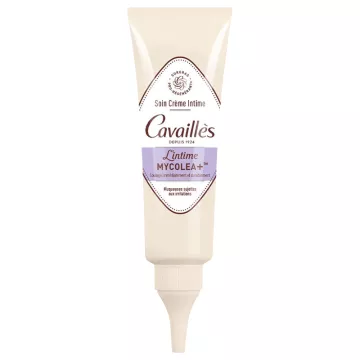
Cavaillès Mycolea+ Intimate Cream Care 50 ml Cavaillès Mycolea+ Intimate Cream Care 50 ml
€10.99
Shipped within 24h
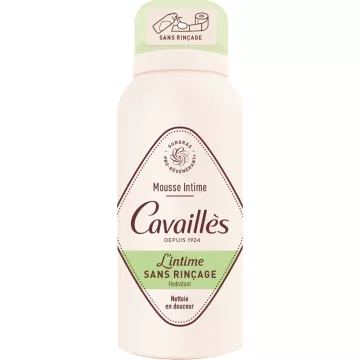
Cavaillès No-Rinse Moisturizing Intimate Foam 100 ml Cavaillès No-Rinse Moisturizing Intimate Foam 100 ml
€8.70
Shipped within 24h
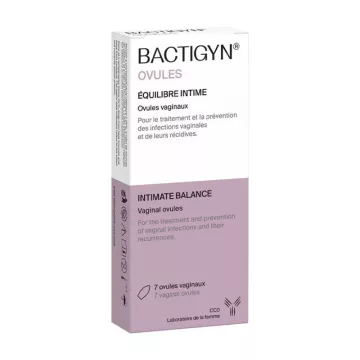
Bactigyn Ovule Intime Balance 7 ovules Bactigyn Ovule Intime Balance 7 ovules
€14.35
Shipped within 24h
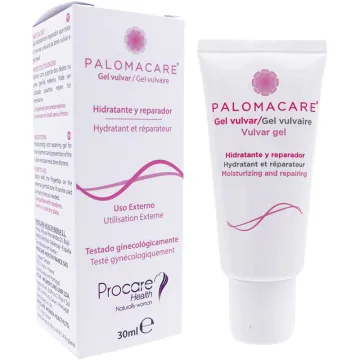
Palomacare Moisturizing & Repairing Vulvar Gel, 30 ml Palomacare Moisturizing & Repairing Vulvar Gel, 30 ml
€12.90
Shipped within 24h
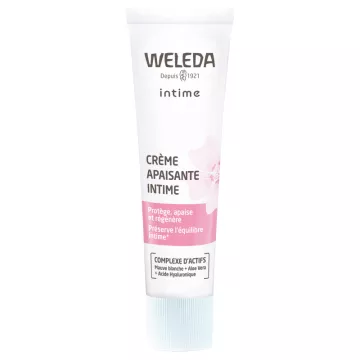
Weleda Soothing Intimate Cream 30 ml Weleda Soothing Intimate Cream 30 ml
€7.90
Shipped within 24h
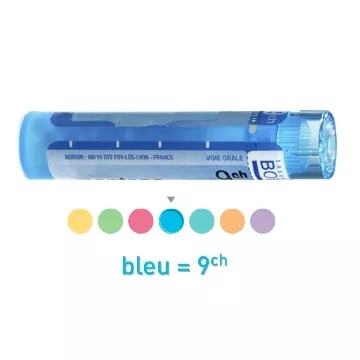
Gratiola Officinalis 5CH, 9CH, 15CH Granules by Boiron Homeopathy Gratiola Officinalis 5CH, 9CH, 15CH Granules by Boiron Homeopathy
5 C 9 C +
€2.99
Add to cart
In stock - preparation within 1 to 2 working days

What are the common causes of vaginal irritation?

Intimate irritation can have various causes, which must be identified in order to choose the appropriate treatment. The vulvar area, which is particularly thin and richly innervated, reacts quickly to both chemical and mechanical irritants. The main triggers are:

  • Fungal infections such as candidiasis, which are exacerbated by heat and moisture.
  • Bacterial infections, including bacterial vaginosis, which alter odor and discharge.
  • Scented products, alkaline soaps, and internal douches, which disrupt the protective pH balance.
  • Allergies to fabrics, laundry detergents, or fabric softeners, which can cause contactdermatitis.
  • Tight or synthetic clothing that traps heat and causes maceration.
  • Hormonal fluctuations due to the menstrual cycle, pregnancy, or menopause.

In both women and men, an isolated episode of discomfort is often benign, but its recurrence suggests an underlying imbalance that should be investigated. In men, irritation primarily affects the glans and foreskin and is often linked to poor hygiene, maceration, or an allergic reaction. Identifying the underlying cause is the first step before any treatment, as applying an inappropriate product can worsen the discomfort instead of relieving it.

How can you tell the difference between irritation and an infection?

Distinguishing between the two prevents misguided self-medication. Simple irritation is generally limited to redness and mild itching, without significant discharge, and improves within a few days once the triggering factor disappears. An infection, on the other hand, is accompanied by more pronounced signs:

  • Discharge that is unusual in color, texture, or amount.
  • An unpleasant and persistent odor.
  • A pronounced burning sensation, especially when urinating.
  • Pain that worsens rather than subsides.

If you experience these symptoms, a medical exam can confirm the nature of the condition and help determine the appropriate treatment. Discomfort that persists beyond a few days should never be ignored.

What hygiene practices can help prevent vaginal irritation?

Gentle hygiene remains the best prevention. The vagina is self-cleaning thanks to its natural flora: only external cleansing is necessary, once or twice a day at most. Here are some practical tips:

  • Use a fragrance-free cleanser with a balanced pH—neither too acidic nor too alkaline.
  • Rinse thoroughly to remove all product residue.
  • Dry thoroughly to prevent maceration.
  • Opt for cotton underwear and change it daily.
  • Avoid sprays, scented wipes, and colored toilet paper.

These habits preserve the natural protective barrier and significantly reduce the frequency of irritation.

What soothing remedies relieve intimate irritation?

For mild symptoms, several gentle solutions can ease discomfort until it subsides:

  • Aloe vera gel for its soothing and anti-inflammatory properties.
  • Warm sitz baths to relieve itching.
  • Emollient creams specifically formulated for the intimate area.
  • Topical applications of plain, unsweetened yogurt, for its probiotics.

These measures provide temporary relief but are not a substitute for treatment in cases of confirmed infection: a prescribed antifungal or antibacterial medication is then essential. Persistent or recurring itching always warrants a medical consultation before using any natural remedy for an extended period.

Does diet affect intimate irritation?

The balance of the vaginal flora also depends on your diet. Excessive sugar intake promotes the overgrowth of yeasts such as Candida and recurrent fungal infections. Conversely, a varied diet supports a protective microbiome:

  • Fruits, vegetables, and whole grains rich in fiber.
  • Fermented foods that provide live cultures.
  • Regular hydration to protect the mucous membranes.

Probiotics can complement this healthy lifestyle and help restore bacterial balance, especially after a course of antibiotics.

Can exercise worsen intimate irritation?

Physical activity is beneficial for overall health, but sweat and friction from workout clothes can irritate the delicate skin in the intimate area. The combination of heat, moisture, and friction creates an environment conducive to redness and microbial growth. A few simple precautions can help limit this risk:

  • Wear breathable technical fabrics rather than tight synthetic materials.
  • Remove damp clothing immediately after your workout.
  • Shower immediately after exercising with a mild cleanser.
  • Avoid using scented panty liners during exercise.

These steps are especially important for people with sensitive skin, whose skin barrier reacts more quickly to mechanical stress and heat. Making these habits part of your daily routine can significantly reduce the frequency of exercise-related skin irritation over the long term.