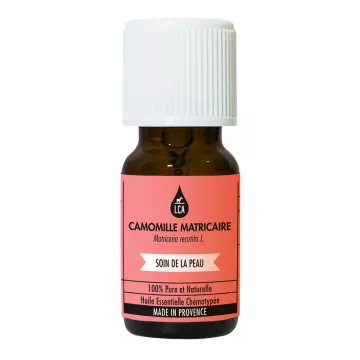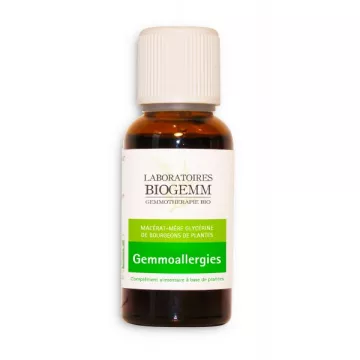

A skin allergy is an abnormal immune reaction of the skin to an allergen—it involves prior sensitization followed by a reaction upon subsequent exposure. The four main types are:
The common mechanism is mast cell degranulation, which releases histamine, leukotrienes, and pro-inflammatory cytokines—causing redness, itching, swelling, and blisters. Seasonal allergies and skin allergies often share the same atopic predisposition—a patient with a respiratory allergy has an increased risk of developing a skin allergy.
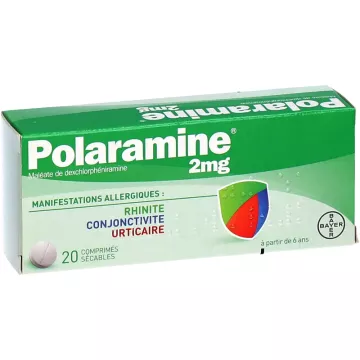
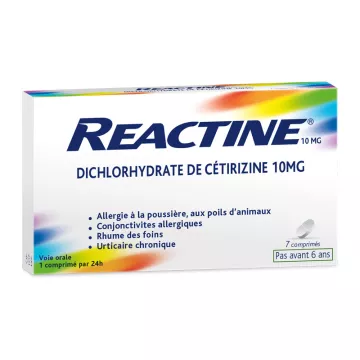
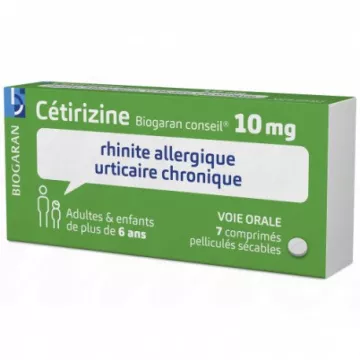
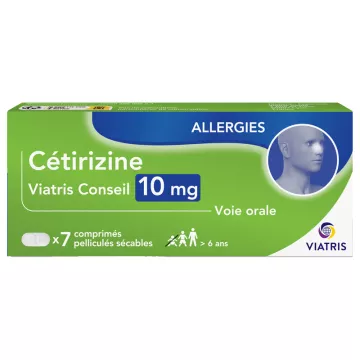
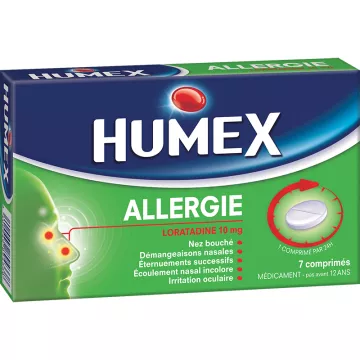
H1-antihistamines are the first-line treatment for IgE-mediated skin allergies (hives, acute contact dermatitis). Polaramine (dexchlorpheniramine, first generation) is sedating—it crosses the blood-brain barrier and is reserved for nocturnal pruritus or allergies that interfere with sleep. Cetirizine (Cetirizine 10 mg Mylan, Actifed Reactine, Drill Allergie, Biogaran) and loratadine (Humex Allergy Loratadine) are non-sedating second-generation antihistamines with a 24-hour duration of action. Cetirizine is slightly more sedating than loratadine at equivalent doses—loratadine is preferable for drivers and professionals who require maximum alertness.Garlic (Allium sativum) has natural anti-inflammatory and immunomodulatory effects that complement antihistamines for recurrent allergic conditions.
Homeopathy offers several approaches. Histaminum (200K, 1000K, Boiron) is the histamine nosode—used in high dilutions to desensitize the allergic constitution. Lehning 12 Sulfur is a homeopathic complex for chronic eczema (Sulfur + Graphites + Sepia) suitable for weeping and itchy eczema. Wild pansy (Viola tricolor, PhytoFrance EFG Bio) is the go-to herbal remedy for skin allergies—its flavonoids and salicylic acid derivatives have anti-inflammatory and soothing effects on dermatitis.Acerola (a naturally occurring, bioavailable form of vitamin C) strengthens immune tolerance and stabilizes mast cells—regular supplementation during high-risk periods is recommended.
Ribwort plantain (Plantago lanceolata) is a well-documented anti-allergic plant—its iridoids (aucubin, catalpol) and phenolic acids inhibit the release of histamine and reduce skin inflammation. It is suitable for mild contact dermatitis, reactions to insect bites, and chronic eczema.Rosehip (Rosa canina), rich in natural vitamin C and flavonoids, is an anti-allergic supplement often combined with ribwort plantain in herbal formulations designed to support the immune system and reduce skin hyperreactivity.
Allergic skin requires products formulated without the most common allergens (fragrances, MIT/CMIT preservatives, dyes, latex). Selection criteria include: fragrance-free, paraben-free, dermatologically tested, certified hypoallergenic, and with a physiological pH (4.5–5.5).Grapefruit seed extract (GSE) is a natural antibacterial preservative that effectively replaces synthetic, allergenic preservatives in natural skincare products for allergic skin. Sea buckthorn (Hippophae rhamnoides, carotenoids + vitamin E + omega-7) is a restorative and anti-inflammatory active ingredient suitable for allergic and atopic skin.
Diet plays a well-documented role in modulating skin allergy susceptibility. Omega-3 fatty acids (fatty fish, flaxseeds, nuts) reduce the production of pro-inflammatory mediators (PGE2, series-4 leukotrienes) that amplify allergic reactions—EPA/DHA supplementation can reduce the frequency and intensity of eczema flare-ups. Probiotics (Lactobacillus rhamnosus GG, L. reuteri) modulate the Th1/Th2 immune response and reduce allergic hyperreactivity in atopic children (clinical data). Vitamin D (often deficient in atopic patients) exerts an immunoregulatory effect on dendritic cells and regulatory T cells—supplementation is often recommended in the winter.Sea buckthorn (rich in vitamin C, carotenoids, and omega-7) is an anti-allergic superfood that promotes skin repair and is particularly beneficial for individuals with atopic conditions.