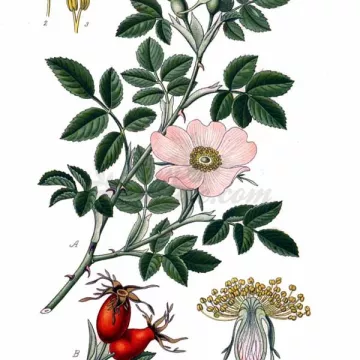
The dog rose (Rosa canina, wild rose) is a thorny shrub in the Rosaceae family, several parts of which are used in herbal medicine and gemmotherapy:
Eleutherococcus is an adaptogen often combined with wild rose in gemmotherapy to provide an immunity-vitality synergy in winter anti-infective formulas.
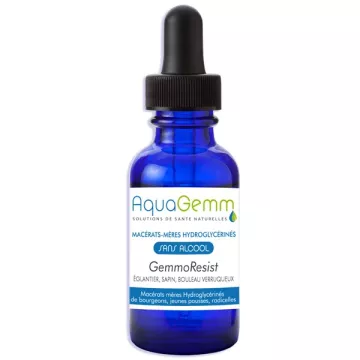
Rose hips contain a form of natural vitamin C that is particularly bioavailable (ascorbic acid + bioflavonoids + rutin), which strengthens the body’s natural defenses and contributes to collagen production (skin, cartilage, blood vessels). During the winter months, a rosehip regimen (capsules, herbal tea, standardized extract) provides natural and gradual immune support, particularly suitable for children and vulnerable individuals. The Gemmo Immuno Enfant (alder + rosehip + silver fir) and Gemmo Resist (fir + birch + rosehip) formulas harness the complementary anti-infectious properties of these buds to boost immunity.Astragalus (Astragalus membranaceus) is another immunostimulant plant traditionally combined with rosehip in advanced winter defense formulas.
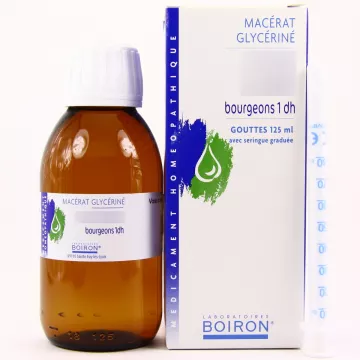
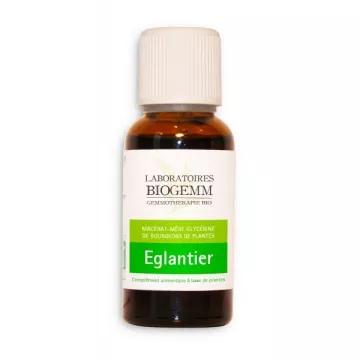
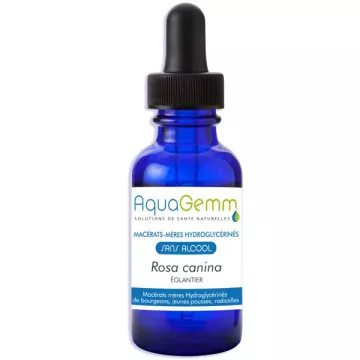
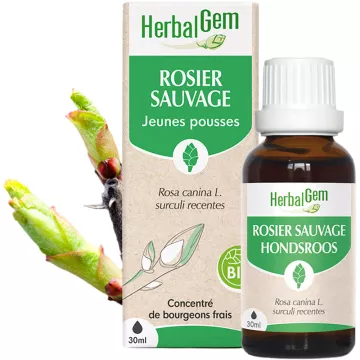
Wild rose bud macerate (Rosa canina 1DH) is one of the most commonly used gemmotherapy remedies for chronic joint pain and inflammatory rheumatism. Gemmotherapy harnesses the meristems (embryonic tissues of the buds, rich in growth factors, plant cytokines, and phytohormones), whose properties far exceed those of the mature parts of the plant. In gemmotherapy, wild rose exerts a versatile anti-inflammatory effect (on the joints, respiratory system, and skin) and stimulates the endogenous production of natural cortisol—a mechanism that explains its effectiveness in chronic inflammatory conditions. It is often prescribed as a 3-month maintenance regimen (20 to 30 drops in the morning on an empty stomach in a glass of water).
Rosehip extract is one of the best-documented herbal supplements for rheumatism and osteoarthritis. Several randomized clinical trials (including a 2012 meta-analysis) demonstrate a significant reduction in pain and improved joint mobility with standardized rosehip powder (2.5 g per day), particularly for osteoarthritis of the knee and hip. Its anti-inflammatory mechanisms involve the inhibition of proteases that break down the cartilage matrix, the reduction of pro-inflammatory cytokines (IL-1β, TNF-α), and its antioxidant activity (GOPO galactolipids, vitamin C, flavonoids). Red ginseng (ginsenosides Rg3 and Rb1) is a complementary adaptogen for people suffering from rheumatism associated with chronic fatigue.
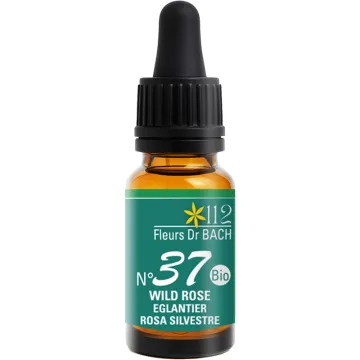
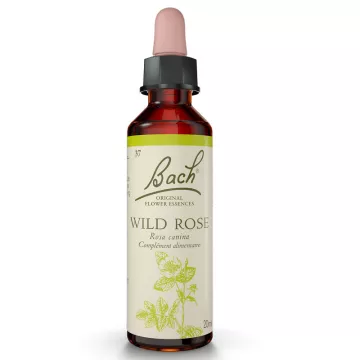
The Bach Flower Remedy Wild Rose (No. 37, Wild Rose) is recommended for states of resignation and chronic apathy—when a person has given up in the face of illness or a difficult situation and no longer seeks to change it. This emotional essence works to reactivate inner vitality, reconnect with the joy of living, and restore the motivation to take action. It is taken at a dose of 4 drops 4 times a day, either under the tongue or diluted in water, as a 3- to 4-week course of treatment. Bacopa (Bacopa monnieri, brahmi) is often combined with Bach Flowers in protocols for mental vitality—the combination of an emotional essence and an adaptogenic herb provides a holistic approach to low vitality.
Depending on the intended use, the dosage form of rosehip varies. For winter immunity and natural vitamin C: rose hips in capsules (500 mg to 2 g per day) or as a herbal tea (2 to 3 g of dried berries, steep for 10 minutes, 2 cups per day). For joint pain and anti-inflammatory effects: standardized rosehip powder (2.5 g per day, as a 3- to 4-month course) or bud macerate in gemmotherapy (20 to 30 drops in the morning on an empty stomach). For emotional well-being: Bach Flower Remedy Wild Rose (4 drops 4 times a day, for 3 to 4 weeks). The combination formulas Gemmo Immuno or Gemmo Resist (alder + fir + church tree buds) are suitable for general anti-infective use during the winter months in both children and adults.