What is red ginseng?
Red ginseng (Panax ginseng) is a medicinal plant native to East Asia, particularly Korea and China. Its root contains high concentrations of active compounds: ginsenosides (notably Rg1, Rb1, and Rg3), polysaccharides, panaxanes, and peptides.
Unlike white ginseng, which is obtained simply by drying, red ginseng undergoes a traditional steam-curing process (repeated steaming and drying) that alters its chemical profile and concentrates certain specific ginsenosides. This processing gives it a more invigorating and longer-lasting effect than white ginseng. For herbal medicine in general, additional resources are available.
What are the documented benefits?
Red ginseng is traditionally used to:
- Support energy and vitality in cases of prolonged physical or mental fatigue
- Improving cognitive performance (memory, concentration, alertness)
- Support the immune system, particularly during the winter months
- Support physical performance and athletic recovery
- Relieve stress-related fatigue through its adaptogenic effect
- Supports libido and intimacy in both men and women
- Support recovery from illness and periods of overexertion
The EMA recognizes its traditional use for symptoms of fatigue and weakness. For fatigue, memory, and libido in general, specific resources are available.
In what forms should it be used?
Several dosage forms allow for tailored use:
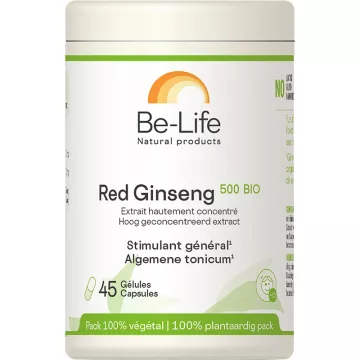
- Capsules of standardized ginsenosideextract: 200 to 600 mg/day, ideally in the morning and at lunch
- Root powder: 1 to 2 g per day, mixed into a beverage or yogurt
- Liquid extract or mother tincture: 30 to 50 drops per day, diluted
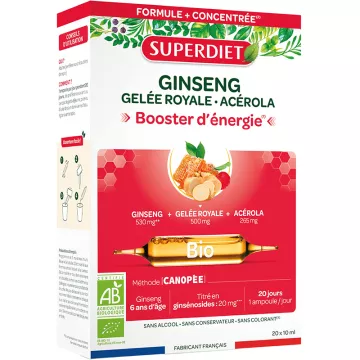
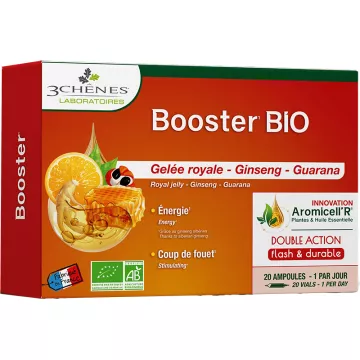
- Oral ampoules: a convenient form for a short revitalization regimen
- Whole root to chew or as a decoction: traditional Korean form, with gradual effects
- Adaptogenic combinations: red ginseng + rhodiola + maca + ashwagandha for a versatile effect
Choose a standardized extract containing 4–7% ginsenosides, certified as Korean or Chinese in origin. A typical course of treatment lasts 4 to 8 weeks, followed by a break of at least 1 month. Never take it late in the day to avoid disrupting sleep. For rhodiola and maca in general, specific resources are available.
When should you consider it?
There are several situations in which a red ginseng regimen is appropriate:
- Winter regimens to support immunity and energy
- Recovery from illness, surgery, or a period of exhaustion
- Periods of work, academic, or emotionaloverload
- Aging: maintaining cognitive function and vitality in active seniors
- Intense athletic training: support for endurance and recovery
- Decreased libido due to fatigue or stress, as advised by a professional
Specific resources are available to boost natural immunity, mental focus, and overallendurance.
What precautions should be taken?
Red ginseng is a potent herb that requires caution:
- Pregnancy and breastfeeding: use is contraindicated
- Children and adolescents: not recommended for use before age 18
- Uncontrolledhigh blood pressure: prior medical consultation required
- Heart conditions, arrhythmias: consult a doctor
- Diabetes under treatment: monitor blood sugar levels (may cause hypoglycemia)
- Hormone-dependent cancers: use with caution; consult a doctor
- Anticoagulant treatments (particularly warfarin) and antiplatelet agents: documented interactions; medical consultation required
- MAOI antidepressants and central nervous system stimulants: avoid
- Autoimmune diseases: use with caution (immunostimulatory effect)
- Surgery: Discontinue use 2 weeks before the procedure
- Possibleside effects at high doses: insomnia, nervousness, palpitations, headaches, digestive problems
- Do not take at the end of the day to ensure a good night’s sleep
In cases of persistent fatigue, significant cognitive impairment, or prolonged loss of energy, a medical consultation is necessary to identify the causes (anemia, thyroid issues, depression, sleep disorders). Your pharmacist remains a valuable resource for guiding you in choosing a high-quality standardized ginseng product, checking for drug interactions, and supporting your treatment regimen, in addition to appropriate medical follow-up. Specific resources are available for managing stress in general.