What is libido, and what are its biological determinants?
Libido refers to all manifestations of sexual desire. It is regulated by a multi-level system:
- Hormonal axis: testosterone (basic desire), estrogens (sensitivity and receptivity), prolactin (inhibitory at high levels).
- Neurotransmitters: dopamine (motivation and anticipatory desire), serotonin (mood), norepinephrine (arousal and sensory responsiveness).
- HPA axis: Chronic cortisol is the main inhibitor of libido—it competes with testosterone for pregnenolone and inhibits the dopaminergic response to desire.
- Micronutrients: zinc, magnesium, selenium, vitamin D3, and B vitamins are essential cofactors for hormonal biosynthesis and the neurotransmission of desire.
Do oats boost libido by releasing testosterone?
Oats (Avena sativa) are a little-known plant, but their effect on libido has been well documented. Their avenacosides (steroidal saponins) bind to SHBG in competition with testosterone, thereby releasing more bioavailable free testosterone. Preliminary studies show a 27% increase in free testosterone after 8 weeks in men with low libido. Its aqueous extract also inhibits phosphodiesterase type 4 (PDE4) in limbic neurons—amplifying the dopaminergic response to sexual desire.
Does pomegranate boost libido through its polyphenols?
The pomegranate (Punica granatum) is rich in ellagitannins (punicalagins) that are converted into urolithins by the gut microbiota. Its effect on libido:
- Aromatase inhibition: ellagitannins reduce the conversion of testosterone to estradiol, increasing testosterone levels.
- Improved erectile blood flow: its polyphenols increase the bioavailability of endothelial NO. A randomized study (Forest, 2007) showed improved erectile function and libido scores after 4 weeks of pomegranate juice consumption.
- A 24% reduction in salivary cortisol after 2 weeks—an indirect mechanism for releasing libido suppressed by stress.
Does chlorella improve libido through detoxification?
Chlorella (Chlorella vulgaris) is a freshwater microalga rich in micronutrients—zinc, magnesium, iron, selenium, and vitamins B12, B9, and D. It provides, from a single source, all the cofactors necessary for hormonal biosynthesis and the neurotransmission of sexual desire. Its chlorophyllin reduces heavy metal burden (lead, cadmium, mercury), which inhibits testicular and ovarian steroidogenesis—a little-known accumulation that can contribute to chronic low libido. Studies on heavy metal detoxification show an improvement in vitality and libido after correcting this overload.
Do saffron and ginseng affect libido?
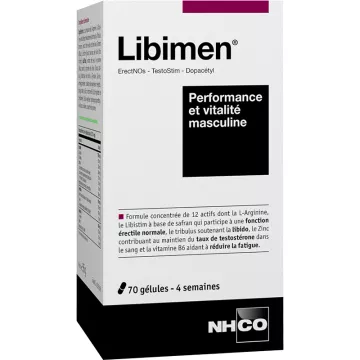
Two active ingredients with complementary mechanisms that address both hormonal and psychological aspects:
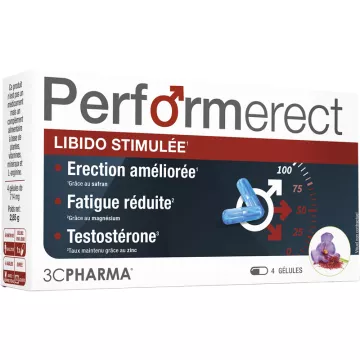
- Saffron (30 mg/day): inhibits the reuptake of serotonin, dopamine, and norepinephrine, rebalancing the neurotransmission involved in desire. Randomized trials confirm its effectiveness on libido and sexual satisfaction in both men and women. Contraindicated during pregnancy and when taking SSRIs without medical advice.
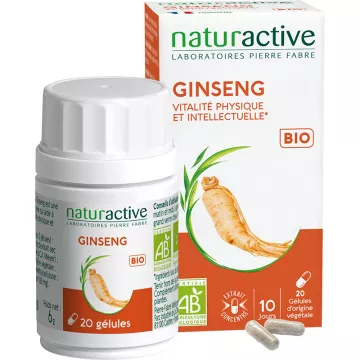
- Ginseng (Panax ginseng, 200 to 400 mg/day): Its ginsenosides stimulate nitric oxide (NO) production (erection, lubrication) and testicular steroidogenesis. Meta-analyses confirm an improvement in sexual desire and satisfaction in both men and women after 8 weeks.
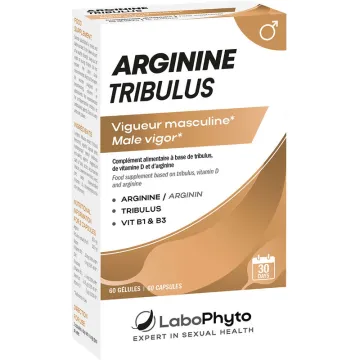
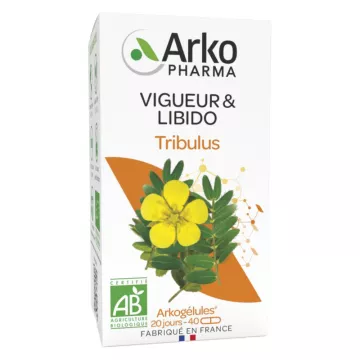
Does Tribulus terrestris stimulate libido by increasing LH?
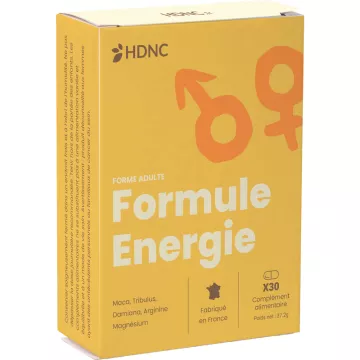
Tribulus terrestris (protodioscin saponins, 750 to 1,500 mg/day) stimulates the release of LH (luteinizing hormone) by the pituitary gland, increasing natural testosterone production without inhibiting endogenous production. Clinical studies in men and women with low libido show improvements in desire, arousal, and satisfaction after 8 to 12 weeks. Precaution: Not recommended for individuals with prostate disorders, hormone-dependent cancers, or during pregnancy.