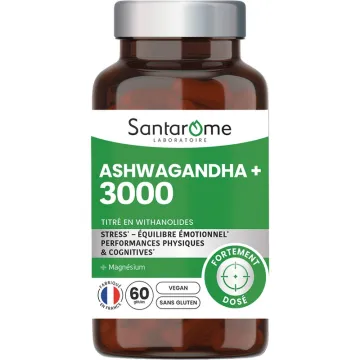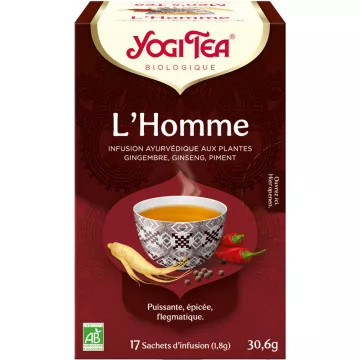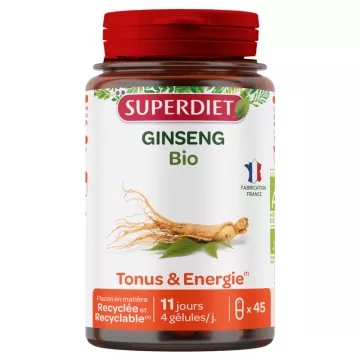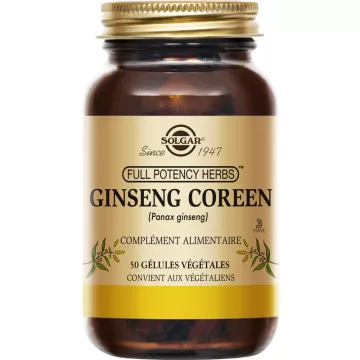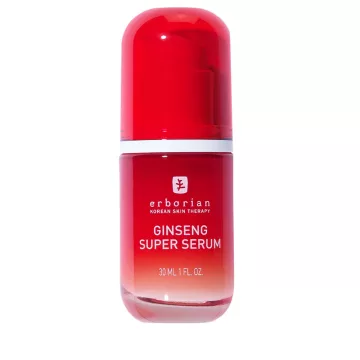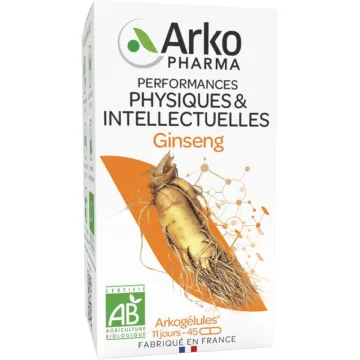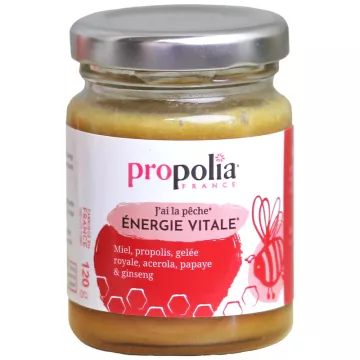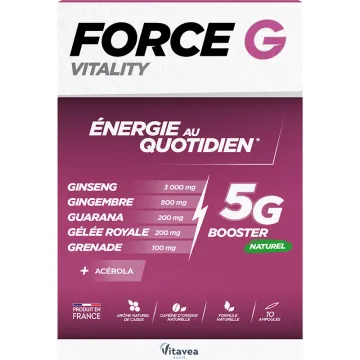
Ginseng is a medicinal root native to Northeast Asia that has been cultivated and used for over two thousand years in Chinese and Korean medicine. Two varieties dominate the market: Panax ginseng, known as Asian ginseng, and Panax quinquefolius, or American ginseng. Its fleshy root contains specific active compounds, called ginsenosides, which define the plant’s phytochemical identity. To explore other plants that combat fatigue, broaden your knowledge of natural tonics.
Classified as an adaptogenic plant, ginseng helps the body better withstand physical, mental, and environmental stress. Traditionally, it supports overall vitality, resistance to temporary fatigue, and mental clarity. Users also appreciate it for its overall invigorating effect. To understand how these plants fit into a daily routine, check out our guide on boosting energy and vitality.
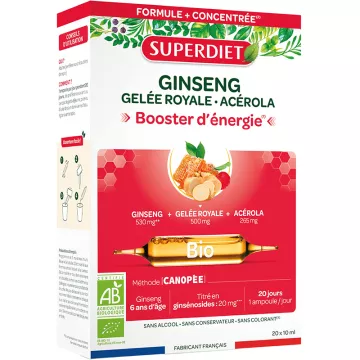
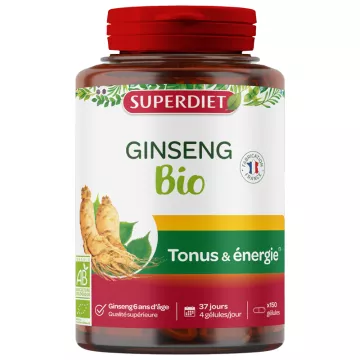
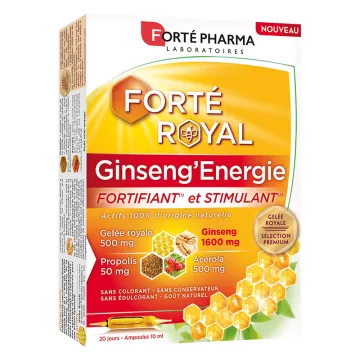
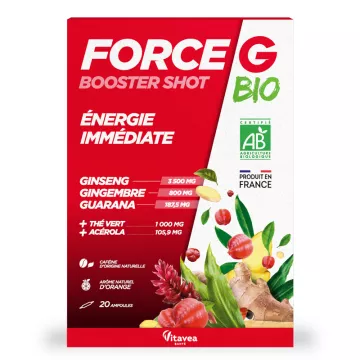
Ginseng is taken in the form of capsules, tablets, oral ampoules, powder, or mother tincture, depending on the chosen formulation. A course of treatment generally lasts three to four weeks, taken in the morning or early afternoon to avoid interfering with sleep. Dietary supplements for energy and vitality offer standardized dosages of ginsenosides. Professional advice is still recommended if you are currently undergoing medical treatment.
Ginseng supports the body’s immune system thanks to its ginsenosides, which modulate the activity of immune cells. This effect makes it similar to other adaptogens such asastragalus, traditionally known for its effect on the body’s natural defenses. To learn more, discover our solutions for naturally boosting immunity or explore our herbal remedies for immune support.
Popular among athletes, ginseng supports sustained physical effort, boosts endurance, and promotes recovery between workouts. It fits well into a comprehensive regimen alongside other supplements like rhodiola oreleuthero. If you’re looking to structure your program, check out the endurance and sports recovery sections.
While generally well-tolerated by most healthy adults, ginseng may cause side effects in some people, including nervousness, sleep disturbances, headaches, high blood pressure, or digestive issues. These reactions warrant stopping the treatment, and if they persist, you should consult a healthcare provider. To maintain good sleep quality, avoid taking it late in the day.
Ginseng is not suitable for pregnant or breastfeeding women, children, or people with uncontrolledhigh blood pressure, uncontrolled diabetes, bleeding disorders, or hormone-dependent conditions. Any concurrent use of anticoagulants, antidiabetics, antihypertensives, or antidepressants requires prior medical advice. The rule “natural does not mean harmless” applies fully.
Both roots belong to the Panax family but differ in their ginsenoside profiles. Asian ginseng (Panax ginseng) has a more stimulating and invigorating effect and is traditionally used to treat severe fatigue. American ginseng (Panax quinquefolius) has a milder, more soothing profile, better suited for nervous or stressed individuals. In this regard, it is similar to plants like griffonia in its regulatory effects.
Like all adaptogens, ginseng modulates the stress response by acting on the hypothalamic-pituitary-adrenal axis. It supports individuals during periods of mental strain and overwork without causing significant sedation. For a holistic approach, explore our pages dedicated to stress andanxiety, as well as our selection of stress and herbal remedies. In cases of persistent or severe symptoms, medical advice is essential.
The quality of ginseng depends on three criteria: the age of the root (ideally six years), the guaranteed total ginsenoside content (often expressed as a percentage), and the traceability of its origin (Korea, China, Canada). Opt for standardized extracts and certified origin labels. For a comprehensive approach, compare it with other leading tonics such as maca or moringa.
Several studies suggest significant cognitive benefits: improved working memory, alertness, and sustained concentration. Ginseng is an effective aid during exam periods, times of high mental stress, or intellectual overexertion. Other herbs complement it well, particularly bacopa, which is traditionally associated with memory function. Also check out our pages on memory and mental focus.
Although they come from the same root, these two forms differ in how they’re processed. White ginseng is obtained simply by drying. Red ginseng is steamed before drying, a step that alters its ginsenoside profile and concentrates certain active compounds. Red ginseng is thus considered the more invigorating of the two. Learn more on our page dedicated to red ginseng.
Research is exploringthe effect of ginseng on microcirculation, insulin sensitivity, and certain lipid parameters. The data are still limited and do not support the use of this plant as a therapeutic treatment. In cases of confirmed cardiovascular disease, blood pressure and cholesterol levels require medical monitoring. Ginseng should never be used as a substitute for prescribed treatment.
Chronic overwork, burnout, and persistent asthenia find long-term allies in adaptogens. Ginseng supports the recovery phase, alongside essential practices such as rest, moderate physical activity, and psychological support if needed. To understand the variety of asthenia conditions, see our pages on chronic fatigue, emotional fatigue, and mental fatigue. Established burnout always requires medical supervision.
Ginseng may interact with several classes of medications: anticoagulants (warfarin), oral antidiabetics and insulin, antihypertensives, MAOIs and certain antidepressants, immunosuppressants, and stimulants. It may also alter the effects of certain supplements, such as ginkgo biloba or caffeine. Before combining ginseng with any other products, always consult a healthcare professional. For a tonic supplement with no known interactions, tribulus terrestris may be an alternative depending on your individual profile.