What is moringa?
Moringa (Moringa oleifera) is a tree native to India and Africa, nicknamed the “tree of life” for its exceptional nutritional density. Its leaves, seeds, flowers, and bark have been used for centuries in traditional Ayurvedic and African medicine.
Considered a superfood, moringa is known for being rich in protein, vitamins (A, C, E, K, B), minerals (calcium, iron, magnesium, potassium), essential amino acids, and antioxidants. This concentration explains its humanitarian use in the fight against malnutrition in certain regions of the world. For herbal medicine in general, additional resources are available.
What are its nutritional benefits?
Moringa offers remarkable nutritional density:
- Vitamin C: 7 times more than oranges (weight for weight in fresh leaves)
- Calcium: 4 times more than milk
- Iron: 3 times more than spinach
- Protein: 2 times more than yogurt, containing all 9 essential amino acids
- Vitamin A: 4 times more than carrots
- Potassium: 3 times more than a banana
- Antioxidants: polyphenols, flavonoids, and isothiocyanates with documented protective effects
These values are theoretical and depend on the plant’s origin, cultivation, and processing. For vitamin C and iron in general, specific resources are available.
What are its traditional uses?
Moringa is traditionally used to:
- Support overall vitality in cases of fatigue, convalescence, or overexertion
- Strengthen the body’s natural defenses thanks to its high concentration of vitamins and trace minerals
- Supplementing a diet lacking in certain nutrients (mild anemia, restrictive diets)
- Support joint comfort thanks to its antioxidants
- Support athletes and periods of prolonged physical exertion
- Supports skin, hair, and nails through its supply of vitamins and amino acids
For fatigue and to boost natural immunity in general, specific resources are available.
How should it be consumed?
Moringa is available in several forms:
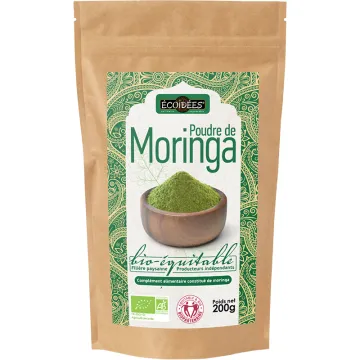
- Dried leaf powder: 1 to 3 teaspoons per day mixed into yogurt, soups, smoothies, compotes, or juices (has a strong plant-based flavor)
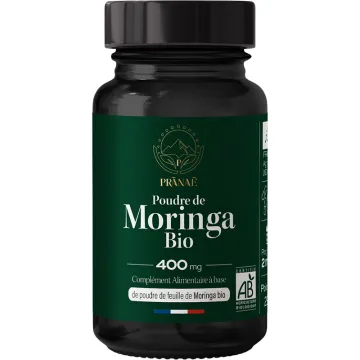
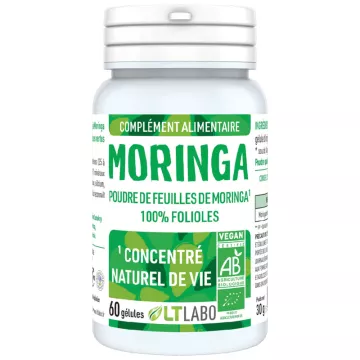
- Capsules: 2 to 4 per day depending on concentration; convenient dosage for a course of treatment
- Leaf tea: 1 teaspoon per 250 ml of simmering water, steep for 10 minutes; pleasant when combined with ginger or lemon
- Seed oil (behen): used in cosmetics for skin and hair
- Fresh leaves in cooking (salads, stews) in regions where the plant is cultivated
A typical course of treatment lasts 1 to 3 months, ideally combined with other superfoods (spirulina, chlorella) to vary nutrient intake. Quality depends on the source: choose certified organic products, ideally from fair-trade sources. For spirulina and magnesium in general, specific resources are available.