A mainstay of traditional Chinese medicine for centuries,astragalus is now gaining popularity for its immunostimulatory, adaptogenic, and antioxidant properties. Here’s an overview of this root, which has been embraced by herbal medicine enthusiasts.
What is astragalus, and where does it come from?
Astragalus (Astragalus membranaceus) belongs to the Fabaceae family and grows primarily in Northeast Asia, particularly in China, Mongolia, and Korea. Its root, traditionally harvested after four to seven years of cultivation, contains characteristic active compounds: polysaccharides, saponins (astragalosides), and flavonoids. This synergy underpins its effects on stimulating the body’s natural defenses and promoting overall vitality.
What are the health benefits of astragalus?
This adaptogenic root acts on several levels:
- supporting the immune system (through the action of polysaccharides on white blood cells);
- strengthens the body’s resistance to colds and winter infections;
- provides antioxidant activity against oxidative stress and cellular aging;
- supports liver function and the body’s detoxification processes;
- aids in convalescence and recovery after physical exertion.
It naturally belongs to the family of adaptogens alongside ginseng andeleuthero.
How should astragalus be taken, and at what dosage?
Several forms are available depending on your preference:
- powder: to be mixed into juice, a smoothie, or fruit compote;
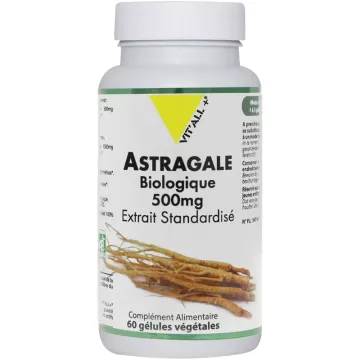
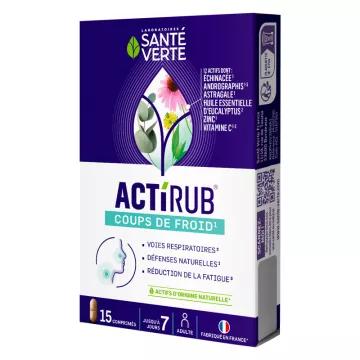
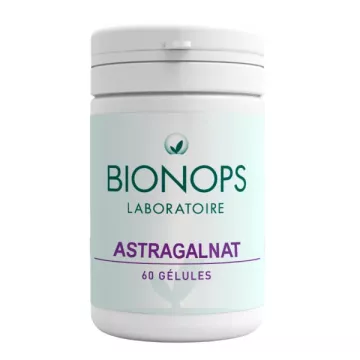
- capsules or tablets: convenient for a targeted treatment regimen;
- root decoction: boil for 15 to 20 minutes to extract the active ingredients;
- mother tincture: a concentrated form to be diluted in a glass of water.
The usual dosage ranges from 500 mg to 2 g of standardized extract per day, to be adjusted according to the product’s polysaccharide concentration. One dose in the morning and one at lunchtime is generally recommended.
What are the contraindications for astragalus?
Although generally well tolerated, astragalus requires several precautions for use:
- autoimmune diseases (multiple sclerosis, lupus, rheumatoid arthritis): use is not recommended due to its immunostimulatory effect;
- immunosuppressive treatments (transplants, biologics): possible adverse interactions;
- pregnancy and breastfeeding: insufficient data; abstention is preferable;
- Children under 12 years of age: do not use without medical advice;
- Rare side effects at high doses: bloating, loose stools, allergic skin reactions.
If you are currently undergoing any medical treatment, consult a healthcare professional before starting a course of treatment.
Can astragalus help with seasonal prevention?
Yes, astragalus is widely used at the start of fall to prepare the body for the cold season. It is particularly recommended for:
- people prone to repeated ENT infections (prevention of colds and the flu);
- periods of chronic fatigue and intense oxidative stress;
- athletes in recovery or undergoing high-intensity training;
- seniors looking to support their daily vitality.
To learn more, explore our pages on boosting natural immunity and our selection of immune support products—herbal medicine.
When is the best time to take astragalus?
Astragalus is suitable for several strategic times of year:
- in the fall and winter, to prepare the body for winter ailments;
- during periods of prolonged stress or overexertion, as a general support regimen;
- after an infection or intense physical exertion, to promote recovery.
A 6- to 8-week course is generally sufficient to feel the effects on the body, with a break of at least two weeks before repeating the course.
How to Choose a High-Quality Astragalus?
The quality of an astragalus extract is determined by several technical criteria:
- standardization for polysaccharides and astragalosides (levels listed on the label);
- traceable origin (Mongolia, Northern China, Korea) and preferably organic cultivation;
- absence of additives, colorants, and controversial excipients;
- mature root (ideally four to six years old) to ensure a high concentration of active ingredients;
- a brand recognized for its expertise in herbal medicine.
To round out your tonic regimen, also explore rhodiola and our “Tonic, Vitality, and Fatigue” section.